Counting the waves…
Counting the waves…
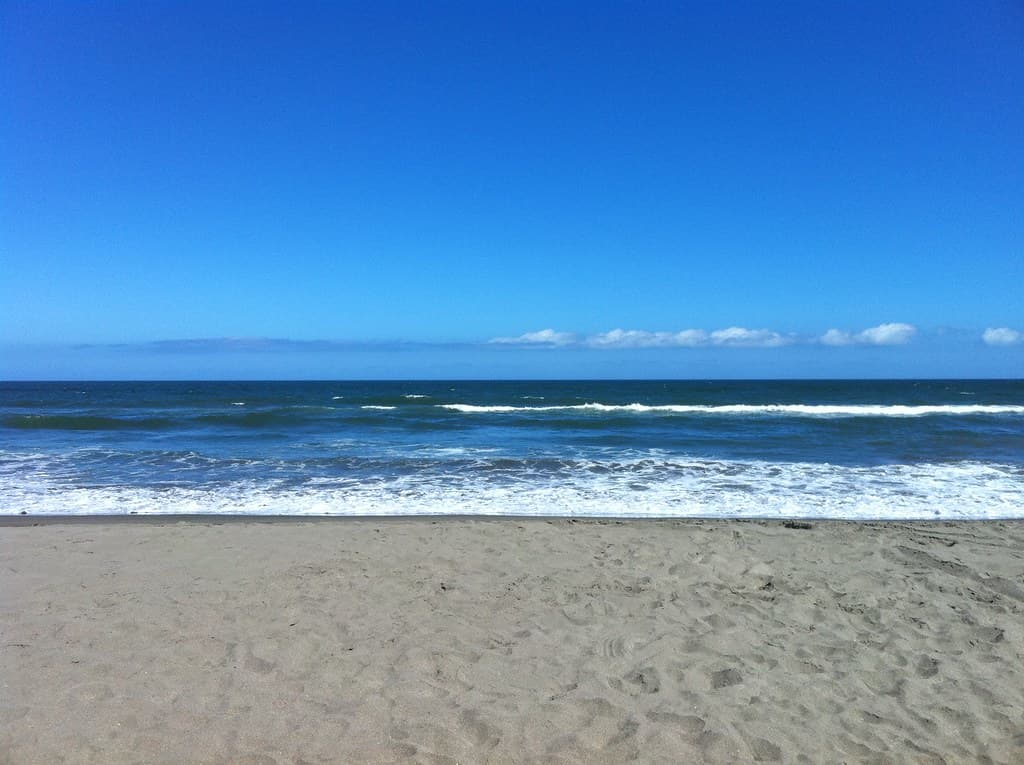
Tucked away from the more frequented shores, Sakuta Beach presents a serene escape for those seeking quiet contemplation and unhurried moments. The broad expanse of sand, kissed by the Pacific, offers ample space for families to spread out, children to build sandcastles, and sunbathers to soak in the warmth without interruption. Here, the soundtrack is purely natural: the whisper of the wind, the rustle of the dunes, and the rhythmic crash of the surf. Unlike its more boisterous neighbors, Sakuta retains a charmingly undeveloped character. There are no bustling promenades or rows of souvenir shops; instead, you'll find a raw, authentic coastline where the natural beauty takes center stage. This low-key atmosphere makes it an ideal spot for an afternoon picnic, a leisurely stroll at sunset, or simply unwinding with a good book. Embrace the opportunity to connect with the genuine spirit of the Kujūkuri Coast. Sakuta Beach is a testament to the understated allure of Japan's lesser-known coastal gems, offering a peaceful retreat where memories are made against a backdrop of endless sky and shimmering ocean.
Places, rentals, tours and events within walking and driving distance of Sakuta Beach.
Photos
Sakuta Beach generally offers calm conditions suitable for families with children, though ocean conditions vary by day and season. The beach has gentle slopes and typically moderate waves during summer months. Lifeguards are usually present during peak season (July-August), but coverage may be limited outside these times. Always check local weather and wave conditions before swimming. Supervise children closely, as currents can develop. The beach's local, less-crowded nature means fewer facilities, so bring your own safety equipment if needed.
Visit Sakuta Beach during weekdays from May to June or September to early October for the quietest experience. The beach is naturally less crowded year-round compared to famous Chiba beaches, but Japanese holidays and summer weekends (July-August) bring more visitors. Early mornings before 10am offer peaceful conditions even in peak season. Off-season months (November-April) provide solitude but cooler weather and water temperatures. Spring and autumn combine pleasant weather with minimal crowds, ideal for sunbathing and relaxed beach walks.
From Tokyo, take the JR Sotobo Line to Togane Station (approximately 70-90 minutes), then catch a local bus toward Kujūkuri beaches or taxi (about 15-20 minutes). Alternatively, drive via the Higashi-Kanto Expressway to Togane IC, then follow Route 126 toward the coast (total driving time roughly 90 minutes). Rental cars offer the most flexibility for exploring Kujūkuri's beaches. Bus services may be infrequent, especially off-season, so check schedules in advance or consider taxi options from Togane Station.
Sakuta Beach has limited beachfront facilities, reflecting its local character. Small family-run restaurants and convenience stores are scattered throughout nearby Kujūkuri town, typically serving fresh seafood and Japanese staples. For accommodation, look for minshuku (Japanese guesthouses) and small hotels within Kujūkuri, offering traditional hospitality. Larger hotel options are available in neighboring towns along the coast. Many visitors stay in Togane or other Kujūkuri Coast towns. Consider bringing snacks and drinks, especially during quieter periods when nearby facilities may have limited hours.
Sakuta Beach stands out for its authentically local atmosphere, attracting primarily Japanese residents rather than international tourists or surf crowds. The beach maintains a low-key, undeveloped character with minimal commercial infrastructure, offering a genuine slice of local beach life. It's particularly suitable for families seeking a quiet day of sunbathing and gentle swimming without the bustling energy of surf hotspots. The absence of major development means more natural scenery and space to relax. This makes it ideal for travelers wanting to experience how local Chiba residents enjoy their coastline.