Counting the waves…
Counting the waves…

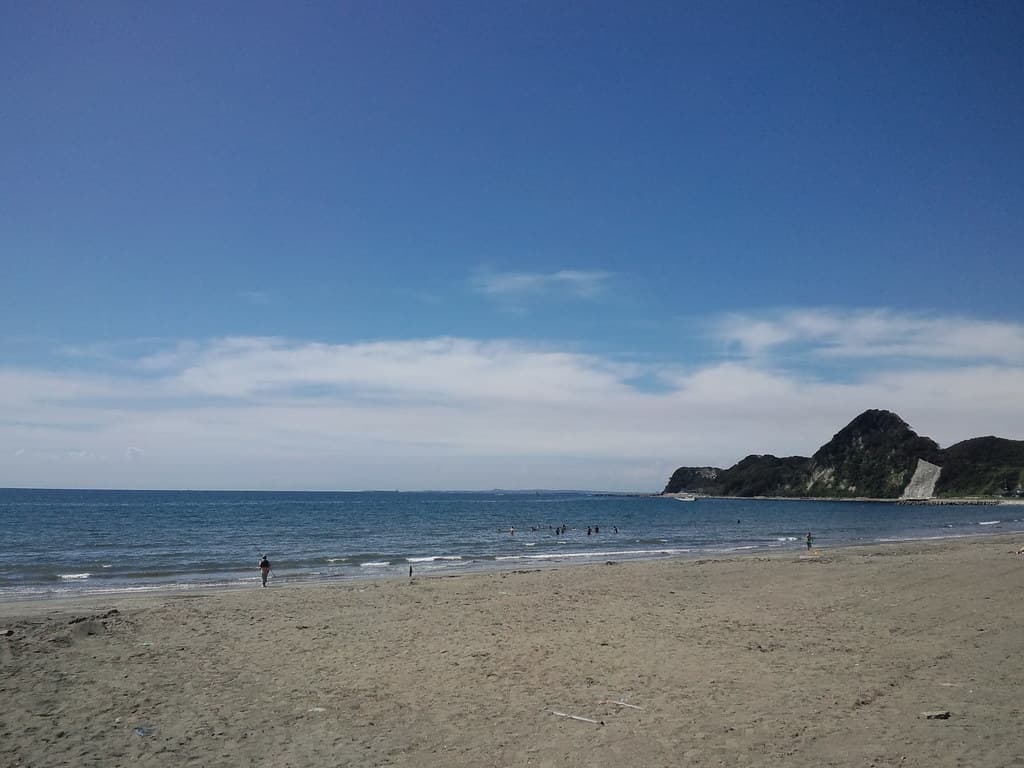
The sand at Iwai Beach slopes so gently into the Pacific that toddlers can wade out twenty paces and still touch bottom. This is swimming stripped of drama: no crashing surf, no sudden drop-offs, just a wide arc of beige sand curving between two wooded headlands where the water stays as placid as a lake. Families spread picnic blankets under the pines that fringe the upper beach, their needles releasing a sharp, resinous scent in the midday heat. Come evening, the beach empties out. The few remaining visitors gather near the western end, where the sun drops behind the dark pyramid of Mount Fuji, turning the sky tangerine and rose. The water reflects the colors like brushed metal, and you can walk the tideline collecting small shells—tiny turbans and moon snails—while the air cools and cicadas begin their electric thrum in the trees behind you. Iwai lacks the polish of resort beaches. A handful of weathered minshuku sit across the coast road, their proprietors hanging laundry on second-floor balconies. A convenience store sells onigiri and cold barley tea. Surfers bypass this stretch entirely, heading for breaks farther south. That neglect is precisely what keeps Iwai gentle: a place where ankle-deep water and unobstructed horizons matter more than amenities or crowds.
Places, rentals, tours and events within walking and driving distance of Iwai Beach.
Photos
Yes, Iwai Beach is considered excellent for families with children due to its calm, shallow waters and gentle waves. The beach is protected from strong currents, making it safer than many Pacific-facing beaches. During summer (July-August), lifeguards are typically on duty at designated swimming areas. The gradual slope allows children to wade comfortably, and the relatively warm water temperature is pleasant for extended swimming. However, always supervise children near water, check daily conditions, and swim only in designated areas. Jellyfish can occasionally appear in late summer, so check local advisories before entering the water.
Visit during weekdays in June or September to enjoy fewer crowds while still having decent weather. The official swimming season runs July-August when the beach is busiest, especially on weekends and holidays. Early mornings and late afternoons, even in peak season, are quieter. Spring (April-May) and autumn (September-October) offer pleasant weather for beach walks and sunset viewing without the summer crowds, though swimming may be cooler. Winter months are very quiet but cold. Sunset viewing is popular year-round but less crowded on weekdays. Avoid Japanese national holidays when domestic tourism peaks.
From Tokyo, take the JR Uchibo Line from Tokyo or Chiba Station to Iwai Station (approximately 2 hours by limited express, 2.5-3 hours by local train). The beach is about 10-15 minutes walk from Iwai Station. By car, take the Tokyo Bay Aqua-Line and Tateyama Expressway, then follow Route 127 south to Minamibōsō (approximately 90 minutes from central Tokyo depending on traffic). Highway buses run from Tokyo Station and Chiba Station to the Minamibōsō area. Rental cars are available at major stations for exploring multiple beaches along the peninsula.
Iwai Beach has several beachfront guesthouses, minshuku (family-run inns), and small hotels offering ocean views and fresh seafood meals. Many accommodations include dinner featuring local catches like horse mackerel, spiny lobster, and abalone depending on season. Beach houses (umi no ie) operate during summer serving grilled seafood, yakisoba, and beach snacks. The nearby Iwai Station area has restaurants, convenience stores, and small supermarkets. For more dining variety, the broader Minamibōsō area offers numerous seafood restaurants. Booking accommodation in advance is essential during peak summer season and weekends.
Iwai Beach faces west across Tokyo Bay toward Mount Fuji, creating spectacular sunset views, especially on clear days when Fuji's silhouette appears on the horizon. The combination of calm waters, mountain backdrop, and colorful evening skies makes it particularly photogenic. Winter months (November-February) offer the clearest Fuji views, though spring and autumn also provide good visibility. The shallow, reflective water surface creates beautiful mirror effects during sunset. The beach's orientation and the bay's protected waters mean gentle waves that enhance rather than obscure the sunset reflections, making it a favorite spot for photographers and romantic evening walks.