Counting the waves…
Counting the waves…
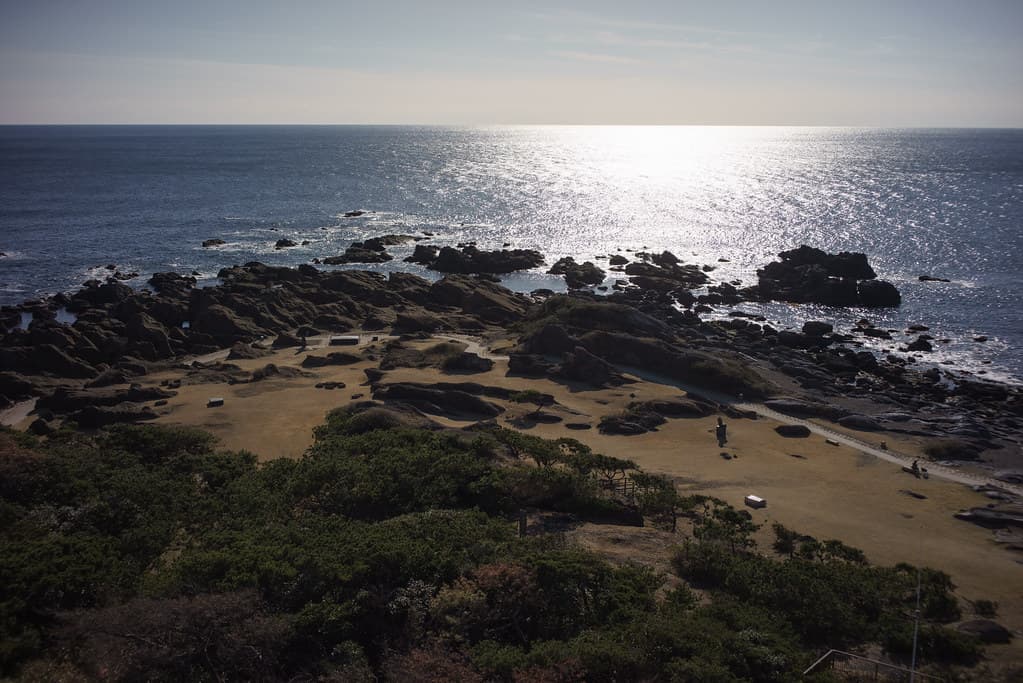
Koura Beach is a testament to the raw, untamed beauty of the Minamibōsō coastline. Here, the shore is not defined by sand, but by an intricate landscape of ancient, water-smoothed rocks and dramatic formations. As the tide recedes, it exposes a network of crystal-clear tide pools, each a miniature aquarium teeming with small fish, crabs, and anemones, inviting curious exploration. The water at Koura is renowned for its exceptional clarity, a vibrant emerald and sapphire that promises excellent visibility for snorkeling. Don a mask and fins, and you'll be greeted by a vibrant underwater world: schools of silver fish darting through kelp forests, colorful corals clinging to submerged rocks, and perhaps even a shy octopus peeking from its rocky crevice. The marine biodiversity here is a living spectacle. This rocky haven is perfect for those who seek an active engagement with nature rather than passive sunbathing. It's a place to clamber over sun-warmed stones, discover hidden nooks, and immerse yourself in the cool, invigorating ocean. Koura Beach offers a sensory feast, from the briny scent of the sea to the tactile sensation of smooth, wet rock underfoot, making every visit a unique adventure into the wild heart of the coast.
Places, rentals, tours and events within walking and driving distance of Koura Beach.
Photos
Koura Beach requires caution for both swimming and snorkeling due to its rocky nature and potential for currents. The clear water and marine life make it attractive for snorkeling, but sharp rocks and uneven surfaces pose hazards. Proper water shoes are essential. There are typically no lifeguards, so visitors must independently assess conditions. Best suited for experienced swimmers and snorkelers during calm weather and moderate tides. Check weather forecasts and tide tables before visiting. Never snorkel alone, stay aware of currents, and avoid going too far from shore. The rocky coastline can make entry and exit challenging, requiring careful navigation.
The best snorkeling conditions typically occur from June through September when water temperatures are warmest and visibility is often clearest. Early morning on calm days provides the best underwater visibility before winds pick up. Visit during moderate to low tide for safer access to tide pools and rocky areas where marine life congregates. Avoid periods following heavy rains, which can reduce water clarity. Weekdays see fewer visitors, providing a more peaceful experience. Summer months offer comfortable water temperatures but check for jellyfish advisories. Spring and early autumn can also provide good conditions for confident snorkelers with wetsuits, with the benefit of fewer crowds.
Koura Beach is most easily reached by car, as it's located along the southern Bōsō Peninsula coast with limited public transportation. From Tokyo, drive via the Tokyo Bay Aqua-Line and Tateyama Expressway, then follow coastal Route 128 or 410 toward the Koura area (approximately 2-2.5 hours). Parking may be limited and informal near beach access points. By train, take the JR Uchibo Line to nearby stations like Chikura or Wadaura, then taxi to the beach. The rocky coastline location means access may involve walking on uneven terrain. GPS navigation is helpful as signage for smaller beaches can be limited.
Koura Beach has minimal to no facilities, consistent with its hidden, natural character. Visitors should bring all necessary supplies including food, water, snorkeling gear, first aid, and sun protection. There are no beach houses, restaurants, or equipment rentals directly at this rocky coastal spot. The nearest convenience stores, restaurants, and shops are in surrounding Minamibōsō towns, typically requiring a short drive. Nearby accommodations in the broader area offer seafood-focused meals. Public restrooms may be limited or absent, so plan accordingly. The lack of development preserves the natural environment but requires self-sufficiency and advance preparation for your visit.
Koura Beach's rocky coastline and clear waters support diverse marine life typical of the Pacific coast of Japan. Snorkelers may encounter various small fish species, crabs, sea stars, sea urchins, and other tide pool creatures among the rocks and underwater formations. The rocky habitat attracts species seeking shelter and feeding grounds. Visibility and marine life abundance vary with season, tide, and weather conditions. Summer typically offers the most active marine life. While not a coral reef destination, the rocky ecosystem provides interesting biodiversity for patient observers. Always practice responsible snorkeling by not touching or disturbing marine life and respecting the natural environment.