Counting the waves…
Counting the waves…
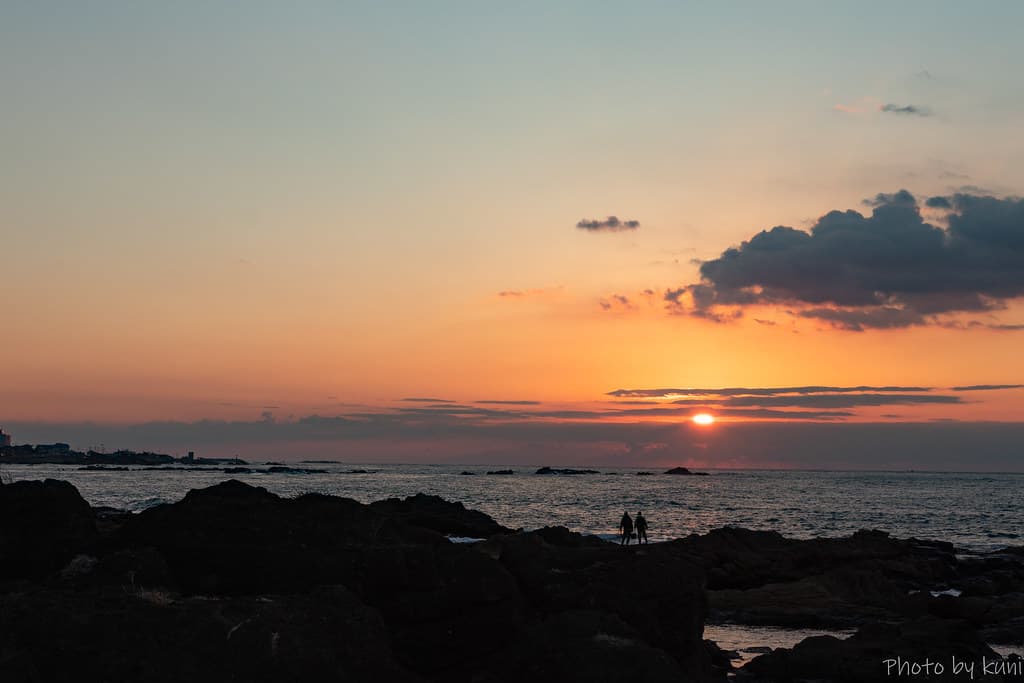
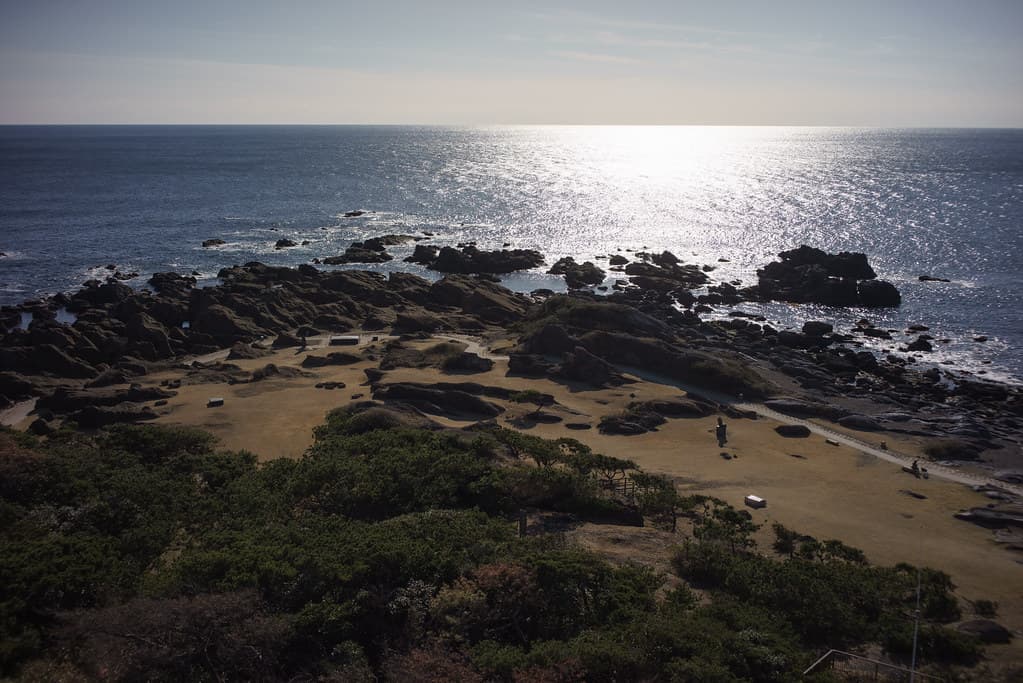
Wada Beach offers a generous sweep of soft, pale sand, stretching for kilometers along the Minamibōsō coast. Unlike its more rugged neighbors, Wada presents a gentle, open face to the Pacific, making it an ideal spot for those who appreciate vast horizons and unhurried moments. The sand here is fine underfoot, perfect for barefoot strolls where the only footprints are your own. The beach's proximity to the small, authentic Wada fishing town adds a layer of local charm. You might catch glimpses of fishing boats heading out or returning, their silhouettes against the dawn or dusk sky. The air often carries the faint, briny scent of the harbor, a subtle reminder of the community's deep connection to the sea. This isn't a place for loud attractions, but for quiet observation and genuine relaxation. Whether you're spreading a towel for a sunbath, letting children build elaborate sandcastles, or simply walking the shoreline as the waves gently break, Wada Beach provides ample space and peace. It's a canvas of sea and sky, where the horizon feels endless and the only agenda is to simply be. The quietude makes it a restorative retreat, far from the clamor of urban life, inviting you to slow down and savor the simple beauty of the coast.
Places, rentals, tours and events within walking and driving distance of Wada Beach.
Photos
Swimming at Wada Beach is generally safe during calm conditions, though it faces the open Pacific Ocean and can experience stronger waves than bay-facing beaches. During the official summer season (typically July-August), lifeguards monitor designated swimming areas. The beach has a gentle slope but currents can strengthen during rough weather or high tide. Always check local conditions, swim only in marked areas when lifeguards are present, and be cautious of changing weather. The beach is quieter and less monitored than major tourist beaches, so exercise additional personal judgment about water conditions before entering.
Visit during late spring (May-June) or early autumn (September-October) for pleasant weather with fewer crowds than peak summer. These shoulder seasons offer comfortable temperatures for beach activities and sunbathing while avoiding the busiest tourist periods. Summer (July-August) provides warmest water for swimming but attracts more visitors, especially weekends. Early morning visits any season offer peaceful beach walks and potential sunrise views. Weekdays are consistently quieter than weekends. Winter can be cold and windy but offers solitude for contemplative beach walks. The long stretch of sand is beautiful year-round for those seeking tranquility.
From Tokyo, take the JR Uchibo Line to Wada-Ura Station (approximately 2-2.5 hours). The beach is about a 15-minute walk from the station toward the coast. By car, follow the Tokyo Bay Aqua-Line and Tateyama Expressway, then Route 128 south to the Wada area (roughly 2 hours from Tokyo). Limited parking is available near the beach, with additional spots in the Wada town area. Highway buses connect Tokyo and Chiba to Minamibōsō, with stops near Wada. The beach is part of a quieter coastal stretch, so having your own transportation provides flexibility for exploring.
Wada town is famous for its fishing heritage, offering excellent fresh seafood at local restaurants and minshuku. Many traditional inns provide meals featuring local specialties including spiny lobster, abalone, and seasonal fish. The town has several small restaurants, izakaya, and cafes serving fresh catches. Beach houses operate during summer near the shore. Accommodation options include minshuku, guesthouses, and a few small hotels, most family-run with personal service. The nearby Wada fishing port area has additional dining options. Convenience stores are available for basics. Reservations are recommended, especially during summer and weekends.
Wada Beach's proximity to the historic Wada fishing town gives it authentic local character often missing from more tourist-developed beaches. The long, quiet stretch of sand offers peaceful relaxation without commercial development, maintaining a more natural, unspoiled atmosphere. Its connection to the fishing community means exceptional access to fresh seafood and traditional Japanese coastal culture. The beach is less Instagrammed and promoted than nearby spots, attracting visitors seeking genuine tranquility. The combination of accessible sand, nearby fishing port, and low-key vibe creates an authentic Japanese beach town experience ideal for those wanting to escape crowded tourist destinations.