Counting the waves…
Counting the waves…
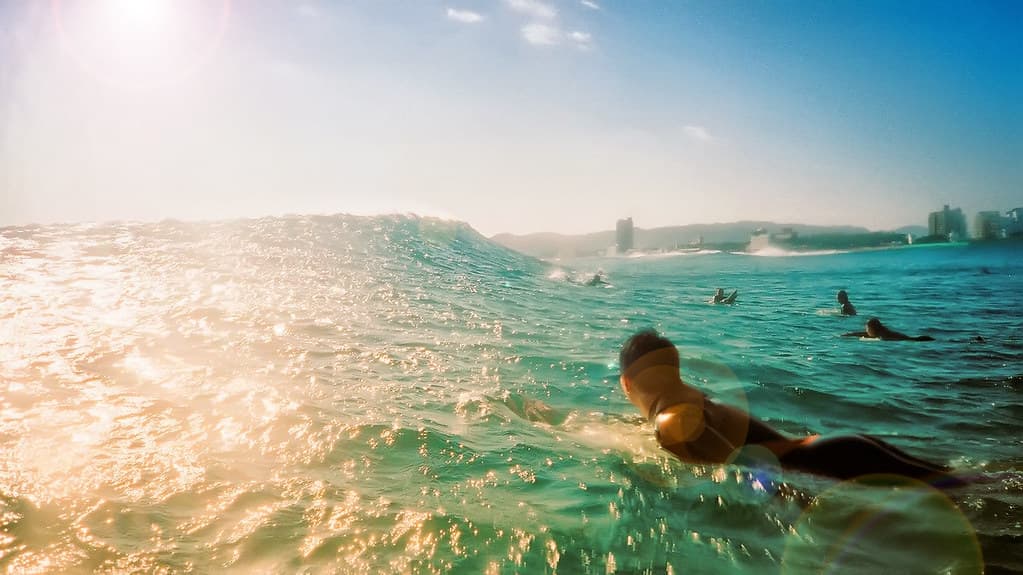
Onjuku Beach is a postcard-perfect expanse of golden sand, stretching wide and inviting along the Sotobō Central Coast. Its defining features are the two majestic bronze camel statues, commemorating the arrival of Ottoman sailors in 1890, adding a touch of historical whimsy to the scenic backdrop. These statues are a popular photo op and a beloved landmark for locals and visitors alike. The waves at Onjuku are typically gentle and consistent, making it an ideal destination for families with young children and those seeking a relaxed swim. The shallow, clear waters extend far from the shore, providing a safe and enjoyable environment for splashing and wading. Lifeguards are often on duty during peak season, adding an extra layer of reassurance for parents. Beyond the excellent swimming conditions, Onjuku offers a classic Japanese beach experience. You'll find ample space for sunbathing, building sandcastles, or simply enjoying the ocean breeze. The nearby town provides a charming array of eateries and shops, perfect for grabbing a refreshing drink or a local snack after a day in the sun. It's a place where timeless beach pleasures are celebrated, creating an atmosphere of pure, unadulterated relaxation.
Places, rentals, tours and events within walking and driving distance of Onjuku Beach.
Photos
Onjuku Beach is generally considered safe and family-friendly, with lifeguards on duty during the summer swimming season (typically July to August). The waves are usually gentle and suitable for children, though conditions vary with weather. The beach has designated swimming areas and facilities including showers and restrooms. Parents should always supervise children near water. The wide sandy shoreline provides plenty of space for safe play. Check local conditions before swimming, as typhoons and rough weather can create stronger currents.
The peak season for Onjuku Beach is July and August when the weather is warmest and lifeguards are present. During these months, expect more crowds but full facilities and services. Late June and early September offer good weather with fewer visitors. The beach is accessible year-round for walks and sightseeing, with autumn and spring providing mild temperatures. Winter visits are possible but cold, with limited facilities. Avoid visiting during Japan's rainy season in June or during typhoon season in September-October when conditions can be unpredictable.
From Tokyo, take the JR Wakashio Limited Express train from Tokyo Station or Soga Station directly to Onjuku Station, which takes approximately 70-90 minutes. The beach is about a 10-minute walk from Onjuku Station. Alternatively, drive via the Kyoyo Road/Aqua Line and Boso Skyline, taking roughly 90 minutes depending on traffic. Highway buses from Tokyo Station also serve Onjuku. During summer, shuttle buses may run from the station to the beach. The journey is straightforward and well-signposted for tourists.
Onjuku town offers diverse accommodation including beachfront hotels, traditional ryokan inns, guesthouses, and minshuku (family-run lodgings). Many serve fresh local seafood including spiny lobster, a regional specialty. Near the beach, you'll find beach shacks and casual restaurants serving typical beach fare during summer. The town center has restaurants specializing in seafood, sushi, and Japanese cuisine. Convenience stores are available for snacks and supplies. Booking ahead is essential during peak summer weekends. Some accommodations offer half-board packages including breakfast and dinner.
The iconic camel statues commemorate a historical event from 1609 when a Spanish galleon, the San Francisco, shipwrecked off Onjuku's coast. Local residents rescued 317 crew members, including the ship's captain who traveled with camels. This act of kindness led to friendly relations between Onjuku and Mexico (then New Spain). The camel statues honor this connection and have become the beach's most recognizable landmark. Visitors often take photos with these statues, which symbolize international friendship. The town celebrates this history with festivals and cultural exchanges.