Counting the wavesβ¦

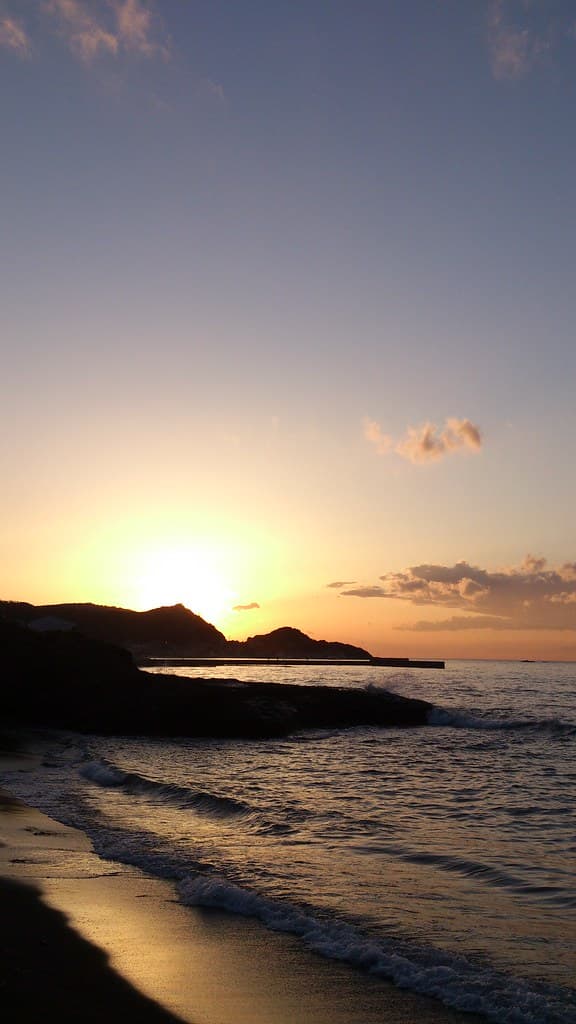
The Boso Flower Line Beach isn't a single sandy expanse, but rather a collection of charming, often secluded spots dotting the famous coastal road. As you navigate this scenic route, particularly from winter through spring, fields of vibrant nanohana (rapeseed blossoms), poppies, and stock flowers burst into color, creating a stunning contrast with the deep blue of the Pacific Ocean. Pull over at various points to discover small, sandy coves and rocky outcrops perfect for a moment of contemplation or a picturesque photo opportunity. The air here is often fragrant with the scent of the nearby blooms, carried on the gentle sea breeze. It's a sensory feast, combining the visual splendor of the flowers with the raw beauty of the coastline. This area is ideal for those who appreciate scenic drives, cycling adventures, and capturing breathtaking landscapes. While not every spot is designed for swimming, the sheer beauty of the surroundings and the opportunity to connect with nature in such a vibrant setting make the Boso Flower Line Beach a truly memorable destination.
Places, rentals, tours and events within walking and driving distance of Boso Flower Line Beach.
Photos
Swimming conditions along the Boso Flower Line coastal stretch vary by specific location and season. During summer months, designated swimming areas typically have calmer waters suitable for swimming. Always check local conditions before entering the water, as some sections may have currents or rocky areas. Lifeguard presence is limited outside peak summer season. Pay attention to warning flags and signs posted along the beach. The bay-facing location generally means gentler waves compared to ocean-facing beaches.
The optimal visiting period runs from late December through spring for flower viewing, as the mild climate allows flowers to bloom year-round along this coastal route. Summer (July-August) is best for beach activities and swimming. Early morning or late afternoon provides the best lighting for photography of both flowers and ocean views. Weekdays tend to be quieter than weekends. Avoid typhoon season (August-October) when weather can be unpredictable and coastal areas may close temporarily.
From Tokyo, take the JR Uchibo Line express train to Tateyama Station, which takes approximately 2 hours. From Tateyama Station, the coastal route is best accessed by rental car or local bus services that run along the flower line route. Driving offers the most flexibility to stop at various viewpoints. By car from Tokyo, take the Aqua-Line and Tateyama Expressway, about 90-120 minutes depending on traffic. Bicycle rental is also popular for exploring the scenic coastal road at a leisurely pace.
Tateyama city center offers the widest selection of accommodations including business hotels, traditional ryokans, and guesthouses, located within short driving distance of the coastal route. Along the flower line route itself, you'll find small restaurants serving fresh seafood and local specialties. Convenience stores are available in Tateyama for basics. Many visitors choose to stay in Tateyama and make day trips along the coast. Some beachside cafes operate seasonally. Booking accommodation in advance is recommended during peak flower and summer seasons.
The combination of colorful flower fields meeting the ocean creates distinctive photo opportunities rarely found elsewhere. The coastal route features flowers blooming against blue ocean backdrops, particularly spectacular with fields of poppies, stock flowers, and other blooms depending on season. The elevated sections of the road provide sweeping vistas perfect for landscape photography. Golden hour lighting enhances both the flowers and sea views. The relatively undeveloped coastline maintains a natural aesthetic ideal for Instagram-worthy shots blending flora and seascape in single frames.