Counting the waves…
Counting the waves…
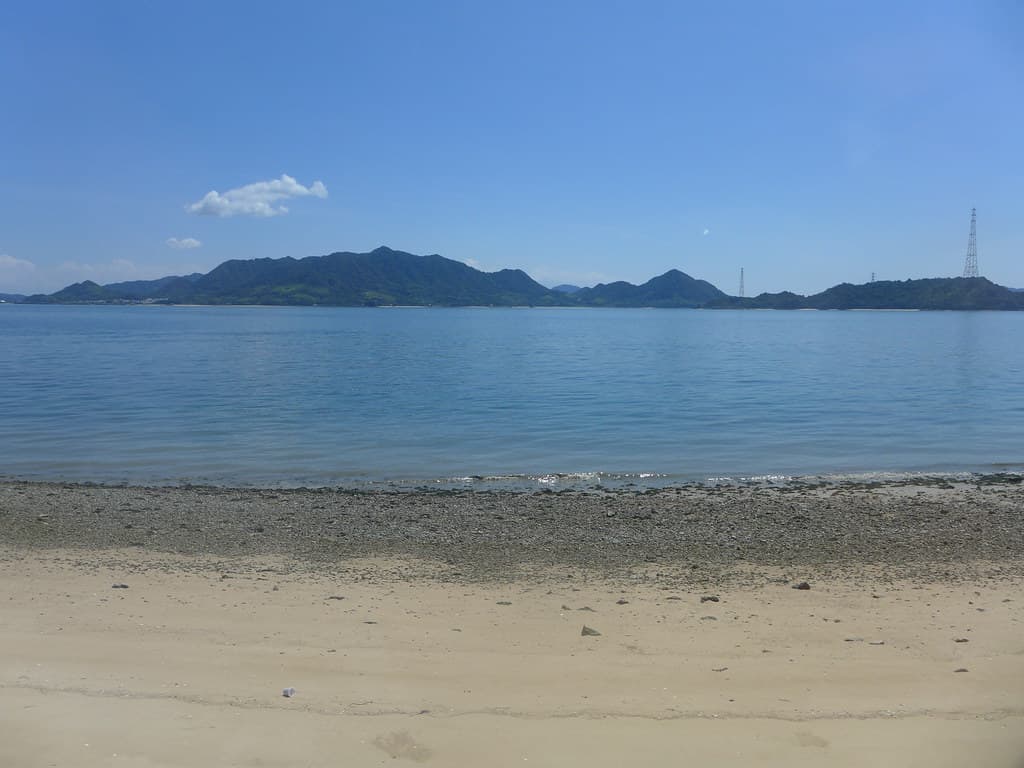
Nestled beneath the elegant cables of the Tatara Bridge, Tatara Beach offers more than just a place to sunbathe; it's a strategic stop on the famed Shimanami Kaido cycling route. The gentle lapping of the waves against the soft sand provides a soothing soundtrack, a welcome contrast to the whir of bicycle chains. Here, the air carries the faint scent of salt and the promise of a refreshing dip after a long ride. Families will appreciate the shallow, calm waters, perfect for little ones to splash and play, while the backdrop of the bridge offers a dramatic, Instagram-worthy vista. You can spread a blanket on the sand, unpack a bento, and watch the occasional ferry glide across the horizon. The facilities nearby cater to cyclists, making it easy to park your bike and enjoy a well-deserved break. This beach isn't about wild surf or secluded coves; it's about accessibility, convenience, and the unique charm of being at the crossroads of human ingenuity and natural beauty. It's a place where memories are made against a backdrop of architectural wonder, a vibrant hub where the journey itself becomes part of the destination.
Places, rentals, tours and events within walking and driving distance of Tatara Beach.
Photos
Tatara Beach is generally safe for swimming and well-suited for families. The sandy beach has gentle entry into the water, making it comfortable for children. Basic facilities are available given its proximity to the cycling route infrastructure. As with any beach in Japan, swimming conditions are best during summer months (July-August), and it's advisable to check local weather and water conditions before entering. The beach benefits from its convenient location near the famous Tatara Bridge, which also means facilities and access are better maintained than more remote beaches.
While Tatara Beach is most pleasant during the warm summer months (June through September), weekdays offer the best opportunity to avoid crowds. The beach sees increased visitor numbers on weekends and Japanese national holidays, particularly during the Obon period in mid-August. Early mornings and late afternoons, even during peak season, tend to be quieter. Spring and early autumn can also provide good weather with fewer visitors, though water temperatures may be cooler. The cycling route attracts visitors year-round, so expect some activity even in off-season.
Tatara Beach is located on Ōmishima Island and is accessible via the Shimanami Kaido expressway and cycling route. By car, take the Shimanami Kaido from Imabari and cross the Tatara Bridge to Ōmishima; the beach is conveniently located near the bridge. Many visitors arrive by bicycle along the famous Shimanami Kaido cycling route, which has excellent facilities and bike rental stations. Limited bus services connect the islands, though schedules may be infrequent. The beach's proximity to major cycling infrastructure makes it particularly accessible for those touring the island chain.
Tatara Beach benefits from its location on the Shimanami Kaido route, which means basic facilities and refreshments are available nearby at cycling stations and rest areas. Ōmishima Island has several restaurants serving local Ehime cuisine, seafood, and regional specialties, though options directly at the beach may be limited. For accommodation, the island offers minshuku (Japanese guesthouses), small hotels, and ryokan, primarily catering to cyclists and tourists exploring the Shimanami Kaido. It's advisable to book accommodation in advance during peak season. Nearby towns provide additional dining and lodging options.
Tatara Beach's defining feature is its spectacular location directly beneath the iconic Tatara Bridge, one of the world's longest cable-stayed bridges, creating exceptional photo opportunities and Instagram-worthy scenery. The beach serves as a natural rest stop for cyclists traversing the famous Shimanami Kaido cycling route, making it a unique combination of beach relaxation and cycling tourism. The proximity to cycling facilities means better infrastructure than many remote island beaches. The bridge's dramatic architecture against the Seto Inland Sea backdrop provides a distinctive setting that blends modern engineering with natural coastal beauty.