Counting the wavesβ¦
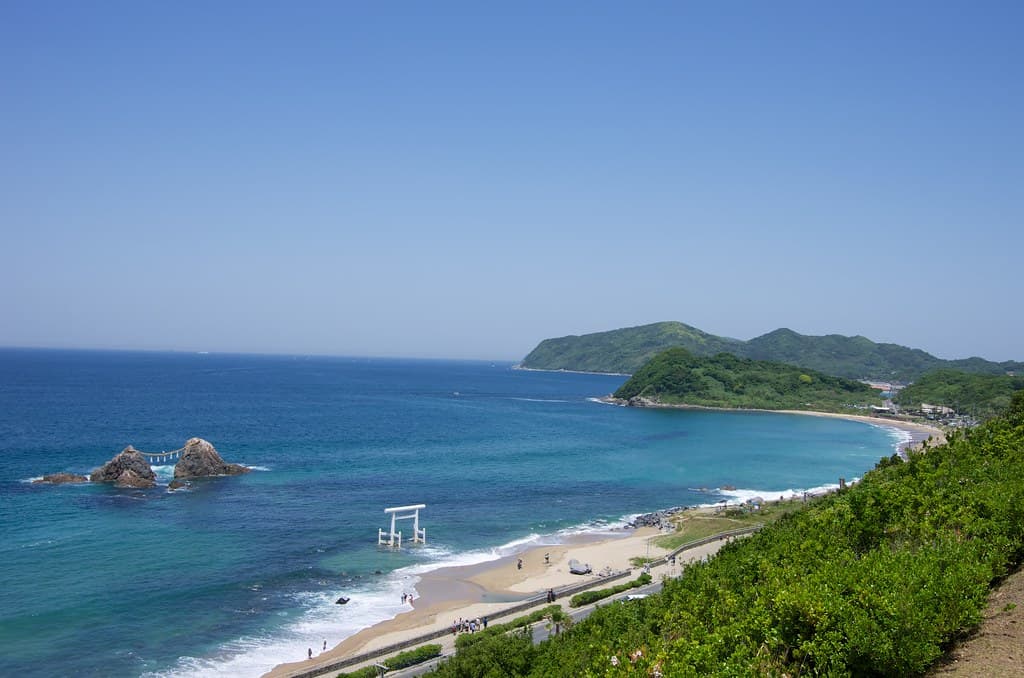
Futamigaura Beach in Itoshima is a pilgrimage for photographers and romantics alike, drawn by the ethereal beauty of its 'Married Couple Rocks' (Meoto Iwa). These two sea stacks, a larger male and smaller female, are symbolically joined by a thick shimenawa rope, renewed annually, and crowned by a striking white torii gate that dramatically rises from the ocean. This sacred tableau creates an unparalleled focal point against the vast expanse of the Genkai Sea. The beach itself is a pleasant sandy stretch, offering ample space to set up your tripod or simply sit and absorb the spiritual atmosphere. While swimming is possible, the main draw here is the visual spectacle. The air often carries a sense of reverence, as visitors contemplate the natural artistry and cultural significance of the Meoto Iwa, which are believed to represent marital harmony and good fortune. However, it's at sunset that Futamigaura truly comes alive. As the sun dips below the horizon, it casts a fiery glow that silhouettes the torii gate and rocks, painting the sky in a kaleidoscope of oranges, purples, and deep reds. This daily performance transforms the scene into a breathtaking masterpiece, making it an essential experience for anyone exploring Fukuoka's coast.
Places, rentals, tours and events within walking and driving distance of Futamigaura Beach.
Photos
Swimming is possible at Futamigaura Beach during summer months, though most visitors come primarily for photography and sightseeing rather than swimming. The beach has shallow areas suitable for wading, especially near the famous torii gate and wedded rocks (Meoto Iwa). However, exercise caution as there are generally no lifeguards, and currents can be unpredictable near the rocks. The area around the torii is considered sacred, so respectful behavior is expected. Swimming is more common at the wider beach areas away from the shrine structures. Summer weekends see more swimmers, but this remains primarily a scenic and cultural destination.
Sunset is the most popular and photogenic time to visit Futamigaura Beach, when the white torii gate is silhouetted against colorful skies, creating Kyushu's most iconic beach photograph. The torii faces west, making it perfectly positioned for sunset shots year-round. Summer sunsets occur later (around 7-7:30 PM), while winter sunsets are earlier (around 5-5:30 PM). Visiting during low tide allows you to walk closer to the torii gate. Clear days obviously provide the best conditions. Early morning offers serene, crowd-free photography opportunities with soft light. Avoid midday when harsh overhead lighting is less flattering for photos.
From Fukuoka city, Futamigaura Beach is about 40-50 minutes by car via Route 202 along the scenic Itoshima coast. Parking is available near the beach but fills quickly during sunset hours and summer weekends, so arrive early. By train, take the JR Chikuhi Line from Meinohama Station to Chikuzen-Fukae Station (approximately 30 minutes), then it's roughly a 20-minute walk or short taxi ride to the beach. Local buses also serve the area along Route 202. Many visitors combine this beach with other Itoshima attractions in a day trip, making car rental a convenient option.
The immediate Futamigaura Beach area has limited accommodation, with most lodging options scattered throughout broader Itoshima, including guesthouses, small hotels, and traditional inns within 10-20 minutes' drive. Many visitors base themselves in Fukuoka city and day-trip to the beach. For dining, several restaurants and cafΓ©s line the coastal road nearby, many specializing in fresh seafood and local Itoshima produce. The famous oyster huts (kakigoya) operate during winter months in the region. Basic facilities exist at the beach, but for extensive dining options, explore the surrounding Itoshima area or plan accordingly with packed refreshments.
The white torii gate standing in the sea at Futamigaura Beach marks a sacred site associated with Sakurai Shrine. The Meoto Iwa (wedded rocks) connected by sacred shimenawa rope symbolize the union of the creator deities Izanagi and Izanami, representing marriage and harmony. This makes the location particularly meaningful for couples and those praying for good relationships. The rope is ritually renewed each year. The site has deep Shinto significance while offering stunning natural beauty, making it one of Japan's most photographed coastal locations. Visitors should approach respectfully, recognizing this as both a spiritual site and scenic attraction.