Counting the waves…
Counting the waves…

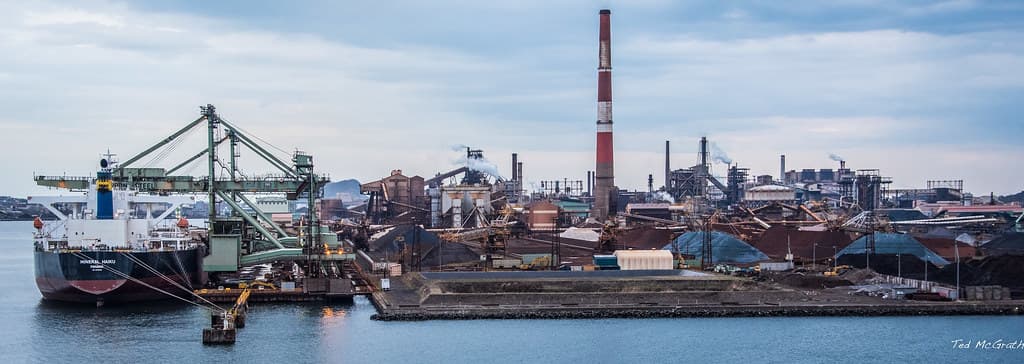
Itanki Beach curls along Muroran's southern edge, a crescent of volcanic black sand that absorbs the weight of the Tsugaru Strait's relentless energy. The wind here carries salt and the faint diesel tang from the port, while offshore waves break with a hollow thud that draws wetsuit-clad locals year-round. Even in January, when snow dusts the dunes, you'll spot diehards paddling out into slate-gray water that hovers just above freezing. The beach sits beneath Cape Chikiu, where weathered cliffs drop into foam and tide pools fill with purple urchins and orange starfish. Walk the shoreline and you'll crunch through coarse basalt grains, remnants of ancient eruptions that shaped this coast. Fishing boats bob beyond the break, their nets strung for Pacific saury, while cormorants dive in the shallows. Come for the surf—consistent beach breaks that work on northwest swells—but stay for the unpolished authenticity. There's no resort veneer here, just a concrete parking lot, a single changing shed, and a horizon that stretches uninterrupted toward Honshu. The sunsets paint the Muroran smokestacks in amber light, and if you time it right in autumn, you'll watch salmon leap in the river mouth, silver flashes against the darkening sand.
Places, rentals, tours and events within walking and driving distance of Itanki Beach.
Photos
Itanki Beach is primarily known as a surfing destination rather than a swimming beach. The Pacific Ocean currents here can be strong and unpredictable, making conditions challenging for casual swimmers. The beach is more suitable for experienced surfers who can handle the waves. There are no lifeguards on duty year-round, so visitors should exercise caution. If you're not surfing, it's safer to enjoy the scenic coastline and watch surfers from the shore rather than entering the water.
Itanki Beach attracts surfers year-round, though each season offers different conditions. Summer (June-August) provides the warmest weather and smaller waves, ideal for beginner surfers. Autumn and winter bring larger swells that experienced surfers prefer, though you'll need a wetsuit as water temperatures drop significantly. Spring offers moderate conditions. For sightseeing and photography, summer provides the most comfortable weather, while winter can be quite cold and windy. The beach is accessible throughout the year, so timing depends on your surfing skill level and weather preferences.
Itanki Beach is located approximately 15 kilometers from central Muroran. By car, it takes about 20-25 minutes via Route 36. Free parking is available near the beach, making it convenient for visitors bringing surfboards and equipment. Public transportation options are limited; the nearest train station is JR Higashi-Muroran Station, from which you'd need to take a taxi or bus. Having a rental car is recommended if you're visiting from other parts of Hokkaido, as it provides the most flexibility for accessing the beach and exploring the surrounding coastal areas.
Itanki Beach is relatively undeveloped, with limited facilities directly at the beach. You'll find basic amenities like restrooms and changing areas, but no beachside restaurants or food vendors. For dining and lodging, head to central Muroran, about 15 minutes away by car, where you'll find various restaurants serving fresh seafood and local Hokkaido cuisine, along with hotels and guesthouses. Some visitors bring their own food and drinks for beach picnics. It's advisable to plan ahead and stock up on supplies before arriving at the beach.
Itanki Beach is one of Hokkaido's most renowned surf spots because it consistently receives quality Pacific Ocean swells throughout the year. The beach's eastern exposure and coastal geography create favorable wave conditions that attract surfers from across Japan. It's particularly popular among Hokkaido's surfing community for its reliable breaks and relatively accessible location near Muroran. The beach has been featured in Japanese surfing media and hosts occasional competitions. Its scenic backdrop of rugged coastline and the fact that it remains surfable even during Hokkaido's harsh winters adds to its legendary status.