Counting the waves…
Counting the waves…
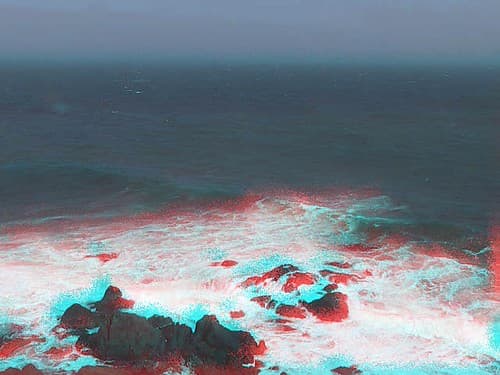
The road to Habomai Beach winds through coastal hamlets where fishing nets hang to dry and the smell of salt and diesel mingles in the cold air. When you step onto the beach, the Pacific stretches east toward territories lost and remembered, its gray-green waters churning with purpose. Gulls wheel overhead, their cries sharp against the sound of waves grinding pebbles and sand into submission. This is a working coastline. You'll see locals mending gear, checking traps, hauling in the day's catch. The beach itself curves along a rugged shoreline where tide pools form in volcanic rock formations, each one a small universe of urchins and anemone. In winter, ice floes drift past; in summer, the midnight sun barely dips below the horizon, painting the water in shades of rose and amber that seem impossible this far north. Families come here not for tropical ease but for something harder to name—a connection to the raw edge of the land, to the rhythm of tides and seasons that still dictates life in this corner of Japan. You'll leave with wind-chapped lips, sand in your shoes, and the knowledge that some beaches aren't meant to comfort you. They're meant to remind you where the earth meets the sea with nothing in between.
Places, rentals, tours and events within walking and driving distance of Habomai Beach.
Photos
Habomai Beach is primarily known as a scenic fishing area coastline rather than a swimming destination. The waters off Nemuro can be quite cold year-round due to Hokkaido's northern location and ocean currents from the Sea of Okhotsk. Swimming conditions are generally challenging, with cold temperatures and unpredictable currents. The beach is better suited for coastal walks, photography, and observing the fishing industry. If you plan to enter the water, exercise extreme caution and check local conditions first.
While technically accessible year-round, summer months (June through September) offer the most comfortable weather for visiting Habomai Beach, with temperatures ranging from 15-20°C. During this period, you'll enjoy longer daylight hours and clearer skies ideal for photography and coastal exploration. Spring brings unique sea ice formations breaking up offshore. Winter can be harsh with strong winds and snow, though it offers dramatic seascapes. Autumn provides excellent visibility of the fishing industry in action and beautiful coastal scenery with fewer crowds.
Habomai Beach is located in Nemuro, Japan's easternmost city. From Sapporo, the journey takes approximately 6-7 hours by car via Route 44. Alternatively, take a domestic flight to Nakashibetsu Airport (about 90 minutes' drive from Nemuro) or JR train to Nemuro Station, then use local buses or taxis. The beach area typically has roadside parking available, though facilities may be limited. Given Nemuro's remote location, renting a car provides the most flexibility for visiting the coastline and surrounding attractions.
Nemuro is renowned for fresh seafood, particularly crab, salmon, and sea urchin. The city center, a short drive from the beach, offers restaurants serving local catches and conveyor-belt sushi with exceptionally fresh fish. Amenities directly at Habomai Beach are minimal, so plan accordingly. For lodging, Nemuro city has business hotels and ryokan (traditional inns), most within 15-20 minutes of the beach. Stock up on supplies in town before heading to the coast, as beachside facilities like restrooms or shops are limited.
Nemuro is known as Japan's closest point to the disputed Northern Territories (Southern Kurils), islands administered by Russia but claimed by Japan. While Habomai Beach offers coastal views, the best vantage points for viewing these islands are at designated observation points like Nosappu Cape and Hoppo Ryodo Shiryokan (Northern Territories Museum) in the Nemuro area. On clear days, some of the islands are visible from various points along Nemuro's coastline, making this region historically and politically significant beyond its natural beauty.