Counting the waves…
Counting the waves…

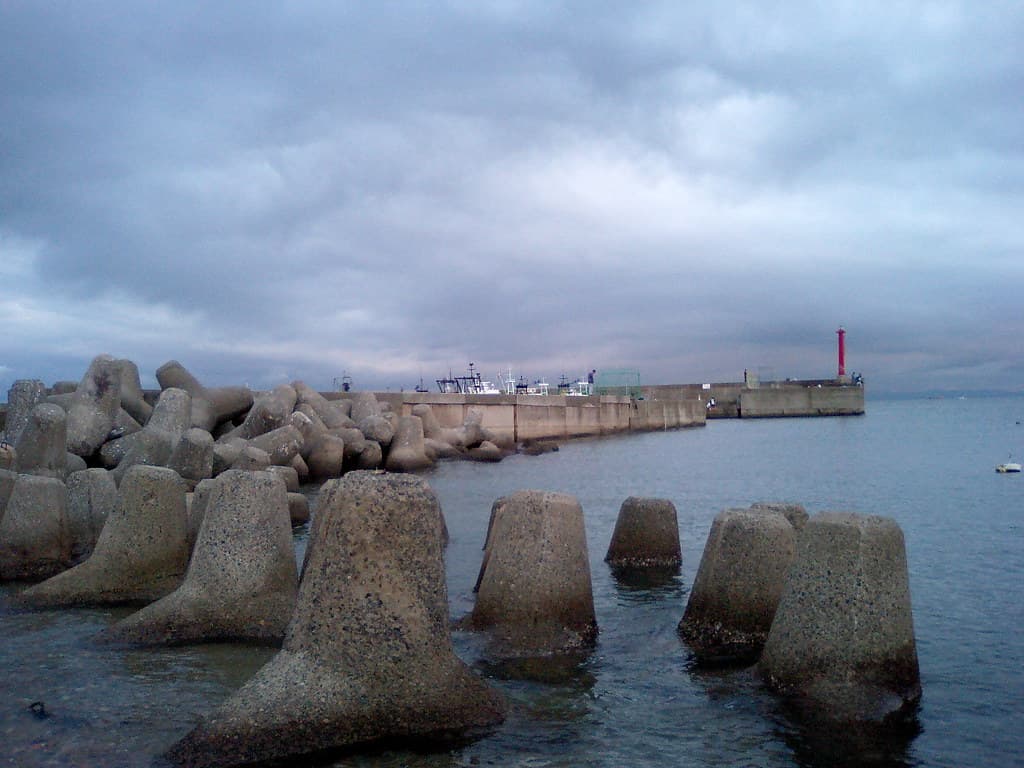
The drive north from Otaru's famous canal district takes you through narrow streets lined with weathered clapboard houses until the road opens onto Shioya, a compact bay where the beach stretches in a dark ribbon between forested cliffs. The sand here isn't the golden postcard variety—it's coarse and iron-gray, studded with smooth stones the tide has polished over centuries. Gulls wheel overhead, and you'll often have long stretches of shoreline entirely to yourself, even on summer weekends when Otaru's glass workshops overflow with tourists. The water stays frigid year-round, typical of Hokkaido's western coast where currents sweep down from the north. Hardy locals wade in during July and August, but most visitors come for the walking—the beach curves gently, offering views back toward Otaru's working port on one side and untouched headlands on the other. In winter, snow dusts the black sand in surreal contrast, and the beach becomes a meditation in monochrome. A seawall separates the sand from a small parking area and a handful of seasonal food stalls that serve grilled scallops and soft-serve made with Hokkaido milk. There's no resort infrastructure, no umbrella rentals, no lifeguard station—just the raw meeting of land and sea that defines Japan's northern coastline.
Places, rentals, tours and events within walking and driving distance of Shioya Beach.
Photos
Shioya Beach is generally calm but has limited lifeguard services, so swim with caution. The rocky coastline and occasional strong currents make it more suitable for wading and beachcombing than serious swimming. Water temperatures remain cold even in summer, typical of Hokkaido's coastline. There are no designated swimming zones or safety equipment stations. Families with small children should supervise closely near the water. The beach is better appreciated for its scenic beauty and peaceful atmosphere rather than as a primary swimming destination.
Shioya Beach offers distinct seasonal experiences year-round. Summer (July-August) provides the warmest weather for beach visits, though water remains chilly. Spring and autumn offer pleasant temperatures and fewer crowds, ideal for scenic walks and photography. Winter transforms the area with dramatic snow-covered landscapes meeting the sea, creating striking coastal views. Early morning and sunset hours provide particularly beautiful lighting regardless of season. While accessible throughout the year, visit during daylight hours as the area has minimal artificial lighting and can be isolated after dark.
Shioya Beach is located approximately 30 minutes by car from central Otaru, heading northeast along the coastal Route 17. Free parking is available near the beach, though spaces are limited. By public transport, take the JR Hakodate Main Line from Otaru Station to Shioya Station (about 15 minutes), then walk approximately 10 minutes to the beach. Buses are infrequent in this area, making driving or train the most practical options. The route offers scenic coastal views. During winter, roads can be icy, so drive carefully or rely on train access.
Shioya Beach has minimal on-site facilities, reflecting its quiet, undeveloped character. There are no restaurants or shops directly at the beach. Basic public restrooms may be available but facilities are limited. The nearby Shioya area and Route 17 have a few small local eateries and convenience stores, though options are sparse. For more dining and shopping choices, return to central Otaru, about 30 minutes away. Bring your own food, drinks, and any supplies you need. Accommodations are scarce locally; most visitors stay in Otaru proper and make Shioya a day trip.
Unlike Otaru's more popular beaches like Otaru Dream Beach, Shioya Beach remains relatively undiscovered and uncommercialized, offering genuine solitude and natural coastal beauty. Its rocky shoreline and dramatic cliffs create a wilder, more rugged atmosphere compared to sandy tourist beaches. The area attracts photographers and nature lovers seeking authentic Hokkaido coastal scenery without crowds. Local fishing culture is still visible here, with small fishing operations occasionally present. The beach provides an intimate, contemplative experience of Hokkaido's coastline, perfect for those wanting to escape typical tourist circuits in the Otaru area.