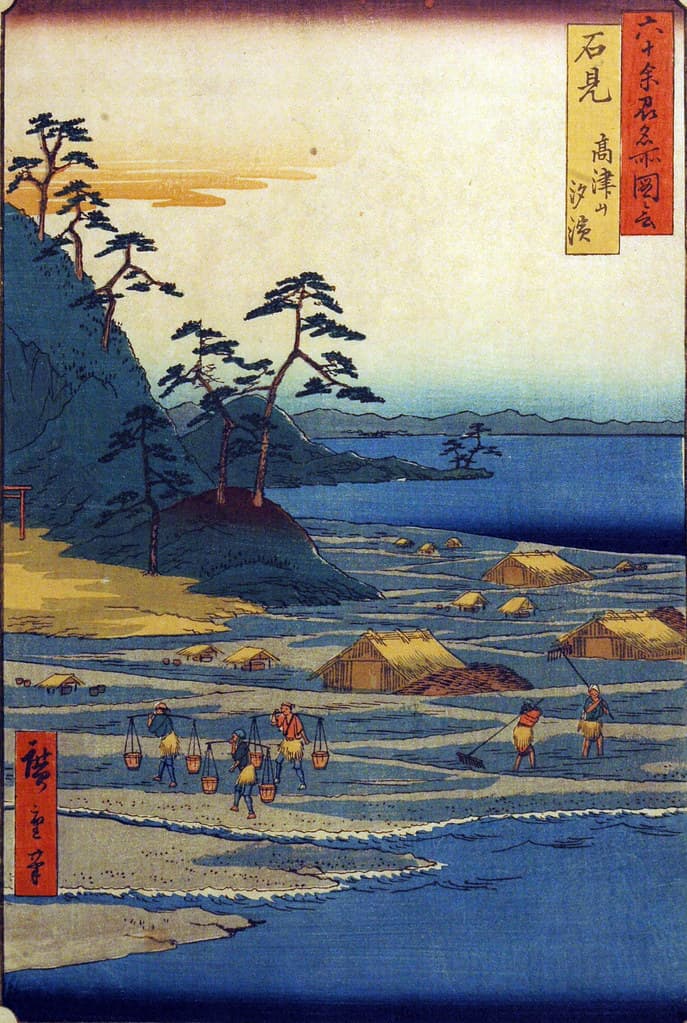
Counting the waves…
Counting the waves…
The shore at Oshoro runs narrow and wild, hemmed in by low bluffs and strewn with river-smoothed stones that shift and clatter with each retreating wave. This is not a beach for lounging—the wind off the Sea of Japan rarely softens, and the water temperature hovers just above numbing year-round. But if you crave solitude and the raw, unpolished edges of Hokkaido's coast, you'll appreciate the honesty of this place. Few tourists venture this far up the Rumoi shoreline. The nearest onsen towns pull most of the traffic, leaving Oshoro to fishing boats, migratory seabirds, and the occasional photographer chasing moody skies. In winter, snow dusts the pebbles and ice forms in the tidal pools. In summer, the sun sets late and slow, gilding the water in shades of copper and slate. You'll need a car to reach Oshoro, and there's little infrastructure beyond a small parking area and a weathered breakwater. Bring layers—the wind is constant—and pack your own provisions. What you gain is space: long views up and down an undeveloped coast, the rhythmic hush of waves on stone, and a sense that you've arrived somewhere most travelers overlook.
Places, rentals, tours and events within walking and driving distance of Oshoro Beach.
Photos
Oshoro Beach is relatively calm compared to other Hokkaido coastal areas, but swimming conditions depend on the season. During summer months (July-August), waters are coldest among Japan's beaches due to northern latitude. Strong currents and cold water temperatures can occur, so exercise caution. There are no lifeguards on duty, as this is a quiet, less-developed beach. Check local weather and wave conditions before entering the water, and avoid swimming alone or during rough weather.
Oshoro Beach is accessible year-round, with each season offering different experiences. Summer (July-August) provides the warmest weather for beach activities, though water remains cool. Spring and autumn offer scenic coastal views with fewer visitors and comfortable temperatures for walks. Winter transforms the beach into a dramatic, snow-covered landscape popular with photographers. For traditional beach activities, late July through August is ideal, while those seeking solitude and scenic beauty can visit during shoulder seasons.
Oshoro Beach is located in Rumoi, accessible by car via Route 231 along Hokkaido's western coast. From Sapporo, it's approximately a 2-hour drive northwest. Limited free parking is available near the beach area. Public transportation options are sparse; the nearest train station is Rumoi Station, but you'll need a taxi or rental car for the final stretch. Driving is the most practical option, especially for visitors wanting flexibility to explore Hokkaido's rural coastline.
Oshoro Beach has minimal on-site facilities, reflecting its quiet, undeveloped character. Basic restrooms may be available during summer months. For dining and accommodation, head to nearby Rumoi town, where you'll find local seafood restaurants, convenience stores, and small hotels or minshuku (guesthouses). Fresh seafood is a regional specialty. Given limited beachside amenities, bring water, snacks, and any supplies you'll need. The nearest full-service accommodations are in Rumoi, approximately 15-20 minutes away.
Oshoro Beach stands out for its uncrowded, untouched atmosphere along Hokkaido's lesser-known western coast. Unlike popular beaches near Sapporo or Hakodate, it remains relatively undiscovered by tourists, offering genuine solitude and unspoiled coastal scenery. The beach provides dramatic views of the Sea of Japan and rugged Hokkaido coastline without commercial development. It's ideal for travelers seeking authentic, off-the-beaten-path experiences, photography opportunities, and peaceful nature walks rather than bustling beach resort amenities.