Counting the waves…
Counting the waves…

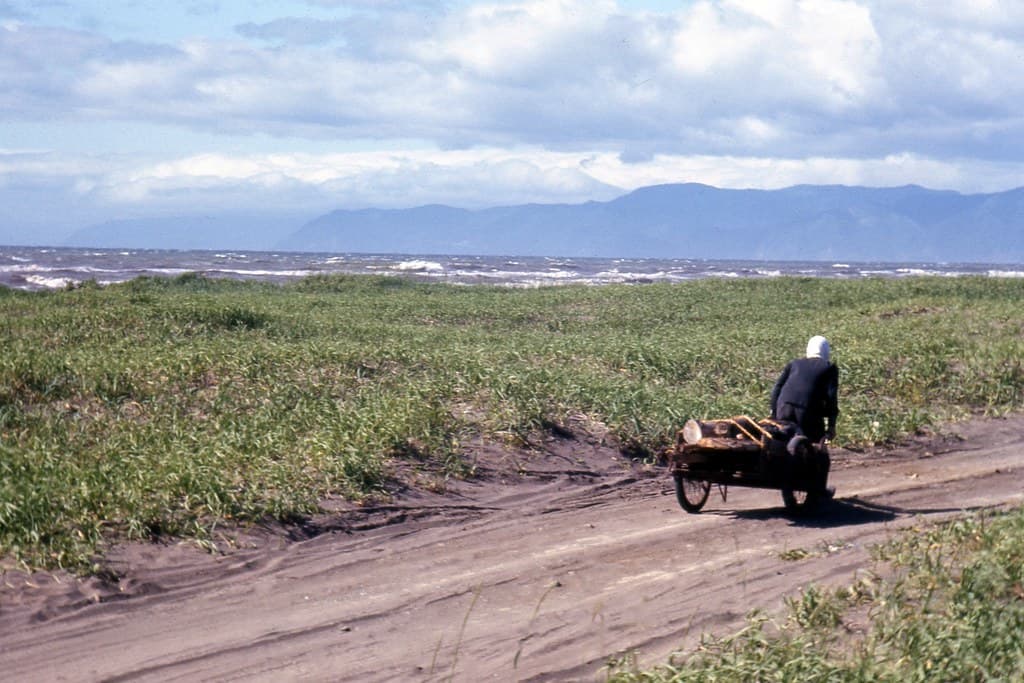
The first thing you notice isn't the view—it's the quiet. Despite sitting minutes from Tomakomai's container terminals, Shikotsu Coast Beach exists in a pocket of calm where fishing floats tangle with driftwood and the only footprints belong to early-morning dog walkers. The sand here holds traces of volcanic ash, giving it a silvery cast under overcast skies that dominate most months. Concrete wave barriers march along portions of the shore, remnants of a coast shaped as much by engineering as erosion. Local anglers claim the best spots at dawn, casting lines for flounder while thermos steam mingles with sea spray. You'll pass them on your walk, nodding silent greetings that feel more genuine than any resort welcome. The beach extends in both directions farther than it appears, broken by rocky outcrops where tide pools collect sea stars and hermit crabs. Behind you, the hills rise dark with conifer, occasionally punctuated by a lonely onsen inn or shuttered summer house. This isn't a destination beach—it's a margin, a threshold. You come here to watch container ships inch across the horizon, to feel Hokkaido's raw edge, to understand that not every shore needs to perform beauty. Sometimes a beach just needs to exist, indifferent and available, waiting for whoever shows up.
Places, rentals, tours and events within walking and driving distance of Shikotsu Coast Beach.
Photos
Swimming conditions at Shikotsu Coast Beach vary significantly by season. During summer months, the waters are generally calm enough for swimming, though the sea temperature in Hokkaido remains cooler than mainland Japan beaches. However, this beach has limited lifeguard services and safety infrastructure compared to major tourist beaches. Always check local weather conditions before entering the water, as currents can be unpredictable. The rocky sections of coastline require caution when walking. It's advisable to swim only during daylight hours and inform someone of your plans.
While accessible year-round, the most comfortable visiting period is June through September when temperatures are milder and daylight hours longer. Summer (July-August) offers the warmest conditions for beach activities, though expect cooler temperatures than southern Japan. Spring and autumn provide quieter experiences with dramatic coastal scenery, ideal for photography and peaceful walks. Winter visits reveal a stark, beautiful landscape, but bring proper cold-weather gear as Hokkaido winters are harsh. Early morning visits any season offer excellent opportunities to experience the beach's tranquil, local atmosphere without crowds.
Shikotsu Coast Beach is located in Tomakomai, accessible primarily by car. From central Tomakomai, follow coastal Route 36 or local roads toward the shoreline areas. Public transportation options are limited, making rental cars the most practical choice for visitors. Some coastal access points offer small parking areas, though facilities vary by specific location along this lesser-known strip. During peak summer weekends, parking may fill quickly at popular spots. GPS coordinates or asking locals for "Shikotsu kaigan" will help navigation, as English signage may be minimal in this local area.
As a hidden local beach, Shikotsu Coast has minimal on-site facilities. You'll find more amenities in central Tomakomai, roughly 15-20 minutes away by car, including restaurants serving fresh Hokkaido seafood, convenience stores, and various accommodation options. The area lacks beachfront cafes or shops, so bring your own food, drinks, and supplies. Public restrooms may be limited or absent at certain access points. For lodging, consider staying in Tomakomai city or near Lake Shikotsu, a popular resort area within reasonable driving distance, offering hotels and ryokan with natural hot springs.
Shikotsu Coast Beach offers an authentic local experience away from Hokkaido's tourist-heavy beaches. Its rugged, undeveloped character reflects a working coastline where you might encounter local fishermen and tide-pool explorers rather than sunbathers. The volcanic geology of the region creates interesting coastal rock formations and black sand areas distinct from typical white-sand beaches. Being lesser-known means genuine solitude and unspoiled natural beauty, though with fewer amenities. The proximity to both industrial Tomakomai and natural Lake Shikotsu creates a unique contrast in landscape and atmosphere rarely found elsewhere.