
Counting the waves…
Counting the waves…

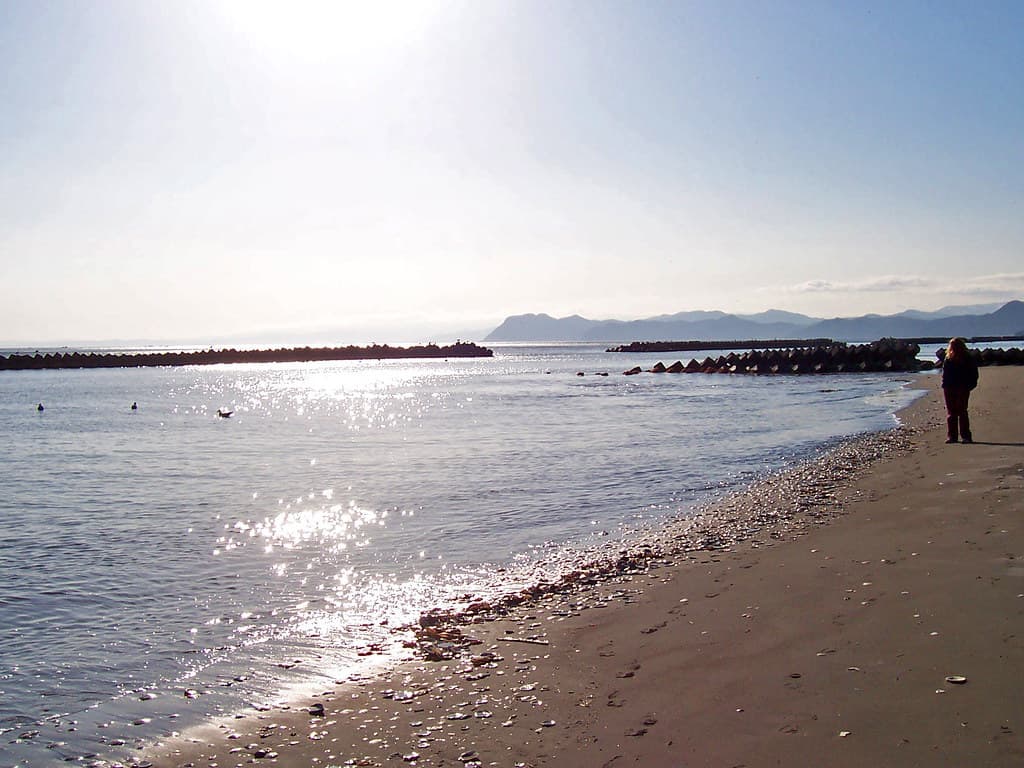
Hokkaido Sunset Beach stretches along Tomamae's northwest coast, a dark-sand crescent flanked by wind turbines spinning lazily against enormous skies. The beach sits beneath low bluffs thick with beach rose and sea grasses that hiss in the constant onshore wind. Most tourists skip this remote stretch of Rumoi Subprefecture entirely, leaving the shore to local fishermen who haul in squid and rockfish from the tumbling surf. The Sea of Japan delivers consistent swells that build offshore reefs before collapsing onto the steep shorebreak. Winter brings powder snow that dusts the sand, transforming the beach into a monochrome study in grey and white. Summer sees warmer water—still bracing at 20°C—and wildflowers crowning the bluffs. Year-round, the beach earns its name: unobstructed western exposure means the sun drops straight into the horizon, backlighting the wind turbines that march along the clifftops. A small parking area and basic facilities serve the handful of visitors who make the drive. The village of Tomamae, five minutes inland, supplies fresh uni and scallops at the morning market. Bring layers; the wind off the Sea of Japan never fully stops, even in August, and the temperature drops sharply once the sun disappears.
Places, rentals, tours and events within walking and driving distance of Hokkaido Sunset Beach.
Photos
Swimming conditions at Hokkaido Sunset Beach vary significantly by season. The Sea of Japan can have strong currents and cold water temperatures, even in summer. During winter months, swimming is not advisable due to frigid conditions. If you plan to swim during warmer months (July-August), check local conditions first and exercise caution. The beach is relatively remote with limited lifeguard presence, so always prioritize safety. Most visitors come primarily for sunset viewing rather than swimming activities.
While Hokkaido Sunset Beach is accessible year-round, each season offers distinct experiences. Summer (June-August) provides the most comfortable weather and later sunset times around 7-8 PM. Autumn (September-October) often delivers crisp, clear skies ideal for vibrant sunset photography. Winter visits offer dramatic seascapes with snow-covered shores, though temperatures drop well below freezing. Spring brings milder weather as snow melts. For optimal sunset viewing, check sunset times in advance and arrive 30-45 minutes early to secure your spot and watch the changing light.
Hokkaido Sunset Beach is located in rural Tomamae, best reached by car. From Sapporo, it's approximately a 2.5-3 hour drive north via Route 231 and Route 232. Public transportation is limited; the nearest train station is Rumoi, still requiring additional local bus or taxi service. Parking is generally available near the beach area, though facilities are basic compared to major tourist beaches. Given the remote location, renting a car is highly recommended for flexibility and convenience, especially if you're timing your visit for sunset.
Tomamae is a small fishing town with limited tourist infrastructure. Basic amenities like convenience stores and local seafood restaurants can be found in the town center, but options directly at the beach are minimal. Public restrooms may be available seasonally. For accommodations, consider staying in nearby Rumoi or Haboro, which offer more hotel and ryokan options. Alternatively, plan this as a day trip from larger cities. Given the remote nature, bringing snacks, water, and any necessary supplies is advisable, especially for sunset visits when businesses may close early.
Hokkaido Sunset Beach's remote location along the Sea of Japan creates an unspoiled sunset viewing experience away from crowds. The western-facing coastline offers unobstructed views of the sun descending into the ocean, with the combination of Hokkaido's clean air and maritime atmosphere producing particularly vivid colors. The beach's 'hidden' status means you'll often have the spectacular views largely to yourself, unlike busier tourist beaches. The dramatic seasonal changes—from summer's golden glow to winter's icy seascapes—offer unique photographic opportunities throughout the year for those willing to make the journey.