Counting the wavesβ¦
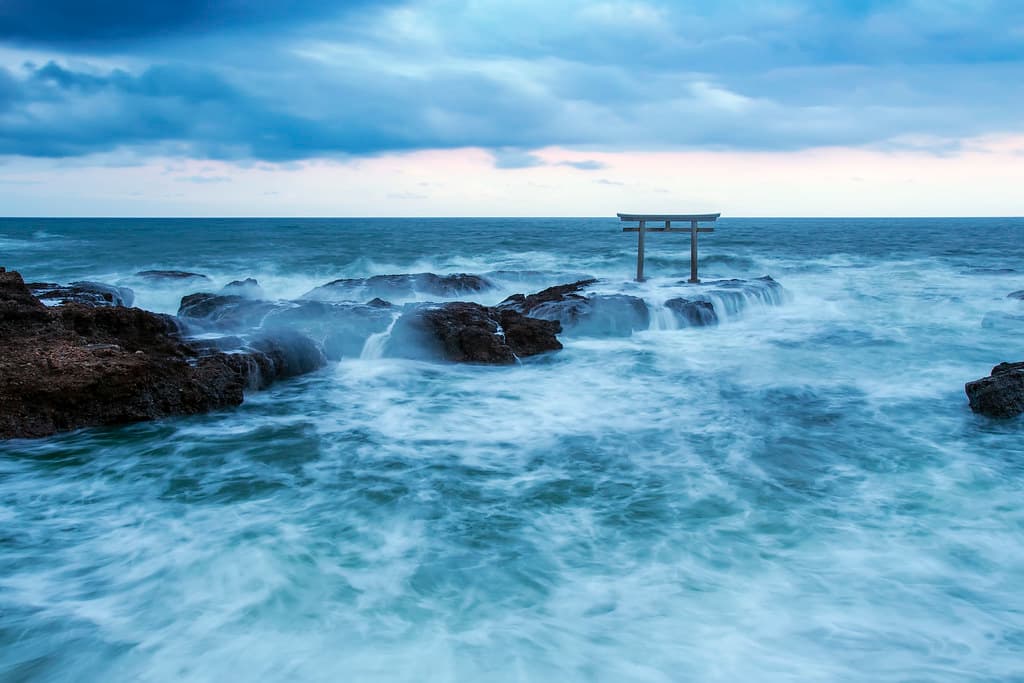
Hiraiso Beach offers a distinct departure from the typical sandy beach experience, inviting visitors to engage with the coast in a more tactile and exploratory way. Its rugged terrain, characterized by dark, weathered rocks and scattered pebbles, speaks to the powerful forces of the Pacific. This isn't a beach for sunbathing, but rather for discovery, where every crevice and rock formation tells a story of erosion and resilience. The true magic of Hiraiso unfolds at low tide. As the ocean recedes, it leaves behind a myriad of tidal pools, each a self-contained ecosystem. Peer into these natural aquariums to spot tiny crabs scuttling across the rocks, anemones swaying gently, and small fish darting between seaweed. Itβs an educational and captivating experience for all ages, offering a glimpse into the hidden life of the intertidal zone. Beyond the tidal pools, Hiraiso Beach provides a tranquil setting for a coastal stroll. The air is crisp, carrying the scent of salt and seaweed, and the sound of waves crashing against the rocks is a constant, soothing presence. For those seeking solitude, dramatic scenery, and a deeper connection with nature, Hiraiso Beach is a hidden gem that rewards curious explorers.
Places, rentals, tours and events within walking and driving distance of Hiraiso Beach.
Photos
Swimming at Hiraiso Beach requires caution due to its rocky nature and tidal conditions. The beach is primarily known for exploring tidal pools rather than swimming. Rocky surfaces can be slippery, and currents may be unpredictable. Always check local conditions before entering the water, wear appropriate footwear to protect your feet from sharp rocks, and be mindful of tide times. The beach is not supervised by lifeguards, so exercise extra caution and avoid swimming alone or in rough conditions.
The best time to visit Hiraiso Beach is during low tide when tidal pools are most accessible for exploration, typically occurring twice daily. Spring and autumn offer comfortable temperatures and fewer crowds compared to summer. Weekdays are generally quieter than weekends. Early morning visits provide peaceful atmosphere and good lighting for photography. Check tide tables before your visit to maximize tidal pool viewing opportunities. The beach offers year-round scenic coastal views, though winter can be quite cold and windy.
From Tokyo, take the JR Joban Line to Katsuta Station in Hitachinaka, which takes approximately 90 minutes. From Katsuta Station, you'll need local transportation such as a taxi or bus to reach Hiraiso Beach, as it's not within easy walking distance. Driving is an alternative option via the Joban Expressway, taking about 90-120 minutes depending on traffic. Having a car provides more flexibility for exploring this and nearby beaches along the Ibaraki coast. Plan your journey in advance as public transport options may be limited.
Hiraiso Beach is relatively undeveloped with limited facilities directly at the beach. Nearby Hitachinaka city offers various dining options including local seafood restaurants and casual eateries within a short drive. For accommodations, consider staying in Hitachinaka or neighboring Oarai, which have business hotels, ryokans, and guesthouses. The larger city of Mito, about 30 minutes away, provides more extensive lodging and dining choices. It's advisable to bring snacks and drinks when visiting the beach as immediate beachfront services are minimal.
Hiraiso Beach's tidal pools are formed by the rocky coastline and offer unique opportunities to observe marine life up close during low tide. Visitors can spot small fish, crabs, sea anemones, and various shellfish in the shallow pools created among the rocks. The pools provide an educational experience, especially for families with children interested in marine biology. The quieter, less commercialized nature of Hiraiso Beach means the tidal pools are often less disturbed than those at busier beaches, creating a more natural exploration experience along this scenic stretch of coastline.