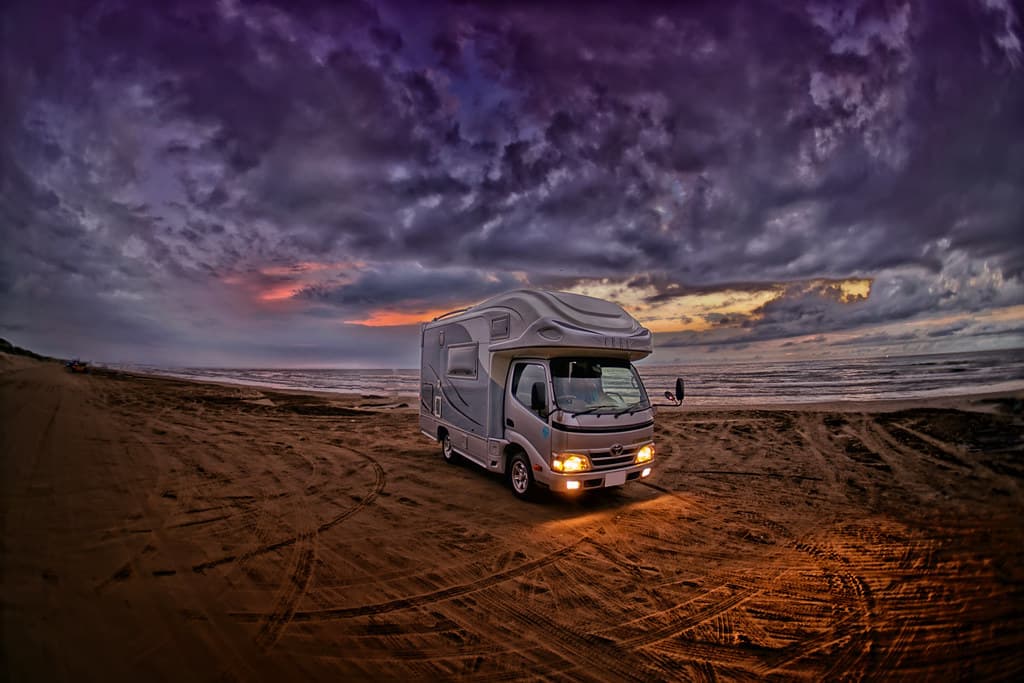
Counting the waves…
Counting the waves…
You'll hear the beach before you see it—waves filtering through the maritime pines that separate sand from the access road. The trees create a natural screen, their twisted trunks shaped by decades of salt wind, and stepping through them feels like passing through a threshold into somewhere deliberately hidden. The sand spreads wide and clean, marked only by driftwood and the occasional rope float lost from fishing operations offshore. Families claim spots in the morning, kids wading out into water so gradual that parents can watch from shore without anxiety. You'll notice how the bottom stays visible even waist-deep, sand ripples casting shadows in the sunlit shallows. Hermit crabs scuttle near the waterline, and small fish dart away from your ankles. The beach curves gently, creating a sense of enclosure despite the open horizon. By late afternoon, the pine shadows lengthen across the sand and the families pack up, leaving behind smoothed patches where beach blankets lay. You might be alone then, or sharing the space with one other group at the far end, their voices carrying across the water but not intruding. The air smells of resin and brine, and when the breeze drops, you'll hear individual needles falling from the pines behind you, a sound like rain that isn't.
Places, rentals, tours and events within walking and driving distance of Oshima Beach.
Photos
Oshima Beach is generally safe for family swimming, offering calm waters and a quiet atmosphere. The remote-feeling location means fewer facilities and potentially limited lifeguard presence, so extra caution is advised. The minimal development contributes to a more natural, less supervised environment. Always check local conditions before entering the water and supervise children closely. The beach's quiet nature means fewer people around for assistance if needed. Its family-friendly tag suggests suitable conditions for children, but the lack of commercial development means you should be self-sufficient regarding safety equipment and first aid supplies.
Oshima Beach can be visited year-round given its 'anytime' designation, though summer months (July-August) are best for swimming with warm weather and calm seas. The beach's remote feeling and minimal development mean it's rarely crowded, making shoulder seasons (May-June, September-October) particularly pleasant for peaceful beach walks and nature appreciation. Spring and autumn offer comfortable temperatures without summer heat. Winter visits are possible for solitary coastal scenery and nature observation, though swimming isn't advisable. The quiet, hidden nature means you'll enjoy tranquility regardless of season, unlike busier tourist beaches.
Oshima Beach is located in Hakui on the Noto Peninsula's western coast. A car is strongly recommended as this remote-feeling beach has limited public transportation. From Kanazawa, drive northwest for approximately 60-70 minutes via Route 8 and local roads. From Hakui city center, local roads lead to the beach. Train service reaches Hakui Station (JR Nanao Line), but you'll need a taxi or rental car for the final journey to the beach. The remote nature and minimal development mean access roads may be less developed than major tourist beaches.
Oshima Beach has minimal facilities due to its quiet, undeveloped character. Food options directly at the beach are likely very limited or nonexistent, so bringing your own supplies is recommended. Hakui city, a short drive away, offers restaurants serving local Japanese cuisine and seafood. For accommodation, Hakui provides business hotels and smaller ryokans, though options are more limited than in Kanazawa. Some visitors may find minshuku (family-run guesthouses) in the area. The beach's remote feeling means planning ahead for meals and lodging is essential for a comfortable visit.
Oshima Beach distinguishes itself through its remote-feeling atmosphere and minimal development, offering an escape from commercialized tourism. The beach maintains a natural, unspoiled character rarely found near more accessible areas. Its quiet nature appeals to those seeking solitude and connection with nature rather than beach amenities and crowds. Located along the scenic Kahoku-Hakui Coast, it provides authentic coastal scenery without tourist infrastructure. The combination of sandy shores, peaceful environment, and undeveloped surroundings creates a back-to-nature beach experience perfect for travelers wanting to experience rural coastal Japan away from popular destinations.