Counting the wavesβ¦
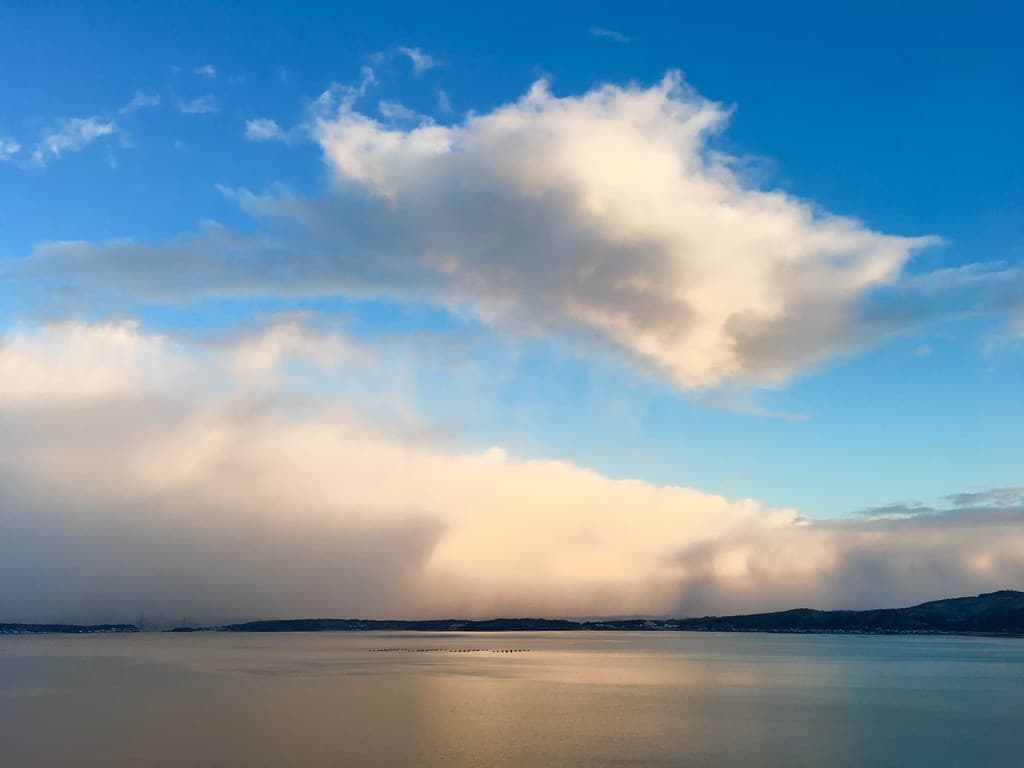
The water at Nanao Bay Beach rises around your ankles in increments so gradual you can walk twenty meters before it reaches your knees. No surf crashes hereβthe bay's embrace filters out the Sea of Japan's moods, leaving behind a surface that dimples rather than swells. Pebbles give way to fine sand as you step deeper, and the coolness seeps upward, a contrast to the humid air pressing down from the forested hills behind the strand. Families colonize the shallows early, staking out patches with vinyl mats and collapsible canopies. Toddlers crouch where the waterline darkens the sand, filling buckets while grandparents wade knee-deep, hands clasped behind their backs. You spread your towel where pine shade reaches the beach at midday, close enough to hear the rhythmic slap of small waves against the concrete tetrapods that guard the eastern point. By late afternoon the bay turns amber, reflecting the ridgeline across the water. You float on your back, ears submerged, listening to the muffled thrum of a passing motorboat. The absence of undertow means you drift only as far as you swim, the shore always an easy return. When you emerge, salt dries on your skin in fine white lines, and the breeze carries the faint brine of drying kelp from the rocks near the parking area.
Places, rentals, tours and events within walking and driving distance of Nanao Bay Beach.
Photos
Nanao Bay Beach is particularly well-suited for families due to its calm, protected waters within the bay. The gentle waves and gradual depth make it safer for children compared to open-ocean beaches. However, parental supervision is always essential as not all areas may have lifeguards. The calm conditions also mean less undertow and current concerns. Check local conditions before visiting, and ensure children stay in shallow areas. The family-friendly reputation makes it a popular choice for those with young swimmers.
Nanao Bay Beach can be enjoyed year-round, though the swimming season runs from June through September when water temperatures are warmest. Summer (July-August) offers the best beach weather but attracts more visitors. Spring and autumn provide pleasant temperatures for walking and relaxation, with fewer crowds. Even winter visits can be scenic for coastal walks, though swimming isn't practical. The calm bay conditions mean the beach is accessible and enjoyable across seasons, unlike rougher coastlines.
Nanao Bay Beach is accessible from Nanao Station, the main railway hub in the area served by JR trains from Kanazawa. From the station, local buses or taxis can take you to various points along the bay shoreline. The exact route depends on which section of the bay beach you're visiting. A rental car offers more flexibility for exploring different beach areas. Journey time from Kanazawa is approximately 90 minutes by train, with additional local transport needed to reach the waterfront.
Nanao city offers various accommodation options including business hotels, ryokan (traditional inns), and guesthouses within a short distance of the bay beaches. The city center has numerous restaurants serving local seafood specialties, including fresh fish from Nanao Bay and the Sea of Japan. Some beachfront areas may have seasonal food stalls or cafes during summer. For the widest selection, head to downtown Nanao where you'll find everything from casual eateries to formal dining establishments.
Nanao Bay Beach's defining feature is its exceptionally calm, sheltered waters created by the bay's protected geography. Unlike Pacific-facing beaches with stronger waves, this makes it ideal for relaxed swimming and families seeking gentle conditions. The scenic backdrop of the Noto Peninsula's hills and the working harbor atmosphere add local character. It's less touristy than famous Japanese beach resorts, offering authentic coastal experiences. The combination of accessibility, calm waters, and genuine local ambiance sets it apart.