
Counting the waves…
Counting the waves…
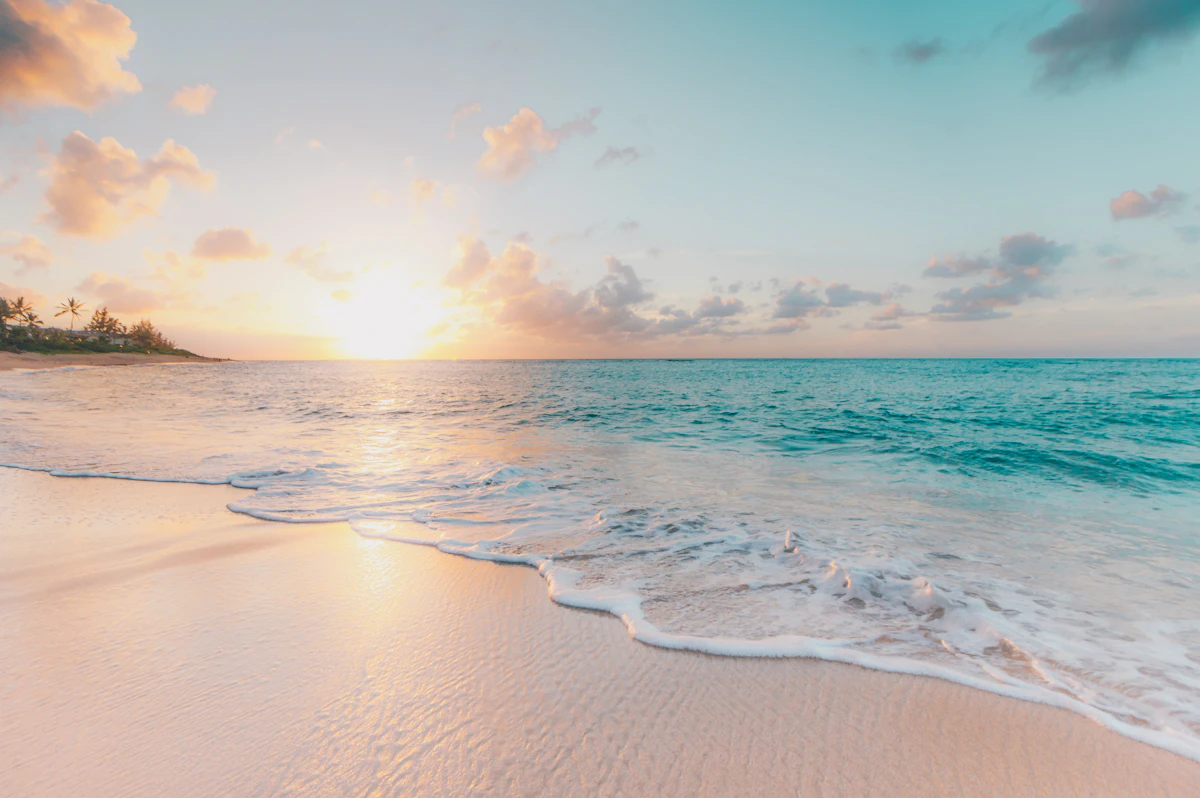
Kaiso maintains the proportions of a neighborhood beach: manageable scale, modest facilities, regulars who return annually to the same sections of sand. The tree line provides natural shade during peak sun hours, and the beach slopes into water shallow enough for wading fifty meters offshore. During summer, a handful of families establish small camps with coolers and shade canopies, while outside the swimming season you might encounter only dog walkers and solo beachcombers. The sand carries a mineral darkness, almost charcoal when wet, lightening to slate gray when dry. It holds heat through the afternoon, warm underfoot even as evening air temperatures cool. Small waves arrive from the west, their energy dissipated by offshore shoals that keep the surf gentle. The water clarity varies with weather patterns—post-storm conditions bring suspended sediment, while calm periods allow visibility to several meters. No lifeguards patrol, no rental concessions operate, no organized activities structure the day. Pine needles mix with sand above the tide line, and resin scent carries on the breeze when temperatures climb. The beach faces open ocean with no islands interrupting the view, just water extending to the horizon. Local teenagers sometimes gather in the evening, and fishing enthusiasts work the edges where rocky substrate begins. The simplicity is deliberate—Shika has chosen not to develop Kaiso beyond basic access, preserving its function as a local amenity rather than destination beach.
Places, rentals, tours and events within walking and driving distance of Kaiso Beach.
Photos
Swimming conditions at Kaiso Beach vary with season and weather. The Sea of Japan can have strong currents and changing conditions, particularly in winter and early spring. During summer months, waters are generally calmer but facilities are minimal, with limited lifeguard presence. Always check local conditions before entering the water, avoid swimming alone, and be cautious of sudden depth changes. The beach's undeveloped nature means emergency services may take longer to reach the area.
Kaiso Beach can be visited year-round, with each season offering different experiences. Summer (July-August) provides warmest weather for swimming and sunbathing. Spring and autumn offer milder temperatures ideal for quiet beach walks with fewer visitors. Winter brings dramatic seascapes but cold winds from the Sea of Japan. The beach's minimal development means it retains natural beauty throughout the year, though amenities remain limited regardless of season. Weekdays are quieter than weekends.
Kaiso Beach is most easily reached by car, located along the western coast of the Noto Peninsula in Shika town. From Kanazawa, drive approximately 60-90 minutes via Route 249 along the coast. Public transportation is limited in this rural area, though local buses run from Hakui Station to Shika. Rental cars are recommended for exploring the Noto Peninsula's coastal areas. Parking is typically available near the beach, though facilities are basic given the location's undeveloped character.
Accommodation and dining options near Kaiso Beach are limited due to its remote, undeveloped location. The nearby town of Shika offers some small guesthouses, minshuku (Japanese homestays), and local restaurants serving regional seafood. More extensive options are available in larger towns like Hakui or Nanao, within 30-45 minutes' drive. Many visitors choose to stay in Kanazawa and day-trip to the area. Bringing supplies is advisable as beachside facilities and convenience stores are scarce along this quiet coastal stretch.
Kaiso Beach stands out for its uncommercialised, natural character along the Noto Peninsula's outer coast. Unlike more developed beaches, it retains a pristine, quiet atmosphere with minimal tourist infrastructure, making it ideal for those seeking solitude and authentic coastal nature. The sandy stretch offers unobstructed views of the Sea of Japan without crowds or modern development. Its hidden status means you'll likely have large portions of beach to yourself, particularly on weekdays, providing a peaceful escape from busier tourist destinations.