
Counting the waves…
Counting the waves…

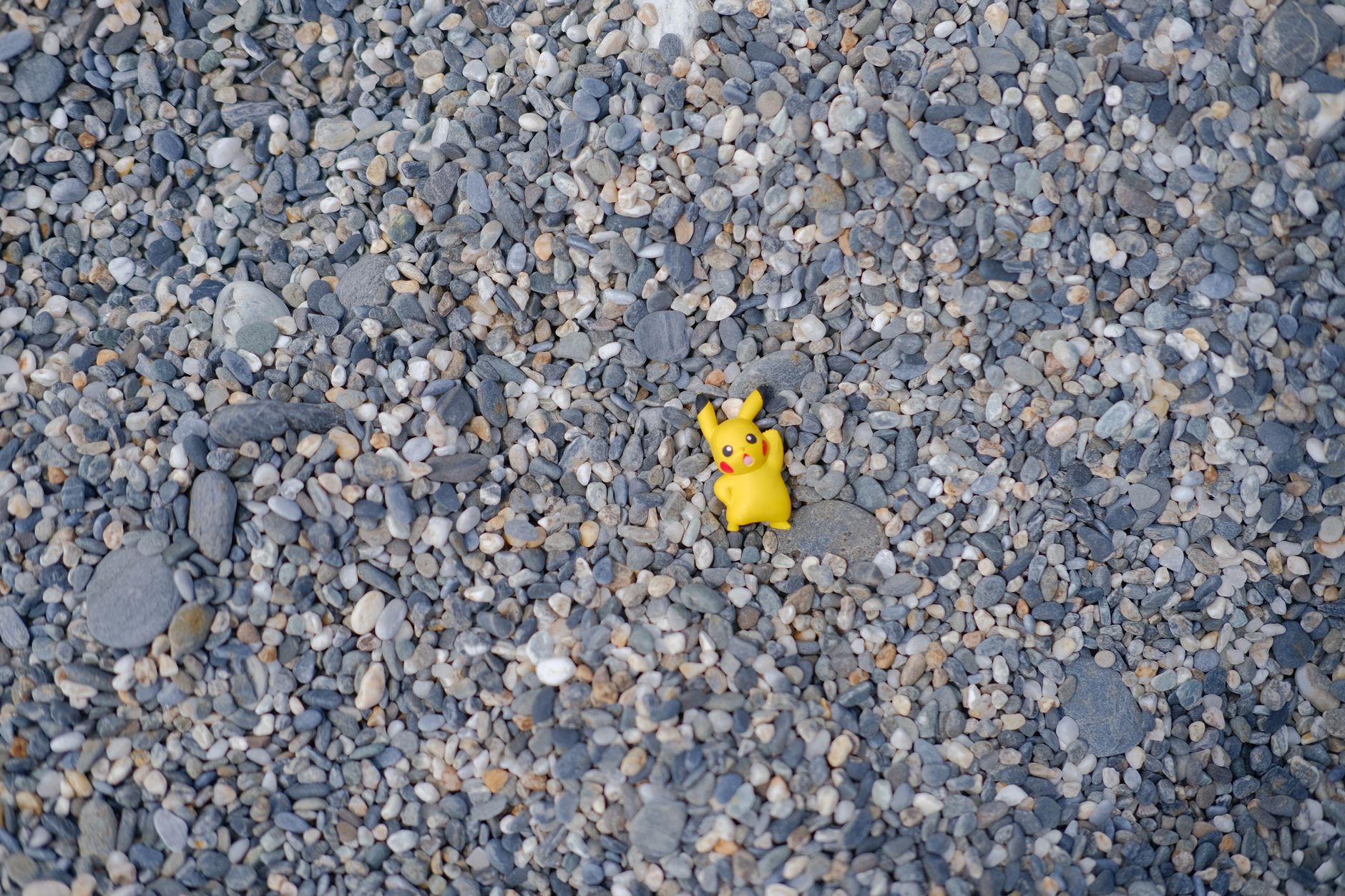
The beach announces itself through sound: waves pulling pebbles create a constant percussion that drowns out conversation. Stones range from olive-gray to rust-brown, polished smooth by decades of tidal movement. You'll walk carefully, each step requiring balance as the rocks shift beneath your weight. Driftwood logs, bleached white by salt and sun, mark the high-tide line alongside tangles of kelp that smell of brine and iodine. Fishing floats in faded orange and blue dot the shoreline, escaped from nets and carried here by currents from unknown distances. The handful of locals who use this beach arrive in pickup trucks, unloading coolers and tackle boxes without ceremony. They nod but don't linger for small talk, focused on checking crab pots or gathering seaweed from the rocks. Pine-covered headlands frame both ends of the beach, their dark green silhouettes stark against the pale sky. In winter, wind races across the water unobstructed, sharp enough to make your eyes water. Summer brings calmer days when the stone-rattle softens to a gentle clicking and you can actually spread a towel among the pebbles, though comfort remains negotiable.
Places, rentals, tours and events within walking and driving distance of Omoto North Pebble Beach.
Photos
As a local-use pebble beach without formal facilities or lifeguard services, swimming here requires caution and self-reliance. Water conditions on the Iwate coast can be unpredictable, with cold currents year-round and potential for sudden weather changes. The pebble surface makes entry more challenging than sandy beaches. Only swim if you're a confident swimmer, conditions are calm, and ideally with a companion. Always check local weather and sea conditions before entering the water.
This beach is accessible year-round, though comfort levels vary significantly by season. Summer (July-August) offers the warmest weather but water remains cool. Spring and autumn provide pleasant temperatures for beach walks and photography with fewer visitors. The lack of crowds means you can visit anytime without peak-season pressure. Early mornings and late afternoons offer beautiful coastal light. Winter visits are possible for dramatic seascapes but bring warm clothing against strong coastal winds.
Omoto is located in Iwaizumi town on the Iwate coast. Access is easiest by car via coastal Route 45 or mountain roads from inland Iwaizumi. Public transportation to this remote area is limited; check local bus schedules in advance as services may be infrequent. From the nearest road access, a short walk on coastal paths may be required. GPS coordinates help, but asking locals for directions is advisable as signage may be minimal or Japanese-only.
Iwaizumi town offers modest accommodation including small hotels, minshuku, and guesthouses featuring local hospitality. Dining options focus on regional seafood and mountain vegetables, though choices are limited. The area is known for short-horned beef and fresh coastal catches. Convenience stores provide basic supplies. This rural location means amenities are basic; larger facilities are found in regional centers like Miyako. Advance booking is wise, particularly during summer or local festival periods.
This beach offers an authentic local coastal experience away from tourist circuits. As a local-use beach, it provides insight into everyday coastal life in rural Iwate. The pebble composition creates a distinctive beach environment with unique sounds and textures compared to sandy shores. Its low-key nature means genuine tranquility and connection with the Sanriku Coast's natural character. The beach reflects traditional coastal living patterns, offering cultural authenticity rarely found at developed tourist beaches.