
Counting the waves…
Counting the waves…
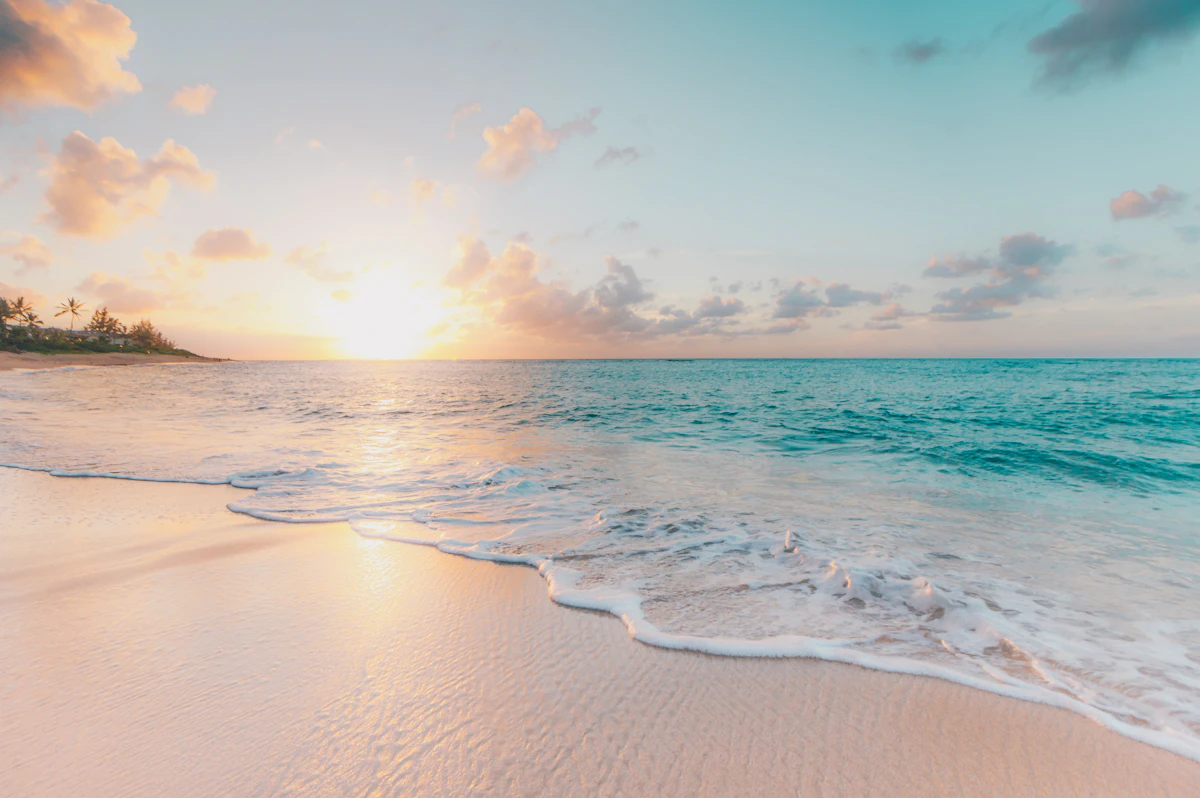
The beach emerges between forested headlands, a narrow crescent of coarse sand and wave-sorted pebbles backed by dunes that support beach pea and rugosa roses. No buildings interrupt the sightline in either direction; the nearest structure sits two kilometers south where a seasonal fisherman's hut molders into picturesque collapse. Driftwood accumulates in artistic tangles—entire trees stripped of bark, bleached silver by sun and salt, wedged between boulders. The water shifts between jade and slate depending on depth and cloud cover, transparent enough in the shallows to watch flounders bury themselves in rippled sand. Offshore, a procession of sea stacks rises from the surf zone, their surfaces whitewashed with bird droppings and crowned with tenacious pines. The largest formation supports a torii gate installed by fishermen generations ago, now leaning at an angle that suggests the next typhoon might claim it. Tide pools scattered across the rocky margins teem with hermit crabs, chitons clinging to stone, and occasional octopuses that flee in clouds of ink when your shadow crosses their refuges. The soundscape consists entirely of natural elements: wave percussion, wind through the pines, corvids arguing in the canopy. On weekdays you might have the entire beach to yourself, your footprints in the sand the only evidence of human presence until the next high tide erases them.
Places, rentals, tours and events within walking and driving distance of Hiraniwa Coast Beach.
Photos
Swimming at Hiraniwa Coast Beach should be approached with caution due to its rocky nature and untouched character. The beach lacks developed facilities and likely has no lifeguard services. Strong currents and waves typical of the Sanriku coast require careful assessment before entering the water. Protective footwear is essential due to rocky terrain. The beach is better suited for wading, tidepool exploration, and scenic appreciation rather than extended swimming. Always check weather and ocean conditions, avoid swimming alone, and stay alert to changing tides.
The best weather period from late spring through early autumn (May-October) provides optimal conditions for enjoying Hiraniwa Coast Beach's untouched beauty. Summer offers the warmest temperatures and calmest seas, while spring and autumn feature dramatic skies and excellent photography light with fewer visitors. Clear days are essential for maximizing ocean views that make this beach special. Early morning visits often provide the most peaceful atmosphere and best light. Winter visits are possible but prioritize scenery over beach activities.
Hiraniwa Coast Beach is accessible from Kuji city by car, taxi, or potentially limited bus service. Driving typically takes 15-30 minutes depending on the exact coastal location. Rental cars offer the best flexibility for exploring this and other northern Iwate beaches. Local buses may operate along coastal routes, but schedules can be infrequent—verify times at Kuji Station or tourist information. Taxis are available but may be expensive for round trips. GPS navigation helps, though local advice on current road conditions is valuable.
Kuji city serves as the primary base for accommodation and dining, located approximately 15-30 minutes from Hiraniwa Coast Beach. The city offers various lodging including business hotels, minshuku, and ryokan. Kuji's restaurants specialize in fresh seafood, particularly the region's famous uni when in season, along with other local Iwate specialties. The beach itself has minimal or no facilities, so pack food, water, and supplies. Plan meals in Kuji before or after your visit to this untouched coastal location.
Hiraniwa Coast Beach represents the pristine, undeveloped character of the northern Sanriku coastline. Its untouched nature means minimal human intervention, showcasing the raw coastal landscape as shaped by natural forces. The lack of development provides authentic ocean views unmarred by commercial infrastructure, appealing to those seeking genuine natural experiences. This pristine quality distinguishes it from more developed beaches, offering tranquility and a sense of discovery. The beach rewards visitors who appreciate unspoiled coastal beauty and are willing to forgo modern beach amenities.