
Counting the waves…
Counting the waves…
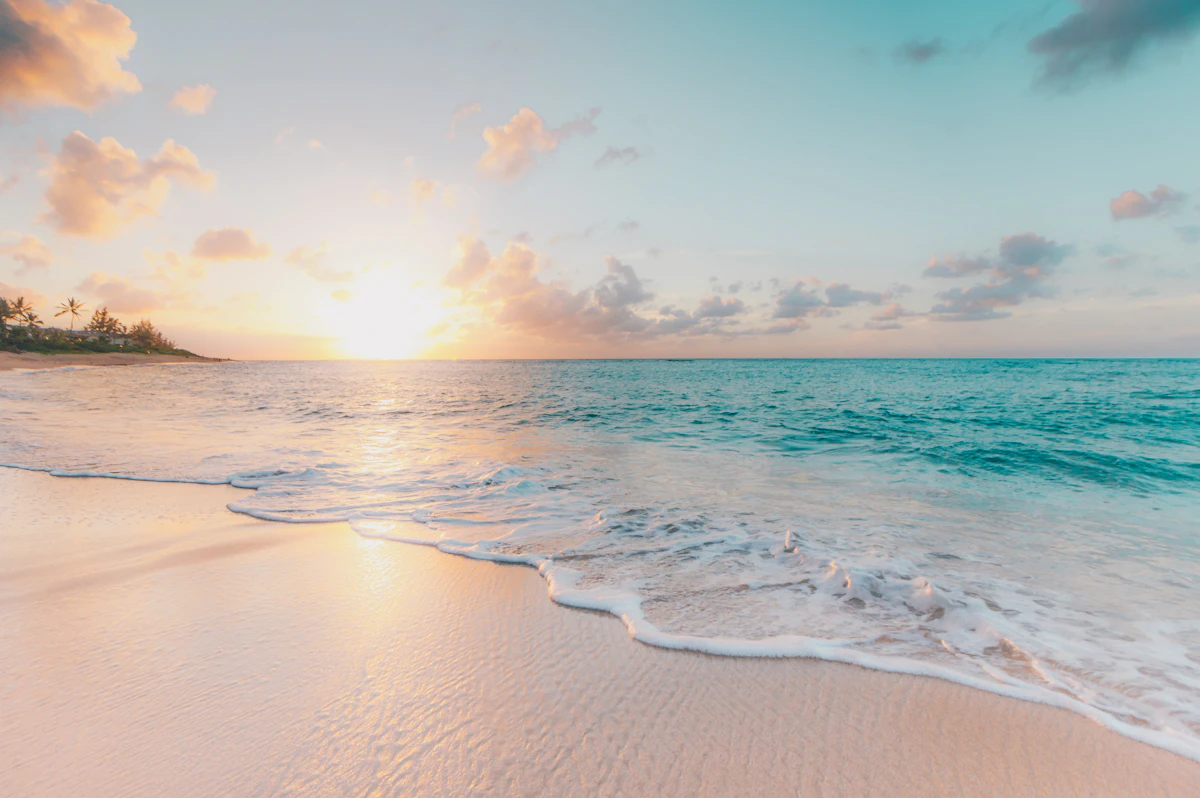
Your feet will notice the difference immediately after days on pebble beaches. The sand compresses and springs back with each step, fine enough to show individual footprints but coarse enough to avoid the sticky qualities of tropical beaches. Kneel down and you can identify the components—bleached shell fragments, tiny coral pieces worn smooth, the occasional grain of clear quartz that catches sunlight. This beach doesn't match the rest of the Iwate coast, a fact that makes it feel both displaced and special. The cove sits at the base of cliffs that rise forty meters, their dark basalt faces striped with mineral deposits that trace old water channels. A gap in the northern headland is just wide enough for ocean swells to enter, but the cove's shape diffuses their energy by the time waves reach the shore. During calm conditions, the water takes on a blue-green color several shades lighter than the deep Pacific beyond the entrance—the white sand bottom reflecting sunlight back through the water column. Local tradition holds that couples who visit together will return to marry, a belief that keeps the small shrine above the beach supplied with offerings despite its remote location. The shrine's caretaker lives in the nearest village and hikes in weekly to sweep the path and replace wilted flowers. Bamboo grows thick behind the beach, creating a natural screen that blocks wind and provides the rustling soundtrack that fills the gaps between waves. At high tide, the beach shrinks to a ribbon barely ten meters wide; at low water, it extends thirty meters from the cliff base to the waterline.
Places, rentals, tours and events within walking and driving distance of Shirahama Hidden Cove.
Photos
Swimming conditions at this tucked-away cove vary with weather and tide. The sheltered nature of the cove can provide calmer waters than exposed beaches, but there are no lifeguards on duty. Check local weather forecasts before visiting, avoid swimming alone, and be cautious of changing tides and currents. The rocky seabed and limited facilities mean you should bring appropriate water shoes and exercise caution. Always inform someone of your plans when visiting remote beaches.
For fewer crowds, visit during weekdays or shoulder seasons like May-June and September-October. Summer (July-August) offers the warmest weather but attracts more visitors. Early morning hours provide the most peaceful experience regardless of season. The cove's sheltered position makes it accessible year-round, though winter visits are best for scenery rather than swimming. Avoid visiting during typhoon season or when rough weather is forecast along the Sanriku coast.
From Miyako Station, local transportation options are limited due to the cove's hidden nature. A rental car or taxi is recommended for accessing this remote location. The journey typically involves driving along coastal roads followed by a short walk. Public buses serve the broader Miyako area but may not reach the immediate vicinity. Plan for approximately 20-30 minutes of travel time from central Miyako, and consider using GPS coordinates or asking locals for specific directions.
Being a hidden cove, facilities directly at the beach are minimal to nonexistent. Miyako city center, roughly 20-30 minutes away, offers various accommodations including hotels, ryokan, and guesthouses. Restaurants serving fresh seafood and local Iwate cuisine are concentrated in the town center. It's advisable to bring your own food, drinks, and supplies when visiting the cove. Plan to return to Miyako for meals and overnight stays, making this a day-trip destination.
The cove's primary appeal is its secluded, tucked-away character offering an escape from busier tourist beaches. Its hidden nature means you may have the entire cove to yourself, especially during off-peak times. The intimate setting provides a more private beach experience compared to larger, more accessible beaches in the Miyako region. The sense of discovery and tranquility makes it special for those willing to seek it out, though accessibility requires more effort than mainstream beaches.