Counting the waves…
Counting the waves…
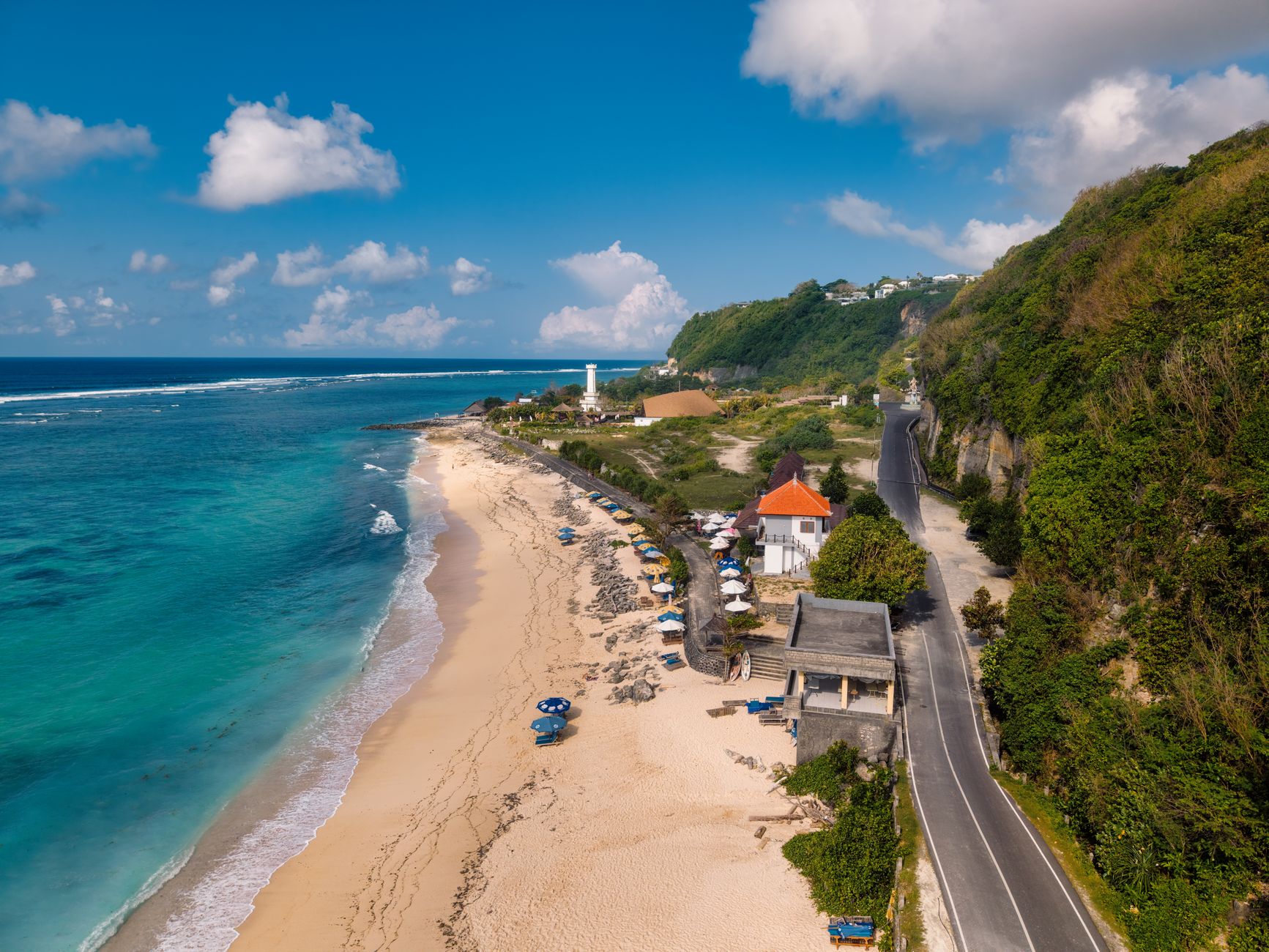
The path isn't marked—locals will point toward a gap between two boulders where the descent begins. You'll use the rope bolted into rock, your feet finding holds that generations of fishermen have used. Twenty meters down, the trail levels and the cove reveals itself: a small amphitheater where the ocean enters through a narrow throat, its violence transformed into gentle surges. Pebbles rattle with each wave's retreat, a sound like distant applause. The stones here are palm-sized, smoothed by endless tumbling, striped with white quartz veins and rust-colored iron deposits. Above, the rock walls curve protectively, their faces studded with barnacles and mussels in the splash zone. A fresh water seep keeps one section perpetually dark and dripping, ferns clinging to the moisture. You'll likely have the cove to yourself except during low tide, when locals descend to harvest seaweed from the rocks or check small crab traps wedged into crevices. They'll nod politely, surprised to see visitors who found this place. The ocean here sounds different—contained, almost conversational rather than the open coast's roar. The walls concentrate every echo, turn each wave into a voice.
Places, rentals, tours and events within walking and driving distance of Noda Hidden Cove.
Photos
Swimming conditions at Noda Hidden Cove vary depending on weather and tides. As a small cove formation, it may offer some protection from open ocean currents, but caution is still essential. The rocky bottom and potential for sudden waves require careful assessment before entering the water. There are typically no lifeguards or facilities at this hidden location. Always check tide schedules, wear protective footwear, never swim alone, and avoid entering the water during rough conditions or if you're unfamiliar with the area.
Noda Hidden Cove lives up to its name by naturally having fewer visitors than more accessible beaches. For the most solitude, visit during weekdays or outside of Japanese national holidays, particularly Golden Week and Obon. Early morning or late afternoon on any day typically sees the fewest people. The shoulder seasons of late spring (May-June) and early autumn (September-October) offer pleasant weather with minimal crowds. The cove's remote location and limited accessibility mean it rarely experiences significant crowding even during peak summer months.
Reaching Noda Hidden Cove can be challenging due to its hidden nature and remote location in Noda village. A rental car is virtually essential for access. Local knowledge or GPS coordinates are helpful, as signage may be limited. Depending on the specific cove location, you may need to walk on uneven coastal paths or navigate rocky terrain. The journey is part of the adventure but requires proper footwear and physical fitness. Consider asking at local accommodations or the Noda tourism office for specific directions and access advice.
Noda village has limited but authentic accommodation options, primarily consisting of small minshuku (family-run guesthouses) and a few ryokan that offer home-cooked meals featuring local seafood. Dining options are basic, with a handful of local restaurants serving regional specialties. For more variety, Kuji city is approximately 30-40 minutes away by car and offers additional hotels and restaurants. Many visitors pack their own food and drinks when exploring hidden coastal areas, as facilities directly near secluded coves are virtually nonexistent.
Noda Hidden Cove offers an intimate coastal experience characterized by small-scale cove formations tucked along the Noda coastline. Unlike larger, more developed beaches, these hidden spots provide a sense of discovery and seclusion rarely found at mainstream destinations. The geological formations create protected pockets along the rocky shore, offering unique perspectives of the Sanriku coast. The cove's hidden nature means pristine conditions and authentic encounters with the raw coastal environment, appealing to adventurous travelers seeking off-the-beaten-path experiences.