Counting the waves…
Counting the waves…
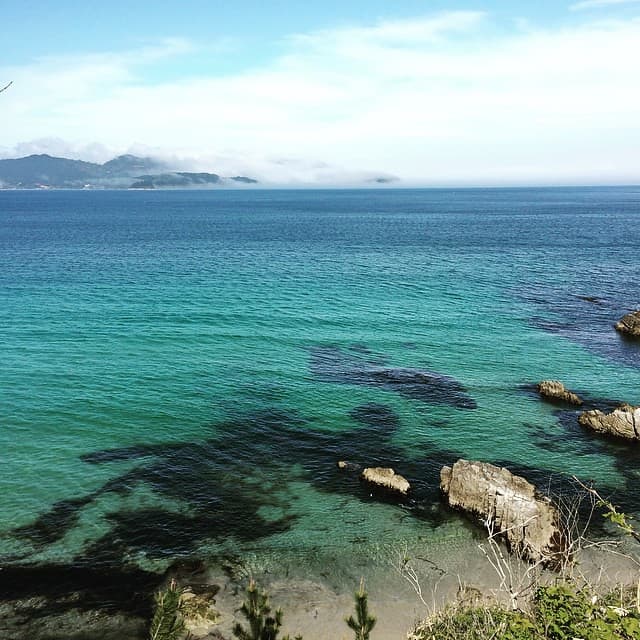
The approach drops you past a community center and a row of blue-tarped fishing equipment, then opens onto a beach that refuses to announce itself. Akahama's sand holds a rust-orange tint, darkening where the tide has just retreated, and the gradient is so gradual that the waterline seems to shift by meters between morning and afternoon. Black pine groves anchor the backshore, their roots gripping the dunes that absorbed the 2011 tsunami's force. You'll notice the absence of commercial infrastructure—no rental huts, no loudspeakers, just a weathered bench and a hand-painted sign identifying the shore. Locals arrive in pickup trucks, unload coolers, and claim spots beneath the pines without ceremony. The water stays shallow for thirty meters, turning from amber-tinged to slate-grey as the bay deepens. The eastern headland shelters a cluster of rocks where cormorants dry their wings at low tide, and the western point marks the boundary of Otsuchi's working harbor. Between them, you have a stretch that belongs to the rhythm of fishing schedules and the town's quiet reconstruction. The sand crunches underfoot—tiny shell fragments mixed with volcanic grit—and the wind off the Pacific carries brine and pine resin in equal measure.
Places, rentals, tours and events within walking and driving distance of Akahama Hidden Shore.
Photos
Swimming conditions vary with weather and season along this quiet shoreline. The beach is relatively sheltered, but always check local conditions before entering the water. There are no lifeguards on duty, so exercise caution and swim at your own risk. Pay attention to current patterns and avoid swimming alone. During typhoon season or after heavy weather, waves and currents can be unpredictable. The sandy bottom makes entry easier than rocky beaches, but be mindful of changing tides.
Akahama can be visited year-round, offering different experiences each season. Summer months (July-August) provide warmest water temperatures for swimming. Spring and autumn offer milder weather with fewer visitors, ideal for peaceful walks and photography. Winter visits appeal to those seeking solitude and dramatic coastal scenery. The beach's hidden nature means it remains relatively quiet even during peak tourist seasons. Early morning visits provide the most serene atmosphere regardless of season.
Reaching Akahama requires navigating to Otsuchi town in Iwate Prefecture. From major cities, take the JR Yamada Line or bus services to Otsuchi Station. From there, local transportation options are limited, so renting a car is advisable for beach access. The beach's hidden nature means signage may be minimal; GPS coordinates or detailed maps are recommended. Roads in this coastal area were rebuilt after the 2011 tsunami. Allow extra travel time and consider asking locals for specific directions.
Otsuchi town offers basic dining and lodging options, though choices near the beach itself are limited due to its secluded location. Local guesthouses and minshuku (family-run inns) provide authentic experiences with home-cooked meals featuring fresh seafood. Small restaurants in Otsuchi serve regional specialties. For more extensive dining and hotel options, consider staying in nearby larger towns like Kamaishi. Pack snacks and water when visiting the beach, as facilities directly on-site are minimal or non-existent.
Akahama's defining feature is its secluded, off-the-beaten-path character. Unlike developed tourist beaches, this quiet shoreline offers genuine solitude and an unspoiled coastal experience. The sandy beach is less common along this predominantly rocky coastline, providing softer terrain for walking and relaxing. Its hidden location means minimal crowds year-round, appealing to travelers seeking peaceful contemplation and connection with nature. The surrounding landscape reflects the authentic character of rural Iwate coastal communities, offering cultural immersion alongside natural beauty.