Counting the wavesβ¦
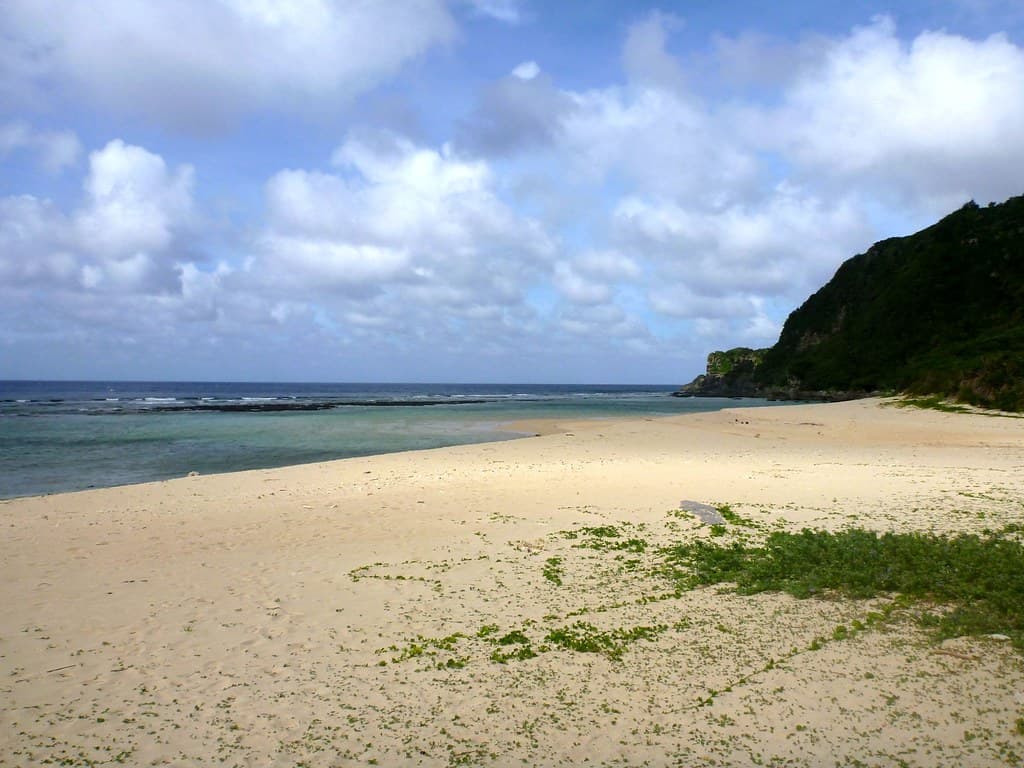
Yakomo Beach, a jewel on Okinoerabu, offers an intimate encounter with the ocean's gentle side. The sand here is a fine, pale powder, cushioning your steps as you approach the water's edge. This isn't a beach for crashing waves or dramatic cliffs; instead, it's a sanctuary of serenity, where the loudest sound is the whisper of the tide against the shore. The true magic of Yakomo lies in its underwater landscape. Don a mask and snorkel, and you'll discover a world teeming with life. Schools of iridescent fish dart between coral formations, their colors amplified by the sun's penetration through the unblemished water. The clarity is so profound, you can often spot the intricate patterns of the seabed from above. Ideal for those seeking a tranquil escape, Yakomo Beach provides an effortless entry into the marine realm. The consistent shallowness makes it perfect for novice snorkelers and families, allowing everyone to witness the ocean's vibrant tapestry without venturing into deep waters. It's a place where the boundary between land and sea blurs, inviting you to become part of its peaceful rhythm.
Places, rentals, tours and events within walking and driving distance of Yakomo Beach.
Photos
Yakomo Beach is generally safe for swimming and snorkeling thanks to its shallow, calm waters protected from strong currents. The clear conditions make it easy to see the sea floor and marine life, ideal for families and beginner snorkelers. However, there are typically no lifeguards on duty, so swimmers should remain vigilant. Check weather and tide conditions before entering the water. Wear reef-safe shoes to protect against sharp coral or rocks. During rough weather or high winds, conditions can deteriorate quickly. Always snorkel with a buddy and stay aware of your surroundings.
The best snorkeling season at Yakomo Beach runs from May through October when water temperatures are warm, visibility is excellent, and weather is generally stable. July and August offer peak conditions but attract more visitors. June and September provide ideal combinations of good visibility, comfortable temperatures, and fewer crowds. Water clarity is typically best on calm, sunny days during incoming or high tide. Morning hours often provide the calmest conditions and best light for observing marine life. Avoid visiting during typhoon season peaks or winter months when water temperatures drop and visibility decreases.
To reach Yakomo Beach, first travel to Okinoerabu Island via flight from Kagoshima, Okinawa, or Amami Oshima, or by ferry from neighboring islands. Renting a car at the airport or main town is essential, as public transportation to beaches is extremely limited. The beach is accessible via island roads, and GPS navigation is helpful though coverage may vary. Rental car agencies are available at the airport and in main population centers. The island is relatively small, making most destinations reachable within a short drive, but roads can be narrow in coastal areas.
Yakomo Beach has basic facilities but remains relatively undeveloped compared to urban beaches. Amenities may include parking areas and possibly restrooms, but services vary seasonally. There are no major restaurants or shops directly at the beach, so bringing your own supplies is advisable. Accommodations on Okinoerabu Island are concentrated in the main town areas, including small hotels, guesthouses, and traditional minshuku inns. Local restaurants serve regional Japanese and island cuisine. It's recommended to stock up on snorkeling gear, drinks, and snacks before heading to the beach for the day.
Yakomo Beach's clear shallow waters host diverse marine life typical of subtropical Japanese coral reefs. Snorkelers commonly observe colorful tropical fish including butterflyfish, damselfish, and wrasses swimming among coral formations. Sea turtles occasionally visit the area, though sightings aren't guaranteed. The shallow depth and excellent visibility make it easy to spot smaller creatures like sea cucumbers and various invertebrates on the sandy bottom. Coral formations, while present, may vary in health and coverage. The calm conditions make Yakomo particularly suitable for taking time to observe marine ecosystems without fighting currents or waves.