Counting the waves…
Counting the waves…
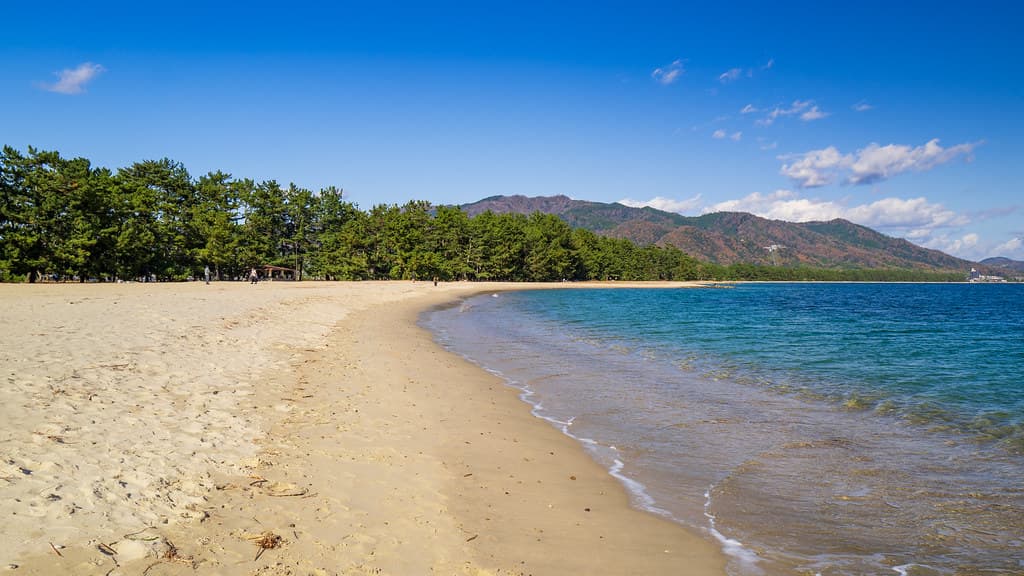
The sandbar materializes from Miyazu Bay like something drawn by a calligrapher—a three-kilometer stroke of white sand connecting two shores. You begin your walk at the southern end where the sand starts, pine roots creating a maze at the waterline. The trees here grow in sculptural contortions, branches bent horizontal by decades of wind, their trunks thick with age. White sand paths wind between them, wide enough for two to walk abreast, cushioned underfoot with fallen pine needles that release their resinous scent when crushed. On your left, the bay side, water the color of jade laps against a beach of fine white sand. On your right, barely fifty meters across the sandbar, waves from the Aso Sea roll in with more force, their blue darker and colder. The visual dissonance of being surrounded by water on both sides creates an odd sensation—you're walking a tightrope between two different seas. Wind moves constantly through the pine canopy, creating a sound like distant conversation. Tourists cluster near both ends where roads provide access, cameras aimed at the same Instagram-famous angles, but the middle kilometer sees far fewer visitors. Here you'll find weathered stone markers, small shrines tucked between pine trunks, and benches placed where the view opens across either expanse of water. The sand stays remarkably white despite the foot traffic, regularly refreshed by tides that occasionally wash completely over the narrowest sections during typhoon season.
Places, rentals, tours and events within walking and driving distance of Amanohashidate Beach.
Photos
Swimming is permitted at designated areas along Amanohashidate Beach during the summer season, typically from mid-July through August. However, this iconic sandbar is primarily famous as a scenic viewpoint rather than a swimming destination. The beach has sandy areas suitable for wading and enjoying the water, but strong currents can occur in the channel areas. Always observe posted signs and local guidance regarding safe swimming zones. Many visitors come primarily to walk the sandbar, photograph the pine trees, and admire the scenery rather than swim. The calm bay side generally offers safer conditions than the channel side.
The best weather for visiting is during summer months from July to September when conditions are warm and clear, ideal for photography and beach activities. However, spring and autumn offer comfortable temperatures, fewer crowds, and beautiful seasonal scenery with cherry blossoms or autumn colors framing the iconic pines. Winter can be cold but offers dramatic, moody landscapes for photography enthusiasts. The famous sandbar is accessible year-round for walking. For the classic Instagram-worthy shots with blue skies and water, aim for summer. Visit early morning or late afternoon for the best lighting and fewer tourists during peak season.
Amanohashidate is accessible via Amanohashidate Station on the Kyoto Tango Railway. Limited express trains run from Kyoto Station, taking approximately two hours. From Osaka, you'll need to transfer trains, with total travel time around three hours. The iconic sandbar beach is walkable from the station. You can also reach it by local bus or bicycle rental available near the station. For a scenic approach, consider taking the sightseeing boat across Miyazu Bay. Having a car allows flexibility to explore viewpoints at both ends of the sandbar, though parking can be limited during peak season.
The Amanohashidate area offers numerous accommodations ranging from traditional ryokan to modern hotels and guesthouses, located at both ends of the sandbar. Many ryokan serve kaiseki meals featuring local seafood. Restaurants near the beach specialize in fresh fish, shellfish, and regional Kyoto cuisine. The Monju area at one end has more dining options including casual cafes and seafood restaurants. Souvenir shops sell local snacks and refreshments. During peak season, advance reservations are essential for both dining and lodging. Staying overnight allows you to experience the sandbar at different times of day with varying light and fewer crowds.
Amanohashidate is designated one of Japan's Three Most Scenic Views, featuring a stunning 3.6-kilometer pine-covered sandbar that appears to bridge heaven and earth. The iconic white sand beach dotted with approximately 8,000 pine trees creates an extraordinarily photogenic landscape. Visitors traditionally view it upside-down by bending over and looking through their legs, making it appear to float in the sky. This unique natural formation, shaped over thousands of years, offers unparalleled Instagram opportunities. The combination of pristine white sand, sculptural pine trees, and bay views creates a scene celebrated in Japanese art and poetry for centuries, making it culturally and visually exceptional.