Counting the wavesβ¦

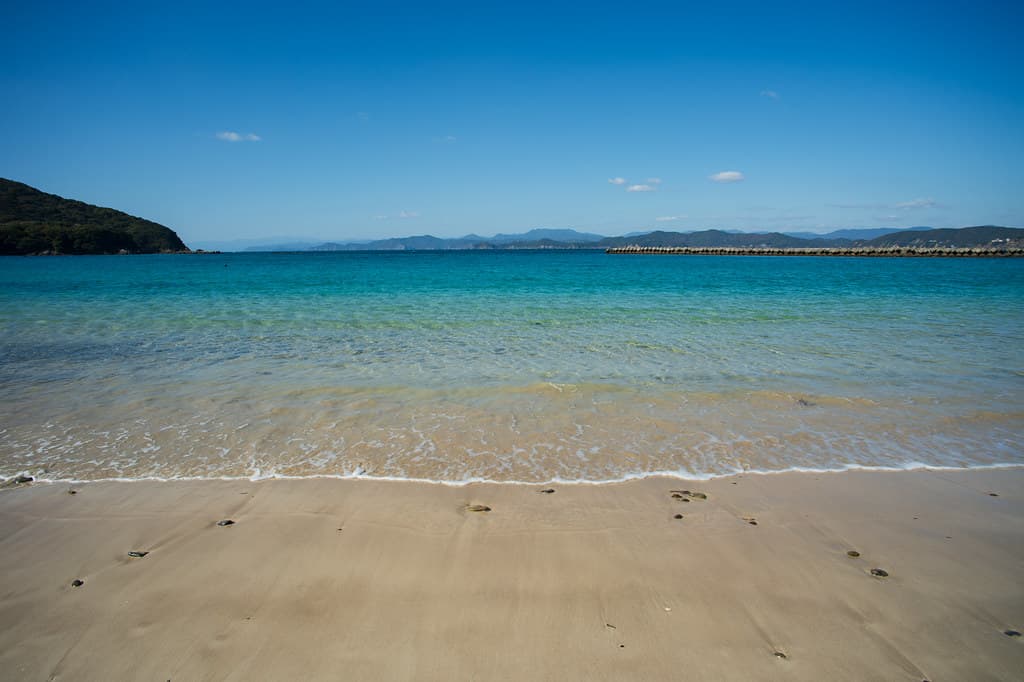
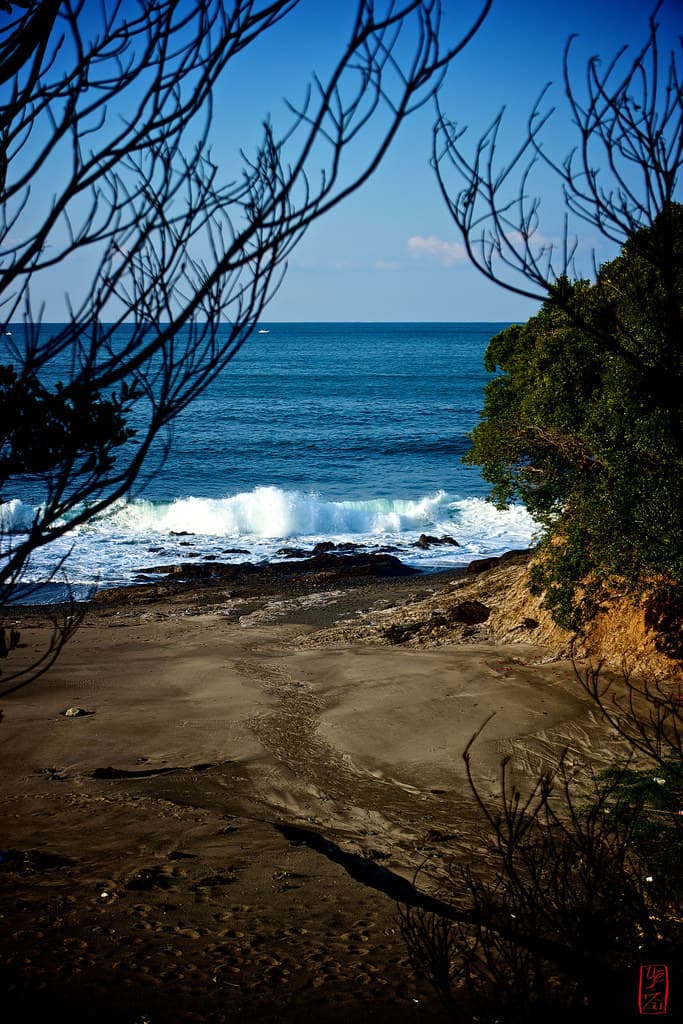
Kihoku Boundary Beach isn't your typical sandy escape; it's a rugged, compelling landscape where the land meets the sea in a dramatic embrace of stone and surf. This transitional zone marks the shift from the gentler bays of Minamiise to the more formidable, craggy coastline of the Kihoku region. Here, the shoreline is dominated by ancient rock formations, sculpted by centuries of ocean waves, creating a powerful and raw aesthetic. The air at Kihoku Boundary Beach carries the invigorating scent of salt and sea spray, and the sound of waves crashing against the rocks is a constant, rhythmic presence. It's a place for exploration, for clambering over smooth stones, discovering tide pools teeming with marine life, and feeling the sheer power of the Pacific. While not ideal for sunbathing, it offers a profound connection to nature's wilder side, a stark beauty that is both humbling and inspiring. As evening approaches, the beach transforms into a prime location for sunset viewing. The sun dips below the horizon, casting long shadows over the rocks and painting the sky in fiery hues, reflecting off the wet surfaces of the stones. Kihoku Boundary Beach is for the adventurer, the photographer, and anyone who appreciates the untamed spirit of Japan's dramatic coastline, offering a truly unique and memorable experience.
Places, rentals, tours and events within walking and driving distance of Kihoku Boundary Beach.
Photos
Kihoku Boundary Beach is primarily a scenic coastal area rather than a traditional swimming beach, with its rocky nature making it less ideal for conventional beach swimming. The transitional stretch toward the rugged Kihoku coastline features interesting rock formations and tidal areas but lacks sandy entry points. Visitors can wade in calm areas during favorable conditions, but this spot is better appreciated for coastal walks, photography, and enjoying the dramatic scenery. Always exercise caution around rocky shores, watch for slippery surfaces, and be mindful of tides and waves.
Kihoku Boundary Beach can be visited year-round, with each season offering different appeals. Sunset viewing is a highlight, making late afternoon visits particularly worthwhile throughout the year. Spring and autumn provide comfortable temperatures for coastal exploration and photography without summer heat or winter chill. Summer offers the warmest conditions for extended outdoor time, while winter can bring dramatic seas and moody skies for atmospheric photography. Since it's more about scenery than swimming, timing can be flexible based on your interest in landscape photography and coastal ambiance.
Reaching Kihoku Boundary Beach requires a car, as it's located along the coastal boundary area between Minamiise and the Kihoku region with very limited public transportation. Drive along Route 260 heading toward the Kihoku area from Minamiise, watching for coastal access points along this transitional stretch. The specific access may involve small roads or coastal paths. GPS navigation helps locate viewing and access points along this scenic but undeveloped coastline. Public transport is impractical for this area, making car rental essential for exploration.
The immediate area around Kihoku Boundary Beach has very limited facilities due to its undeveloped, transitional nature. Small communities in both southern Minamiise and northern Kihoku offer scattered local restaurants, convenience stores, and modest lodging options including minshuku. For more accommodation and dining choices, consider basing yourself in larger towns within Minamiise or Kihoku and making this beach part of a coastal driving tour. Pack snacks and drinks when visiting, as services are sparse along this rural coastal stretch.
Kihoku Boundary Beach offers a unique transitional coastal experience, showcasing where the landscape shifts from the southern Ise Peninsula toward the dramatically rugged Kihoku coastline. This creates compelling scenery with varied rock formations, interesting geological features, and excellent sunset views over the Pacific. The undeveloped character and scenic vibes attract photographers and those seeking authentic coastal atmosphere without crowds or commercialization. It represents the raw, natural beauty of this coastal region, offering a contemplative experience rather than typical beach recreation, perfect for appreciating Japan's diverse coastline.