
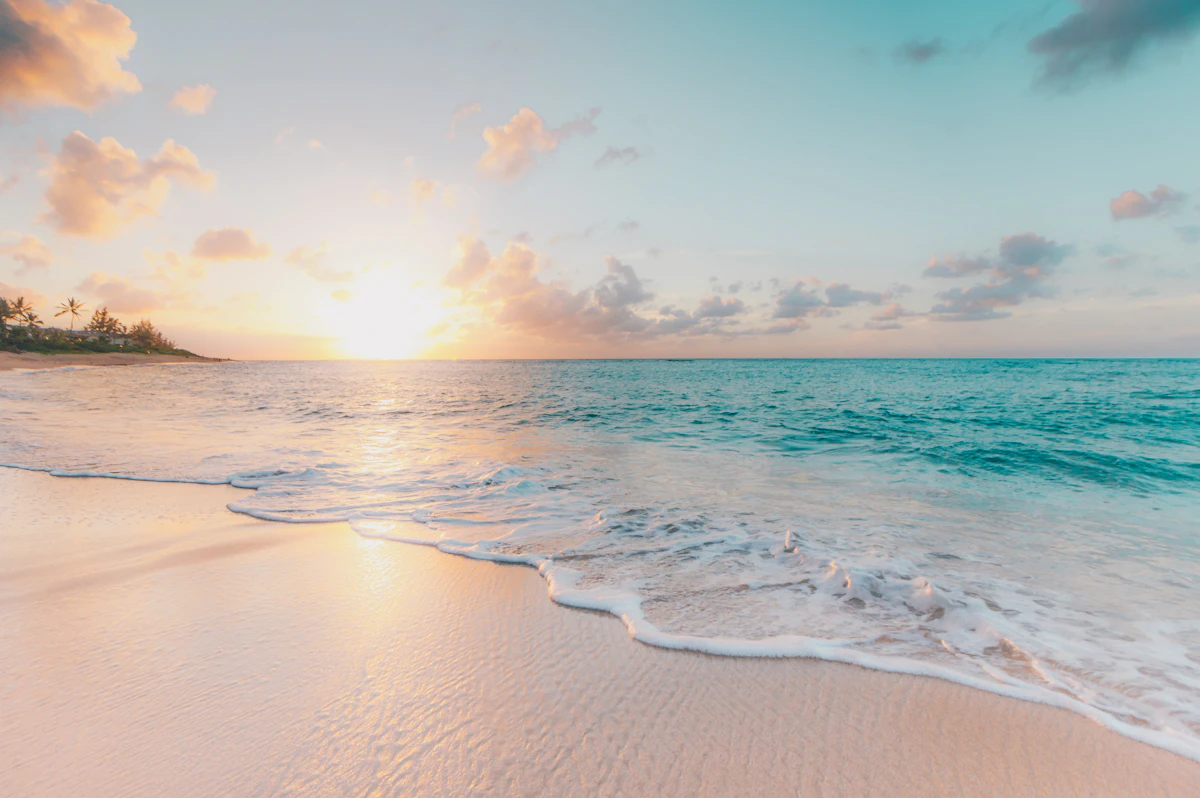
Counting the waves…
Counting the waves…
Akamizu Beach is not your typical sandy retreat; it's a geological masterpiece, a rugged stretch of Nobeoka's coastline where the land meets the sea in a dramatic clash of rock and wave. Here, the ocean has sculpted the earth into fascinating formations, creating a landscape that feels ancient and untamed. The air is thick with the scent of salt and the sound of crashing waves, a powerful symphony that resonates with the wild spirit of the place. As you navigate the rocky terrain, you'll discover tide pools teeming with miniature ecosystems, and hidden nooks carved by the relentless force of the Pacific. The textures underfoot vary from smooth, water-worn pebbles to jagged, barnacle-encrusted boulders, each telling a story of erosion and resilience. This is a place for exploration, for photographers seeking dramatic light, and for anyone who appreciates the raw, unvarnished beauty of nature. Akamizu Beach offers a profound sense of solitude and connection to the elemental forces of the earth. It’s a reminder that beauty isn't always soft and inviting; sometimes, it's found in the stark, powerful contours of a coastline shaped by millennia. Come prepared to walk, to observe, and to be utterly captivated by this unique corner of Miyazaki.
Places, rentals, tours and events within walking and driving distance of Akamizu Beach.
Photos
Swimming at Akamizu Beach is challenging due to its rocky nature and remote location. The shoreline features natural coastal formations rather than sandy swimming areas, with potentially sharp rocks and uneven surfaces. Ocean conditions can be unpredictable at remote rocky beaches, with varying currents and wave action. Most visitors come for the scenic coastal views and photography rather than swimming. If you do explore the water's edge, wear sturdy water shoes, watch for slippery surfaces, and be mindful of tides. This beach is better suited for coastal walks than water activities.
Akamizu Beach can be visited year-round due to its 'anytime' designation, though spring and autumn offer the most comfortable weather for exploring the rocky coastline. These seasons provide moderate temperatures ideal for walking and photographing the coastal formations. Summer brings warmth but can be humid, while winter offers solitude with cooler temperatures and potentially dramatic wave conditions for observation. Since this is a scenic destination rather than a swimming beach, weather flexibility allows visits in various seasons. Choose clear days for the best visibility of the coastal landscape.
Akamizu Beach requires a car to reach, as it's a remote location with minimal public transportation. From Nobeoka city, drive along coastal roads following navigation to the Akamizu area. The journey may involve narrow local roads typical of accessing hidden coastal spots. Check road conditions before visiting, especially after storms or during winter. Allow extra time as remote beaches can be challenging to locate. Rental cars are available in Nobeoka or larger cities like Miyazaki. The remoteness is part of the appeal but requires self-sufficient travel planning.
Akamizu Beach has virtually no facilities due to its remote, hidden nature. Visitors should bring all necessary food, water, and supplies. Nobeoka city, the nearest urban area, offers various restaurants serving local and Japanese cuisine, plus accommodation ranging from business hotels to traditional inns. Convenience stores in Nobeoka allow you to stock up before heading to the beach. Most travelers visit Akamizu as a day trip, returning to Nobeoka or other coastal towns for meals and overnight stays. Planning ahead is essential for remote beach visits.
Akamizu Beach features natural coastal rock formations shaped by ocean erosion over thousands of years, creating unique geological features. These formations showcase the dynamic interaction between sea and stone, with interesting patterns, textures, and shapes that appeal to nature enthusiasts and photographers. The remote location means these formations remain in a natural state, undisturbed by heavy tourism. Each rock formation is unique, created by specific geological conditions and wave action. The scenic beauty lies in the raw, untouched quality of the coastline, offering peaceful contemplation of natural coastal processes.