
Counting the waves…
Counting the waves…
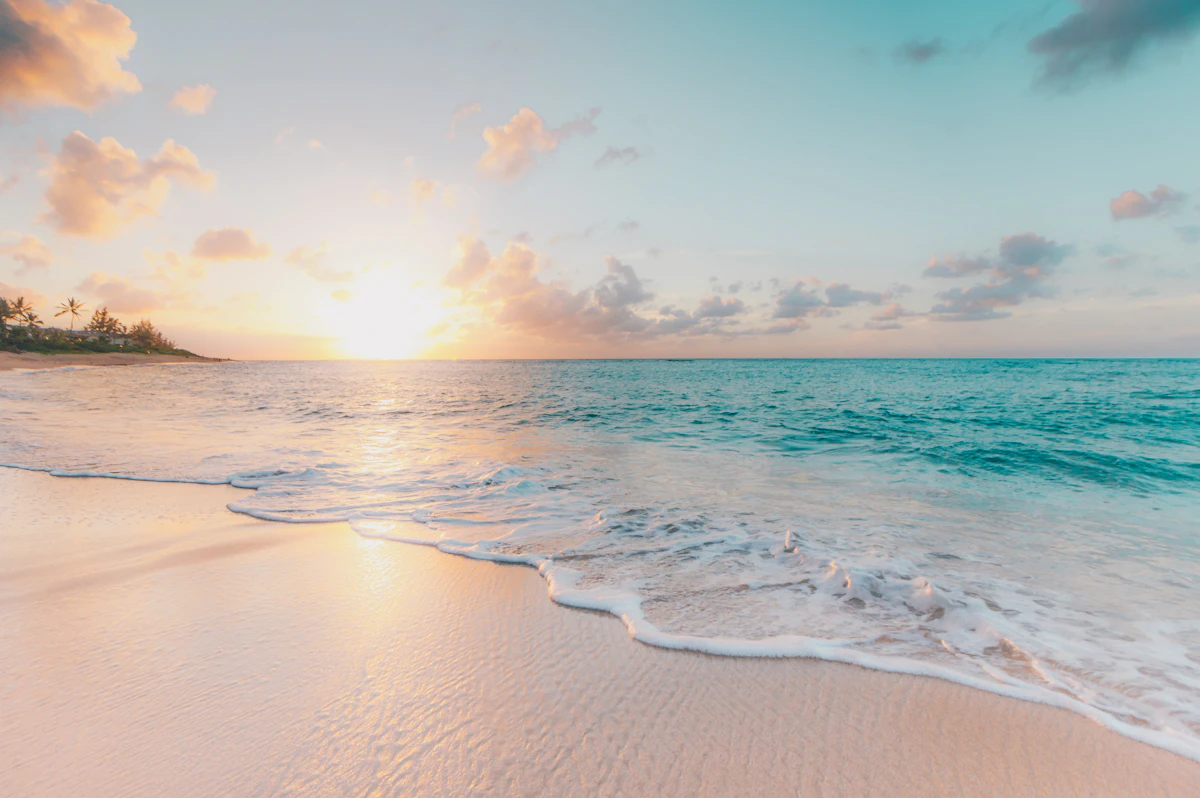
Komoda Quiet Shore is more than just a beach; it's a living canvas of history and natural beauty on Tsushima Island. This peaceful sandy stretch, an extension of the broader Komoda area, offers a rare opportunity to connect with a significant historical site in a remarkably tranquil setting. The soft, pale sand invites you to stroll along the water's edge, where the gentle lapping waves create a soothing rhythm. The shore holds echoes of the past, particularly the Mongol invasions of Japan. Standing here, you can almost feel the weight of centuries, contemplating the events that unfolded on these very sands. Yet, despite its historical gravitas, the beach maintains an atmosphere of profound calm, making it an ideal spot for quiet reflection and introspection. It’s a place where the grandeur of history meets the simple beauty of the sea. As the day draws to a close, Komoda Quiet Shore transforms into a spectacular vantage point for sunsets. The sky ignites with fiery oranges and soft purples, casting a warm glow over the water and the surrounding landscape. With fewer crowds, you can savor these moments in undisturbed peace, making it a truly unforgettable experience. It’s a destination for those who seek both historical depth and natural serenity.
Places, rentals, tours and events within walking and driving distance of Komoda Quiet Shore.
Photos
Komoda Quiet Shore's safety for swimming depends on conditions, as it's a quieter, less-developed beach with minimal facilities. There are no lifeguards or safety services, so visitors swim at their own risk and should be confident in their abilities. The low-crowd nature means fewer people around in case of emergencies. Water conditions can vary, so check weather forecasts and observe the sea before entering. The beach is better suited for wading, beach walks, and sunset viewing rather than extensive swimming. Always inform someone of your plans when visiting remote beaches, bring a mobile phone, and avoid swimming alone.
Komoda Quiet Shore lives up to its name by offering low-crowd experiences throughout most of the year, particularly outside peak summer months. The designated 'Less Crowds' best time suggests visiting during shoulder seasons—spring (April-May) or autumn (September-November)—when weather remains pleasant but tourist numbers drop. Weekdays offer even more solitude than weekends. Summer months may see slightly more visitors but still maintain a peaceful atmosphere compared to mainstream beaches. The beach's historic significance and sunset views make it worthwhile year-round, though swimming is most comfortable May through September. Winter visits appeal to those seeking solitary coastal contemplation and dramatic seascapes.
Reaching Komoda Quiet Shore requires travel to Tsushima Island, accessible by ferry from mainland Kyushu or by flight to Tsushima Airport. From the main towns, you'll need a rental car or taxi, as public transportation to quieter coastal areas is extremely limited. Car rental is strongly recommended for exploring Tsushima's scattered attractions and remote beaches. The drive offers scenic island views, though roads can be narrow and winding. GPS navigation helps, but confirm directions with locals or your accommodation, as some remote beaches have limited signage. Plan your visit with sufficient time to navigate and enjoy the peaceful surroundings without rushing.
Komoda Quiet Shore is a remote, quiet beach with minimal facilities directly on-site. Accommodation and dining options are located in Tsushima's main towns rather than at the beach itself. Bring your own food, water, and supplies for beach visits, as convenience stores and restaurants are not within walking distance. Tsushima's main towns offer hotels, guesthouses, and ryokan (traditional inns), along with restaurants serving local seafood and Korean-influenced cuisine reflecting the island's proximity to Korea. Book accommodation in advance, especially during limited peak seasons. The remoteness is part of the beach's quiet charm, but requires planning and self-sufficiency for beach visits.
Komoda Quiet Shore holds historic significance as part of Tsushima Island, which has served as a cultural bridge between Japan and Korea for centuries. While specific historical details about this particular shore may vary, Tsushima's coastline witnessed historical trade, diplomatic exchanges, and military events over many centuries. The area's name and designation as a 'historic extension' suggest connections to the island's past. The quiet, undeveloped nature of the shore offers a glimpse into how coastal areas appeared historically, before modern development. Visiting provides an opportunity to contemplate the island's strategic position and rich maritime history while enjoying peaceful sunset views over waters that have witnessed centuries of human activity.