
Counting the waves…
Counting the waves…

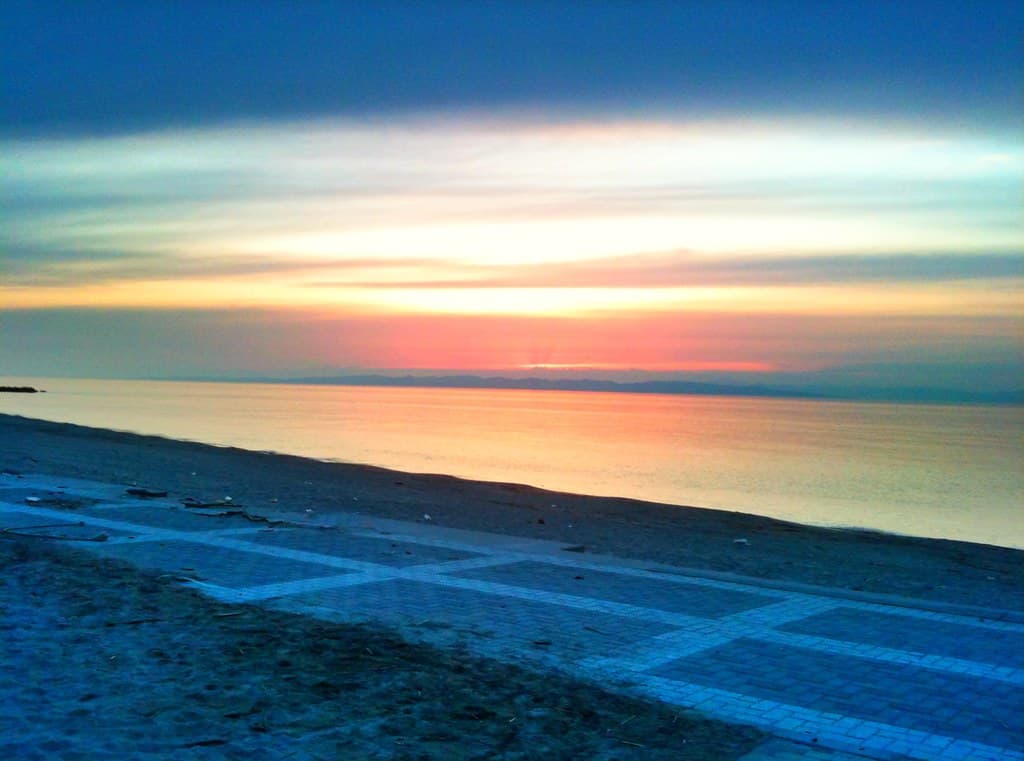
You walk for thirty minutes without encountering another person, your footprints the only marks on sand that ranges from pewter to dove gray depending on moisture and light. The beach extends in both directions until it blurs into sea haze, a minimalist composition of horizontal lines: sand, surf, sky. Black pines lean inland, sculpted by prevailing winds into permanent postures of retreat, their root systems half-exposed where winter storms have carved away the dunes. The surf here rolls in with metronomic regularity, six-second intervals that you unconsciously count as you scan the wrack line for fishing floats and sea glass. Seabirds work the foam edge—black-tailed gulls, cormorants drying their wings on driftwood snags, an occasional great egret stalking through the shallows with geometric precision. The only sounds are organic: wave wash, wind in the pine branches, your own breath, the cry of birds wheeling overhead. Morning fog often hangs offshore, erasing the horizon and creating the sensation of walking through a Japanese ink painting. When it burns off by midday, the beach reveals itself fully—wider than it first appeared, the hard-packed sand near the waterline perfect for long-distance walking. Locals appear in the late afternoon, not to swim but to walk their dogs or simply stand and watch the sea, a daily ritual of acknowledgment and pause.
Places, rentals, tours and events within walking and driving distance of Hamamatsu Coastal Beach.
Photos
Swimming conditions at Hamamatsu Coastal Beach generally follow typical Sea of Japan patterns, with calmer conditions during summer months and rougher seas in other seasons. Always assess current weather and wave conditions before entering the water. The quieter nature of this beach means lifeguards may not be consistently present, so swimmers should exercise personal judgment and caution. During the official swimming season, conditions are typically safest. Avoid swimming when winds are strong or seas rough, which can create dangerous currents along the Niigata coast.
The beach is accessible year-round, with summer months (July-August) offering the warmest weather and best swimming conditions. Spring and autumn provide pleasant temperatures for coastal walks and scenery appreciation without summer crowds. The quiet nature of this beach means it rarely feels overcrowded, even during peak season. Sunset visits can be particularly rewarding along this scenic coastal stretch. Winter visits are possible for hardy travellers interested in dramatic seascapes and solitude, though cold temperatures and strong winds require appropriate clothing.
From central Niigata, Hamamatsu Coastal Beach is accessible by car or taxi, with travel time typically ranging from 20-40 minutes depending on your starting point and traffic conditions. Local bus services may serve the general coastal area, though routes should be verified with current transit information. Renting a car offers the most flexibility for reaching this quieter beach and exploring other coastal spots. Cycling is an option during good weather given Niigata's relatively flat terrain. Check online maps for specific directions to this particular coastal stretch.
Accommodation is best found in Niigata City proper, where hotels range from budget business hotels to more upscale options, all within reasonable driving distance. The immediate beach area has limited facilities, reflecting its quiet, less developed character. For dining, Niigata City offers extensive choices including fresh seafood restaurants, traditional Japanese cuisine, and international options. The region is known for excellent rice, sake breweries, and Sea of Japan fish. Consider bringing provisions for a beach picnic if planning to spend several hours at this peaceful coastal location.
Hamamatsu Coastal Beach remains relatively undiscovered compared to Niigata City's more promoted beaches, maintaining a peaceful atmosphere even during summer. The lack of major commercial development preserves its natural coastal character and scenic beauty. This quiet stretch appeals to visitors seeking authentic coastal experiences away from crowds and infrastructure. The beach offers beautiful Sea of Japan views and a sense of tranquility difficult to find at busier locations. Its hidden quality makes it ideal for those who value solitude, natural scenery, and a more contemplative beach experience within reach of urban amenities.