
Counting the wavesβ¦
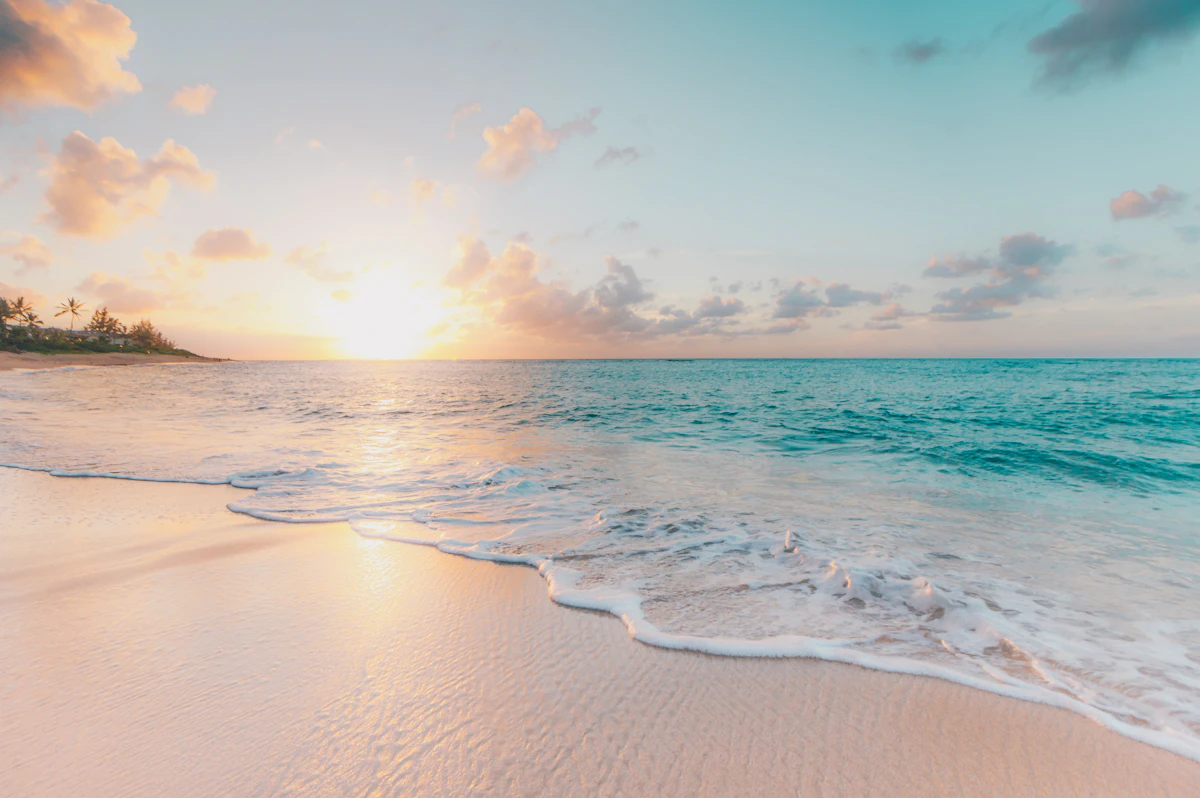
The narrow road ends at a gravel parking area where weeds push through cracks and the pavement crumbles into sand. You walk past weathered tetrapods half-buried in dunes, evidence of old erosion battles, and emerge onto a beach that tourism forgot. The sand here runs darker than Niigata's developed shores, flecked with black magnetite that clings to your feet and glints in the slanted light. The Nishikawa River empties into the Sea of Japan just south, its fresh water creating subtle current lines visible in the wave patterns. Driftwood accumulates in tide linesβentire tree trunks worn smooth, fishing floats still tangled in faded rope, plastic bottles with labels in Russian and Korean. The cliffs backing the beach show horizontal striations in the clay, each layer a chapter of geological history slowly surrendering to wind and rain. Evening light transforms Maki into something approaching beautiful. The sun descends into the sea between Sado Island's southern tip and the mainland, painting the wave crests amber and rose. You'll hear the surf, the wind in the beach grass, and little else. No loudspeakers announce closing time, no vendors pack up stalls. The beach simply waits for darkness, indifferent to whether you stay or go.
Places, rentals, tours and events within walking and driving distance of Maki Beach.
Photos
Maki Beach's quiet, natural character means it may have fewer formal safety facilities compared to more developed beaches. Lifeguard presence may be limited or absent, especially outside peak summer season, so swimmers should be self-reliant and cautious. The natural setting means conditions can be more variable, so checking weather, tides, and currents before entering the water is essential. Strong swimmers may enjoy the unspoiled environment, but families with young children should exercise extra caution. The beach's appeal lies more in its scenic tranquility than supervised swimming, so assess your comfort with natural beach conditions.
Maki Beach can be visited year-round, with different seasons offering unique experiences. Summer provides warmest water temperatures for swimming, though facilities may be minimal. The beach truly shines during sunset hours in any season with clear weather, offering spectacular views over the Sea of Japan away from crowds. Spring and autumn are excellent for peaceful beach walks and nature appreciation without summer visitors. The 'hidden' nature means it rarely becomes crowded even in peak season. For photographers and those seeking tranquility, shoulder seasons and off-peak hours provide the most rewarding experiences at this quiet, natural beach.
Maki Beach's location as a hidden, quieter beach means access may be less straightforward than more developed beaches. Private transportation is highly recommended, as public bus service may be infrequent or limited. By car from Niigata City, travel time varies depending on exact location within the Maki area but expect 30-45 minutes or more. Road signage may be less prominent than at major beaches, so GPS navigation or detailed maps are advisable. The reward for this extra effort is finding a more secluded, natural beach experience away from urban development and crowds.
Maki Beach's quiet, natural character means immediate dining and accommodation options are limited. The area may have small local restaurants or family-run establishments, but selection will be modest compared to urban beaches. Convenience stores may require some driving to reach. Most visitors treat Maki Beach as a day trip from Niigata City where comprehensive hotel and dining options exist. Consider bringing your own food, drinks, and beach supplies, especially if visiting outside summer months. The minimal commercial development is part of the beach's appeal for those seeking an unspoiled, peaceful coastal experience.
Maki Beach's designation as a hidden gem reflects its quiet, undeveloped character that attracts visitors seeking natural beauty without crowds. Its scenic quality comes from unspoiled coastal landscape, likely featuring natural vegetation and minimal construction. The sunset views are particularly noteworthy, with unobstructed western horizons over the Sea of Japan creating dramatic evening skies. The combination of seclusion and natural beauty makes it ideal for photographers, couples, and anyone wanting to escape busier beaches. Its 'hidden' status means fewer people know about it, preserving a peaceful atmosphere and authentic natural coastal environment.