
Counting the waves…
Counting the waves…

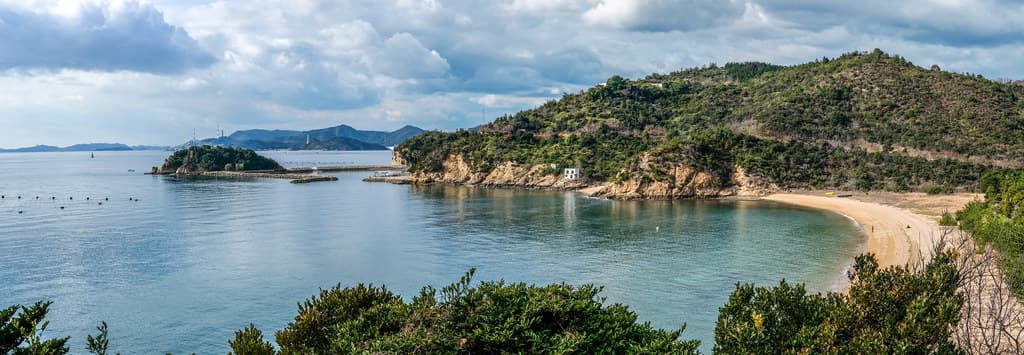
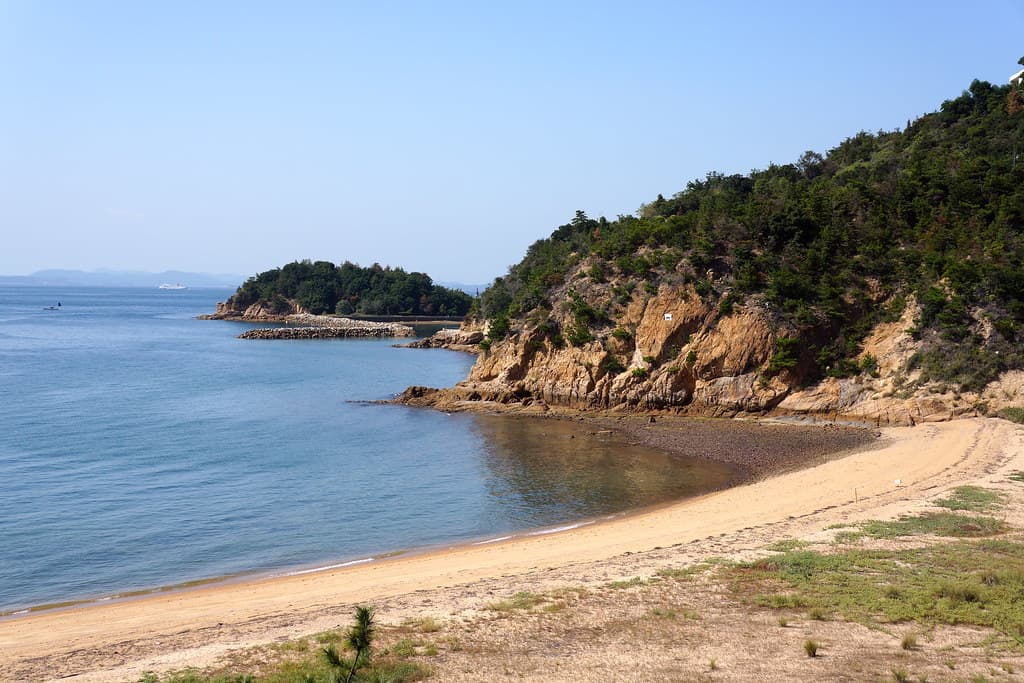
Hinode Coast presents a starkly beautiful contrast to the sandy beaches of Tamano, showcasing the raw power of nature. This rocky shoreline is a testament to the relentless forces of the Seto Inland Sea, with ancient stone formations rising majestically from the water. Each rock face tells a story, weathered and sculpted into unique, often dramatic, shapes that invite exploration and contemplation. The soundscape here is dominated by the rhythmic crash of waves against stone, a powerful symphony that underscores the wildness of the landscape. Tide pools, hidden among the crevices, reveal miniature ecosystems, home to tiny crabs, anemones, and other marine life, offering a fascinating glimpse into the underwater world. Bring sturdy shoes for navigating the uneven terrain and a keen eye for discovery. Photographers will find endless inspiration in the interplay of light and shadow on the rocks, the spray of the ocean, and the expansive views across the water. It’s a place where every turn offers a new perspective, a fresh angle on nature's artistry. Hinode Coast isn't just a view; it's an experience, a visceral connection to the untamed spirit of the Japanese coast, perfect for those who seek beauty in the rugged and the real.
Places, rentals, tours and events within walking and driving distance of Hinode Coast.
Photos
Hinode Coast is primarily a scenic rocky coastline better suited for sightseeing, photography, and coastal walks rather than swimming. The rocky terrain and uneven seabed make it less ideal for traditional beach activities. While you may see locals exploring tide pools or fishing from rocks, swimming is not the main attraction. The area is best enjoyed for its dramatic coastal landscapes and photo opportunities. If swimming is your priority, consider nearby sandy beaches like Yoshiura or Shibukawa instead. Always exercise caution near rocky shorelines and slippery surfaces.
Golden hour—early morning or late afternoon—provides the most dramatic lighting for photographing Hinode Coast's rocky formations. Sunrise offers soft light and often misty atmospheric conditions over the Seto Inland Sea. Sunset creates warm tones highlighting the textures of rocks and water. Overcast days can produce moody, artistic shots with even lighting. Visit during less crowded weekday mornings for uninterrupted shooting time. Different seasons offer variety: spring brings clear skies, while autumn provides interesting light quality. Check tide schedules, as varying water levels create different compositions and reveal unique rock formations.
Hinode Coast is accessible from Tamano Station via local bus or taxi, typically taking 15-25 minutes depending on the specific location along the coast. Driving is often more convenient, allowing you to explore different viewpoints along the rocky stretch. Limited parking may be available at scenic overlooks or pullouts along coastal roads. Some visitors rent bicycles in Tamano for a scenic coastal ride, though the terrain can be hilly. Walking from the station is generally impractical due to distance. Check local maps or ask at the tourist information for specific access points along this coastal stretch.
Hinode Coast has minimal tourist facilities, reflecting its hidden, undeveloped nature. Small local cafes or restaurants may be found in nearby residential areas, but options directly along the rocky coast are extremely limited. Visitors should plan ahead by bringing water, snacks, and any necessary supplies. Public restrooms may be sparse. For dining, head to Tamano city center or Uno Port area where more choices exist. The lack of commercial development is part of the coast's scenic appeal, offering an authentic, peaceful experience away from tourist infrastructure.
Hinode Coast stands out for its dramatic rocky landscape, contrasting with the sandy beaches common elsewhere in Tamano. The rugged coastline offers unique geological formations, interesting tide pools, and striking photography opportunities that sandy beaches cannot provide. It appeals to visitors seeking natural beauty and Instagram-worthy scenery rather than swimming or sunbathing. The untouched, less developed character provides a sense of discovery and solitude. The interplay of rocks, waves, and Seto Inland Sea views creates a different coastal experience, attracting nature lovers and photographers rather than typical beachgoers.