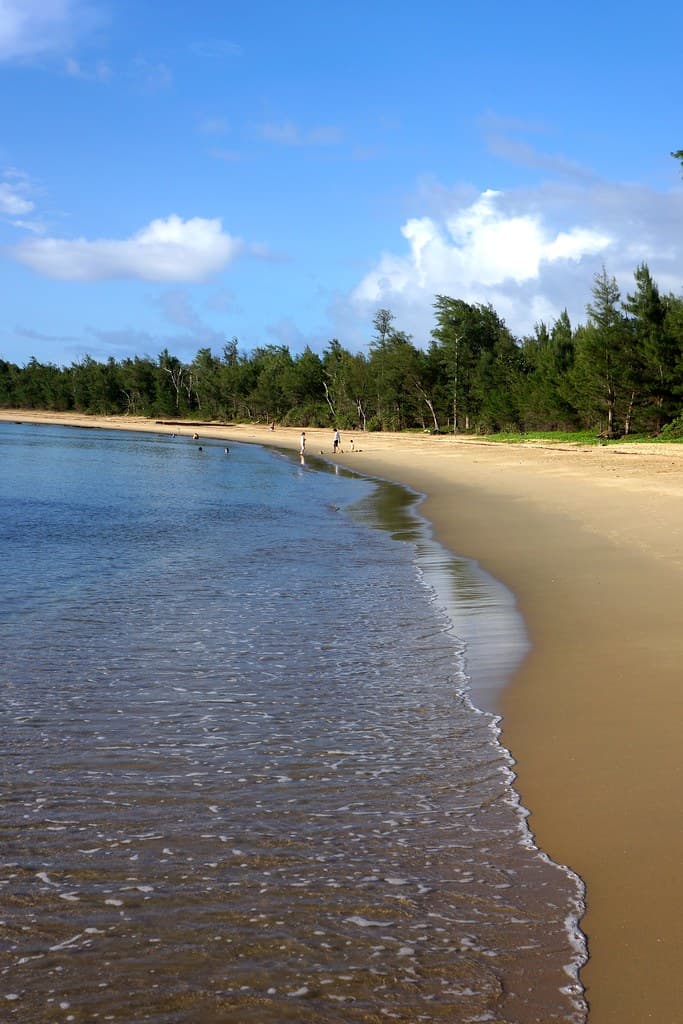
Counting the waves…
Counting the waves…
Pinaisara Falls Coast Beach is not merely a beach; it's the dramatic grand finale of an exhilarating journey into Iriomote's wild interior. To reach this secluded cove, you typically embark on a guided trek through dense jungle, often involving kayaking upriver, culminating in the awe-inspiring sight of Pinaisara Falls—Okinawa's tallest waterfall—plunging dramatically into a freshwater pool. From there, a final descent brings you to this hidden coastal gem, where the freshwater meets the sea in a spectacular natural amphitheater. The beach itself is a pristine stretch of sand, framed by the vibrant green of the jungle on one side and the sparkling blue of the Pacific on the other. The unique draw here is the proximity to the waterfall; you can feel the cool mist on your skin and hear its powerful roar even as you dip your toes into the ocean. This creates an extraordinary juxtaposition: the raw power of the falls just moments from the gentle lapping of the waves. It’s a place where you can rinse off the jungle sweat in the waterfall's pool before plunging into the refreshing saltwater. This is an experience for the adventurous spirit, for those who seek more than just sun and sand. It's about the journey, the discovery, and the profound connection to Iriomote's untamed beauty. Spend your time swimming, exploring the rocky outcrops, or simply marveling at the sheer natural grandeur surrounding you. Pinaisara Falls Coast Beach offers a rare opportunity to witness nature's artistry at its most magnificent, a truly unforgettable reward for the intrepid traveler.

Places, rentals, tours and events within walking and driving distance of Pinaisara Falls Coast Beach.
Photos
Swimming conditions vary depending on tides and weather. The cove setting offers some protection, but currents can be unpredictable where the river meets the ocean. Always check conditions locally before entering the water. The primary activity here is kayaking or hiking to Pinaisara Falls rather than beach swimming. Wear water shoes as the coastline can be rocky. Supervision is essential as there are no lifeguards. Marine life is abundant, so be aware of your surroundings.
Visit during the drier months from October to April for the most pleasant conditions and fewer crowds. The jungle trek to the falls is more manageable when trails are less muddy. Early morning offers the best light for photography and cooler temperatures for hiking. Avoid the rainy season from May to September when trails can be slippery and visibility reduced. Weekdays see fewer visitors than weekends, enhancing the secluded nature experience this remote location offers.
Access requires reaching Iriomote Island first, typically by ferry from Ishigaki Island. From Iriomote, you'll need to join a guided kayak tour or trek, as the beach is not directly accessible by road. Most visitors kayak up the Hinai River, then hike through jungle trails to reach the falls and coastal area. The journey takes several hours and requires moderate fitness. Independent access is challenging; guided tours are strongly recommended for safety and navigation through the dense jungle terrain.
No facilities exist at the beach itself due to its remote jungle location. All accommodations and restaurants are in the main settlements of Iriomote Island, such as Uehara or Ohara ports. Most visitors stay in these areas and take day trips to the falls. Bring all food, water, and supplies with you as the journey takes most of the day. Tour operators typically provide some refreshments. Book accommodation in advance, especially during peak season, as options on Iriomote are limited.
This beach combines Okinawa's highest waterfall with pristine coastline, creating a rare jungle-meets-ocean landscape. The adventure required to reach it—involving kayaking through mangroves and hiking through subtropical forest—makes it exceptionally secluded. Unlike typical resort beaches, this remains wild and undeveloped, offering an authentic nature experience. The dramatic scenery of waterfalls cascading near coastal cliffs is uncommon in Japan. Wildlife spotting opportunities, including rare birds and marine species, make this a nature lover's destination rather than a traditional beach experience.