Counting the wavesβ¦
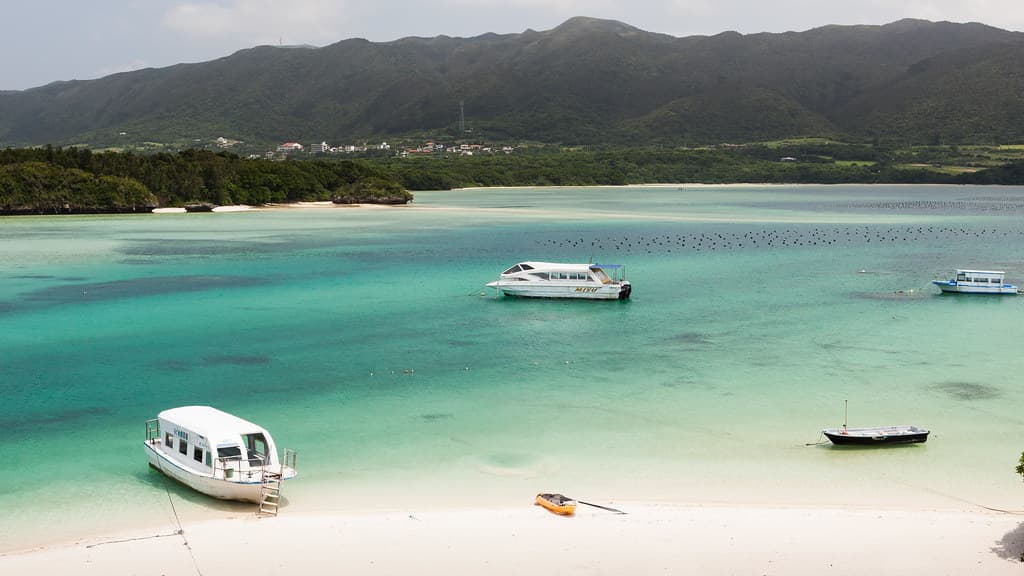
Yonehara Beach on Ishigaki Island is synonymous with world-class snorkeling, a natural aquarium easily accessible from its gentle, sandy shore. The beach itself is a stretch of soft, white sand, but the true magic lies a few meters out, where a sprawling coral reef begins in surprisingly shallow water. This makes it an ideal spot for both experienced snorkelers and beginners, allowing everyone to witness the vibrant underwater spectacle. Don your mask and fins, and you'll be immediately immersed in a bustling underwater city. Schools of parrotfish graze on coral, clownfish dart amongst anemones, and vibrant angelfish glide through crystal-clear channels. The coral formations themselves are a diverse landscape of branching, brain, and plate corals, creating intricate habitats for countless species. The water's clarity often allows for excellent visibility, making every moment a visual feast. Beyond the snorkeling, Yonehara offers a relaxed beach atmosphere. You can rent gear, grab a snack from a nearby vendor, or simply relax on the sand, soaking in the sun and the gentle rhythm of the waves. Itβs a perfect day out for families, friends, or solo adventurers seeking to connect with Ishigaki's rich marine biodiversity in a beautiful, natural setting.
Places, rentals, tours and events within walking and driving distance of Yonehara Beach.
Photos
Yonehara Beach is generally safe for snorkeling during calm conditions, but caution is necessary. The coral reef starts close to shore, making it excellent for beginners. However, strong currents can occur, especially during changing tides. Reef shoes are essential to protect against sharp coral and sea urchins. Jellyfish may be present during summer months. Always check local conditions before entering the water, stay within designated areas, and consider hiring a guide if you're inexperienced. Safety nets are sometimes deployed during jellyfish season.
The ideal time to visit Yonehara Beach is from April to October when weather conditions are most favorable for snorkeling and the water is warmest. July and August offer the best underwater visibility, though these months can be crowded and humid. May, June, September, and October provide a good balance of pleasant weather and fewer crowds. Winter months (November-March) bring cooler temperatures and rougher seas, making snorkeling less enjoyable. Avoid typhoon season peaks in August and September when storms can disrupt travel plans.
Yonehara Beach is located approximately 30 kilometers north of Ishigaki city center, about a 40-minute drive along Route 79. Renting a car is the most convenient option, with several rental agencies available at Ishigaki Airport and in the city. Free parking is available near the beach. Alternatively, you can take a local bus from Ishigaki Bus Terminal, though service is infrequent. Taxis are available but expensive for the distance. Many tourists combine a visit here with other northern Ishigaki attractions like Kabira Bay.
Yonehara Beach has limited facilities compared to more developed beaches. A small beach hut typically operates during peak season, offering basic refreshments, snacks, and snorkeling gear rentals. Public restrooms and outdoor showers are available. However, food options are minimal, so bringing your own snacks and drinks is advisable. A few guesthouses and small restaurants can be found in the surrounding area. The nearest town with more dining options is about 15 minutes away by car. Come prepared with essentials, especially during off-peak seasons.
Yonehara Beach is renowned as one of Ishigaki's premier snorkeling spots because vibrant coral reefs begin just meters from shore, making them accessible even to beginners without boat tours. The shallow reef ecosystems host an incredible diversity of tropical fish, including clownfish, parrotfish, and butterflyfish. Sea turtles are frequently spotted here, adding to the magical experience. The proximity of healthy coral formations to the beach is relatively rare and allows for extended snorkeling sessions. The clarity of the water on calm days provides excellent visibility for observing marine life.