Counting the waves…
Counting the waves…
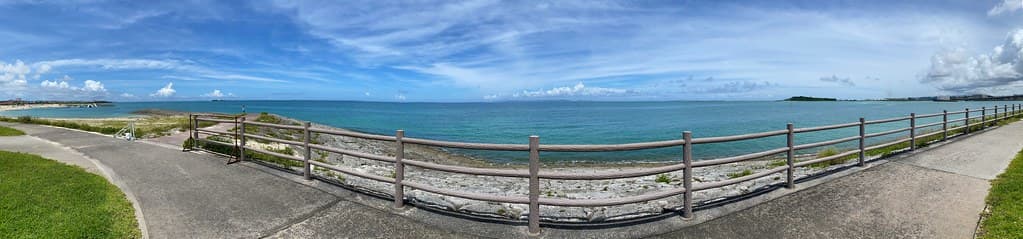
Kyan Beach is not your typical sandy retreat; it's a dramatic testament to Okinawa's wild, untamed spirit. Here, majestic limestone cliffs rise sharply from the churning ocean, sculpted over millennia by wind and waves. The views are expansive and awe-inspiring, offering a raw, unfiltered glimpse into the island's geological grandeur. The air at Kyan Beach is often charged with the energy of the sea, carrying the scent of salt and the roar of powerful waves crashing against the rock formations below. While not a swimming beach, it's an unparalleled spot for photography, contemplation, and feeling the sheer force of nature. The rugged terrain invites exploration, with vantage points offering sweeping panoramas of the vast Pacific. Wear sturdy shoes and respect the powerful ocean currents. Kyan Beach is a place to observe, to reflect, and to be humbled by the sheer scale of the natural world. It offers a profoundly scenic experience, a stark contrast to Okinawa's gentler sandy shores, and a powerful reminder of the island's diverse and captivating landscapes.
Places, rentals, tours and events within walking and driving distance of Kyan Beach.
Photos
Kyan Beach is characterized by dramatic cliffs and rocky coastline, making it less suitable for traditional swimming compared to sandy beaches. The waters can be rough with strong currents, and access to the water is challenging due to the cliff formations. This beach is primarily valued for its scenic views rather than water activities. Visitors should exercise extreme caution near cliff edges, stay on marked paths, and never attempt to climb on unstable rock formations. The beach is best enjoyed for sightseeing, photography, and enjoying the dramatic coastal scenery from safe vantage points.
Kyan Beach sees fewer crowds throughout the year compared to mainstream Okinawan beaches, making most times suitable for a quieter visit. Weekdays are generally less busy than weekends when local visitors may arrive. Early mornings and late afternoons offer the most solitude and excellent lighting for photography. The shoulder seasons of spring (April-May) and autumn (October-November) provide comfortable weather with minimal visitors. Even during summer, this scenic spot doesn't attract the same crowds as swimming beaches, maintaining its peaceful character ideal for those seeking dramatic coastal views without the tourist bustle.
Kyan Beach is located at the southern tip of Okinawa's main island in Itoman, approximately 40-50 minutes from Naha by car. A rental car is highly recommended as public transportation options are very limited in this remote area. Drive south on Route 331, following signs toward Kyan (喜屋武). The road leads to Kyan Cape area where parking is available. The final approach may involve narrow local roads. Due to the clifftop location and limited infrastructure, having your own transportation is essential for visiting this dramatic coastal spot.
Kyan Beach has virtually no facilities on-site, reflecting its wild, scenic nature. The nearest restaurants and shops are in Itoman city, several kilometers away, offering local Okinawan cuisine and convenience stores. Most visitors treat this as a day trip destination, staying in Naha or other developed areas. Bring your own food and drinks, as there are no vendors at the beach. Itoman has some accommodation options including small hotels and guesthouses, but choices are limited. Plan accordingly by packing supplies and not expecting commercial amenities at this remote, nature-focused location.
Kyan Beach offers something entirely different from Okinawa's typical tropical sandy beaches—dramatic cliff formations and rugged coastal scenery that showcase the island's geological diversity. The towering cliffs and rocky shoreline create spectacular views, particularly at sunset, making it a photographer's paradise. This is a contemplative destination rather than a recreational beach, ideal for those who appreciate raw natural beauty over swimming and water sports. The remote southern location and lack of development preserve an untamed character, offering visitors a glimpse of Okinawa's wilder coastal landscapes away from resort areas.