Counting the waves…
Counting the waves…
A refined fusion of water purity, environmental stability, and communal vibrancy for Nakamoto Beach.
View MethodologyAnalyzed via live sensors and environmental data.
Wave height, wind, and atmospheric stability.
Live footfall and crowd balance metrics.
Community reviews and curated sentiment.
“On the small island of Kuroshima, Nakamoto Beach offers a distinct reef experience. Its natural tidal pool, protected by coral formations, creates an ideal, calm environment for observing a vibrant underwater world.”
Limited recent visitor reports — live OBI telemetry is your best guide for current conditions.
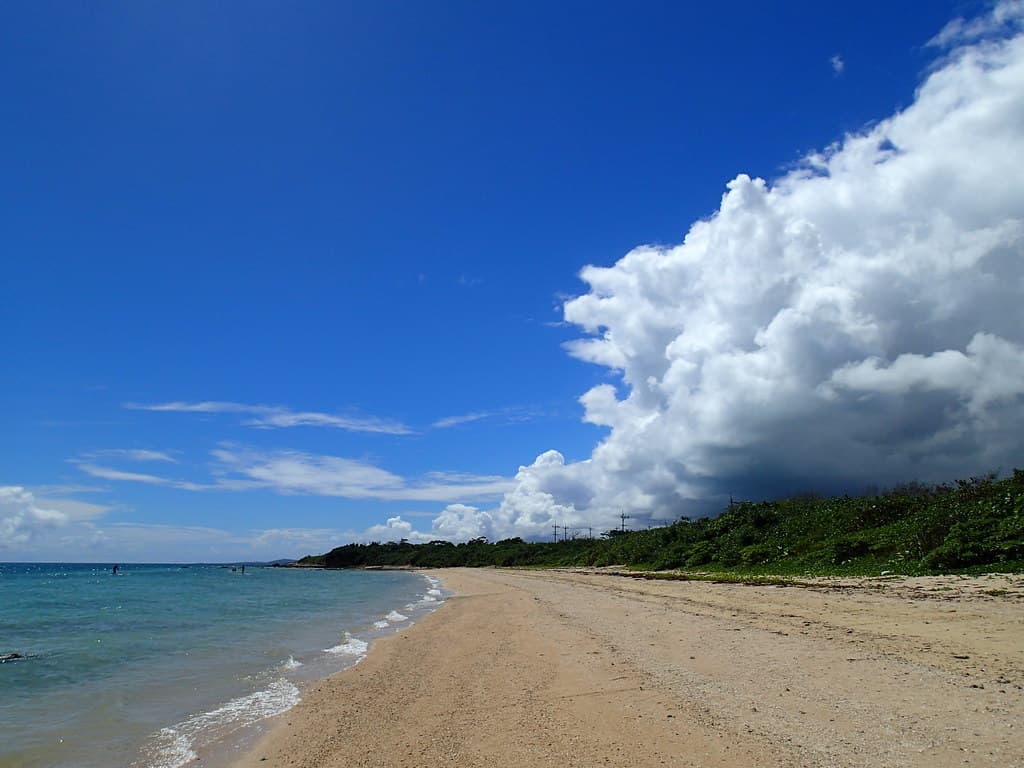
Nakamoto Beach on Kuroshima is not your typical sandy expanse; it's a living, breathing reef beach, a natural aquarium waiting to be explored. The main draw is a large, shallow tidal pool, naturally protected by intricate coral formations that act as a barrier against the open sea. This creates a remarkably calm and safe environment, even for novice snorkelers.
Submerge yourself in the warm, clear water, and you'll be greeted by a kaleidoscope of marine life. Small, colorful fish dart between the coral branches, sea cucumbers undulate on the sandy bottom, and various crustaceans scuttle among the rocks. The water is shallow enough in many areas to stand, allowing you to observe the ecosystem up close without needing to be an expert swimmer.
 Credit: Unsplash
a beach with a sandy beach and green bushes
 Credit: Unsplash
white flowers near sea under blue sky during daytime
Vibrant reef life
Shallow tidal pool
Marine photography
Prime Visitation
Best Weather
Where it is
Nakamoto Beach
Kuroshima, Okinawa, Japan
24.242500°, 124.017900°
Weather
Loading…
Swell
—
Temp
Warm · Restorative
UV Index
Moderate
Wind
—
Tidal State
Last known
Max Sunlight
—
Ideal Shade
—
May - Sep (Peak)
Jan - Dec (Off-season)
Historical data suggests peak visibility and stable sea temperatures occur during the prime visitation window.
Near Nakamoto Beach
Explore dining, stays, nightlife, and activities near Nakamoto Beach in Kuroshima, Japan. Every listing below is a real place linked to this beach — open a card for reviews, maps, and booking options.
Food, cafés, and dining close to Nakamoto Beach — curated from places linked to this beach.
Stays and lodging options near Nakamoto Beach for your beach trip.
Activities, tours, and attractions near Nakamoto Beach.
Select a category to load nearby places.
Unlock restaurants, luxury stays and curated maritime experiences within 2km
Nakamoto Beach offers excellent snorkeling in its natural reef pools during calm conditions, but safety requires caution. The reef creates protected lagoon areas ideal for observing marine life, but water depth and currents vary significantly with tides. No lifeguards are present, so swim at your own risk and never snorkel alone. Wear reef shoes to protect against sharp coral and sea urchins. Check tide tables before visiting, as low tide reveals the best pools while high tide can bring stronger currents. Avoid touching coral to protect both yourself and the ecosystem.
Visit during the dry season from April to June or September to November for optimal visibility and weather conditions. The best snorkeling occurs during low to mid-tide when natural pools form, creating calm, clear viewing areas teeming with marine life. Early morning typically offers the calmest waters and best light for underwater observation. Summer months provide warmest water but bring jellyfish risks and occasional storms. Avoid typhoon season peaks in August and September. Check tide tables and weather forecasts before making the ferry trip to Kuroshima Island.
Reach Kuroshima by ferry from Ishigaki Port, with typically two services daily (journey takes about 30 minutes). From Kuroshima Port, Nakamoto Beach is approximately 3 kilometers away. The island has limited transportation; rent a bicycle at the port (most common option), arrange a taxi in advance, or walk if prepared for the distance. The island is small and relatively flat, making cycling pleasant. Plan carefully around ferry schedules as options are limited. Bring supplies from Ishigaki as facilities on Kuroshima are minimal.
Kuroshima is a small, rural island with very limited facilities. A few minshuku (family-run guesthouses) offer basic accommodation island-wide, requiring advance reservations. Dining options are extremely limited; most guesthouses provide meals for guests. There are no restaurants or facilities directly at Nakamoto Beach. Visitors should bring their own food, water, and supplies from Ishigaki Island. A small shop near the port sells basic items but has limited hours and selection. Most visitors come as day-trippers from Ishigaki, bringing packed lunches and snorkeling gear.
Nakamoto Beach features exceptional natural tidal pools formed by the reef system, creating calm, shallow aquariums filled with diverse marine life. These pools offer safe, accessible snorkeling opportunities to observe colorful fish, coral formations, and sea creatures without venturing into open ocean. The remote location on quiet Kuroshima means far fewer visitors than popular Ishigaki beaches, providing an intimate nature experience. The reef ecosystem here remains relatively pristine and undeveloped. This beach appeals to snorkeling enthusiasts and nature lovers seeking authentic, uncrowded encounters with Okinawa's marine environment.
Photos