Counting the waves…
Counting the waves…
A refined fusion of water purity, environmental stability, and communal vibrancy for Gusukube Beach.
View MethodologyAnalyzed via live sensors and environmental data.
Wave height, wind, and atmospheric stability.
Live footfall and crowd balance metrics.
Community reviews and curated sentiment.
“Step onto the wilder side of Miyakojima at Gusukube Beach, a landscape sculpted by time and tide. Here, jagged coral formations create intricate patterns, offering a raw, authentic encounter with Okinawa's coastal…”
Limited recent visitor reports — live OBI telemetry is your best guide for current conditions.
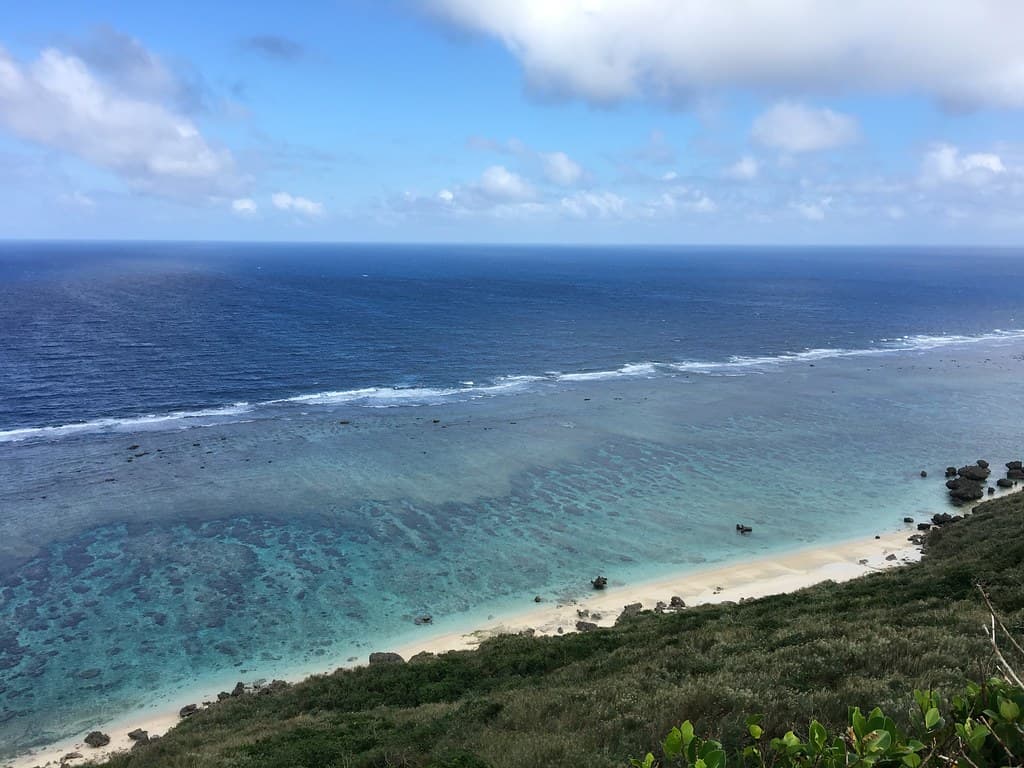
Gusukube Beach on Miyakojima is not your typical soft-sand paradise; instead, it presents a rugged, compelling beauty defined by its unique coral rock formations. This hidden gem offers a more adventurous and authentic experience, appealing to those who appreciate the untamed side of nature. The shoreline is a mosaic of ancient coral, weathered by the elements into fascinating shapes and textures.
While swimming might be challenging due to the rocky entry, the clear, vibrant water invites exploration. Tide pools often form among the rocks, teeming with miniature marine life, offering a glimpse into a delicate ecosystem. The sound of waves crashing against the coral creates a powerful, rhythmic soundtrack, a stark contrast to the gentle lapping found on sandy shores.
 Credit: Unsplash
a beach with rocks and a pier
 Credit: Unsplash
a beach with rocks and trees
Navigate coral formations
Dramatic textures
Miniature marine life
Prime Visitation
Less Crowds
Where it is
Gusukube Beach
Miyakojima, Okinawa, Japan
24.760800°, 125.375500°
Weather
Loading…
Swell
—
Temp
Warm · Restorative
UV Index
Moderate
Wind
—
Tidal State
Last known
Max Sunlight
—
Ideal Shade
—
May - Sep (Peak)
Jan - Dec (Off-season)
Historical data suggests peak visibility and stable sea temperatures occur during the prime visitation window.
Select a category to load nearby places.
Unlock restaurants, luxury stays and curated maritime experiences within 2km
Gusukube Beach is primarily a rocky beach, which makes it less ideal for traditional swimming compared to sandy beaches. The rocky terrain can be challenging to navigate and potentially uncomfortable or unsafe for entering and exiting the water. Sharp rocks and uneven surfaces present hazards, especially for barefoot beachgoers. Water conditions around rocky shores can also be unpredictable with stronger currents and waves. This beach is better suited for exploration, photography, and enjoying rugged coastal scenery rather than swimming. If swimming is your priority, consider one of Miyakojima's many sandy beaches instead. Always wear protective footwear if exploring the rocky areas.
Gusukube Beach is best visited during less crowded periods, as it's more of a scenic destination than a swimming beach. The cooler months from November through March offer comfortable temperatures for exploring the rocky coastline without the intense heat or peak tourist crowds. However, any time of year can be suitable depending on your interests. Early morning or late afternoon provides the best lighting for photography of the rugged landscape. Since swimming isn't the main attraction, weather considerations are less critical than at resort beaches, though calmer conditions make coastal exploration safer. Check tide schedules if you plan to explore tidal pools or rocky areas closely.
Gusukube Beach is located on Miyakojima in the Gusukube area. A rental car is the most practical way to reach this beach, as it's likely not well-served by public transportation. From Miyako Airport or the main town of Hirara, follow local roads toward the Gusukube district, using GPS navigation or detailed maps to locate the specific beach access point. The drive typically takes 20-40 minutes depending on your starting location. As a hidden, rocky beach, signage may be limited, so confirming directions with your accommodation or local tourism information centers beforehand is advisable. Parking facilities may be informal or limited.
As a hidden, rocky beach, Gusukube Beach likely has minimal or no developed facilities such as restrooms, showers, or food vendors. This is a natural, undeveloped coastal area where visitors should come prepared with their own supplies, including water, snacks, and sun protection. Accommodation options exist elsewhere on Miyakojima, particularly in the Hirara town area and along the more developed coastal zones. The Gusukube area may have some local guesthouses or small eateries, but options are limited compared to tourist zones. Bring everything you need for your visit and plan to find meals and services in more populated areas of the island.
Gusukube Beach's rocky, rugged character offers a dramatic contrast to Miyakojima's famous white sand beaches, showcasing a different aspect of Okinawan coastal beauty. The rocky formations, created by volcanic activity and ocean erosion over millennia, provide unique photographic opportunities and geological interest. Tide pools among the rocks may harbor small marine creatures and ecosystems worth observing. The rugged coastline appeals to travelers seeking natural, undeveloped landscapes and willing to trade swimming convenience for wild beauty and solitude. This type of beach offers exploration and contemplation rather than typical beach resort activities, attracting nature enthusiasts and adventurous visitors.
Photos