Counting the wavesβ¦

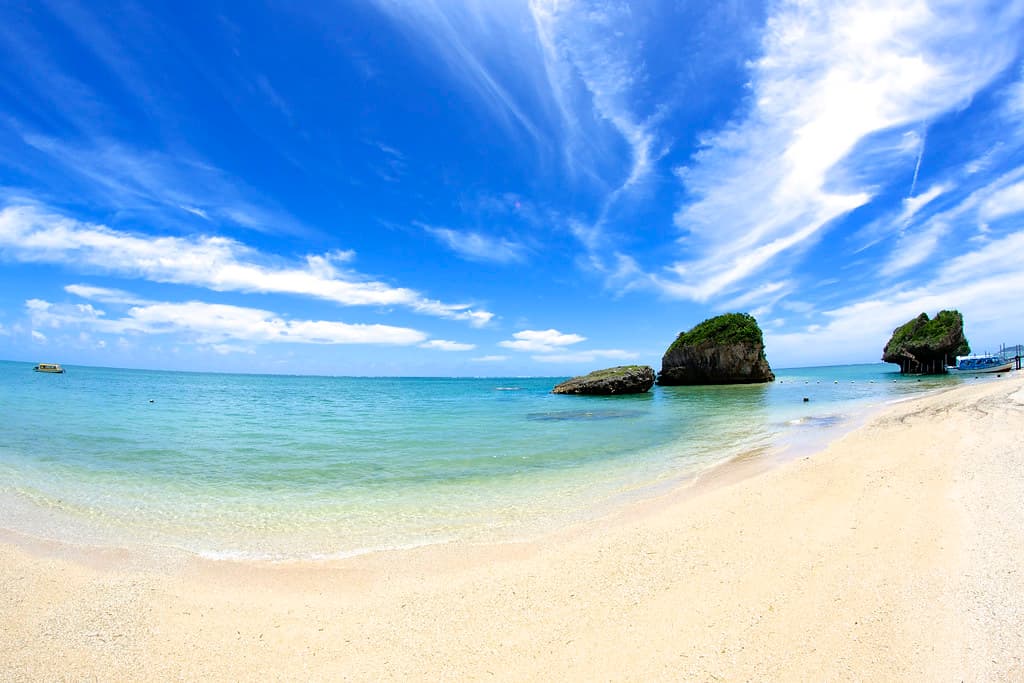
Sefa Utaki Coast Beach isn't your typical sandy sunbathing spot; it's a rugged, rocky expanse in Nanjo, deeply connected to Okinawa's spiritual heart. Located just a stone's throw from Sefa Utaki, a UNESCO World Heritage site and one of the Ryukyu Kingdom's most sacred places, this coastline resonates with ancient energy. Here, the land meets the Pacific in a dramatic display of weathered stone and crashing waves. The terrain is characterized by dark, sculpted rocks, forming natural alcoves and ledges that invite exploration. The air carries a different weight here, a sense of reverence that complements the raw power of the ocean. You won't find umbrellas or beach vendors; instead, you'll encounter a profound quiet, broken only by the roar of the surf and the cries of seabirds. This beach is for the introspective traveler, the one who seeks connection beyond the superficial. It's a place to reflect, to feel the ancient pulse of Okinawa, and to witness the untamed beauty of its southern coast. Wear sturdy shoes, bring your camera, and prepare for an experience that is as much about the spirit as it is about the stunning natural landscape.
Places, rentals, tours and events within walking and driving distance of Sefa Utaki Coast Beach.
Photos
Sefa Utaki Coast Beach is primarily rocky and not ideal for traditional swimming. The coastline features coral rock formations, uneven surfaces, and potentially sharp edges that make water entry challenging. There are no lifeguards or safety facilities. While you can wade in shallow areas during calm conditions, the rocky nature creates hazards for swimmers. This beach is better suited for tide pooling, coastal walks, and scenic viewing rather than swimming. If you do enter the water, wear protective reef shoes and exercise extreme caution around slippery rocks and marine life.
The best time to visit is early morning or late afternoon during weekdays from April to November, avoiding peak midday heat and crowds visiting the nearby sacred Sefa Utaki site. Low tide periods are ideal for exploring tide pools and coastal rock formations. The shoulder seasons of April-May and September-October offer pleasant weather with fewer tourists. Consider timing your visit to experience both the beach and the sacred site in the same trip. Sunrise visits provide stunning light for photography and a spiritual atmosphere befitting the location's cultural significance.
Sefa Utaki Coast Beach is accessible via rental car, located near the famous Sefa Utaki sacred site in Nanjo City on Okinawa's southern peninsula. From Naha, take Route 331 southeast along the coast; the drive takes approximately 40-60 minutes. Follow signs to Sefa Utaki, and the coastal area is nearby. Some bus services run to Sefa Utaki from Naha, though schedules are infrequent. Parking is available at the Sefa Utaki facility. A rental car provides the most flexibility for exploring this area and nearby southern coast attractions.
Dining options near Sefa Utaki Coast Beach are limited to small cafes and restaurants scattered throughout Nanjo City, typically within a 5-15 minute drive. The Sefa Utaki visitor area may have a small shop or vending machines. For more dining variety, head to nearby Chinen or toward Naha. Accommodation in the immediate area is sparse; most visitors stay in Naha or southern resort areas and visit as a day trip. Some guesthouses and small hotels can be found in Nanjo, offering a quieter alternative to busy tourist centers.
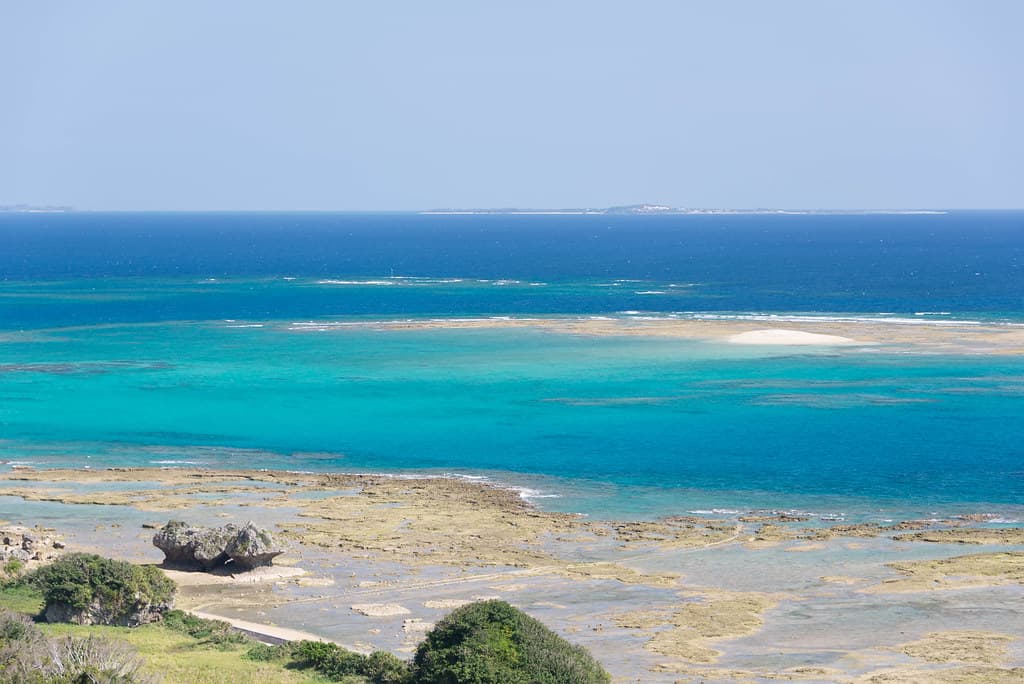
The coast near Sefa Utaki holds deep spiritual importance as it's adjacent to Okinawa's most sacred Utaki (sacred site) in the indigenous Ryukyuan religion. Historically, this was a place of pilgrimage where Ryukyuan royalty and priestesses prayed. The coastal views from the area overlook Kudaka Island, considered the mythological birthplace of the Ryukyuan people and gods. The natural rock formations and ocean vistas are integral to the site's spiritual landscape. Visitors should approach with respect, maintaining quiet reverence and following posted guidelines regarding sacred areas and photography restrictions.