Counting the wavesβ¦
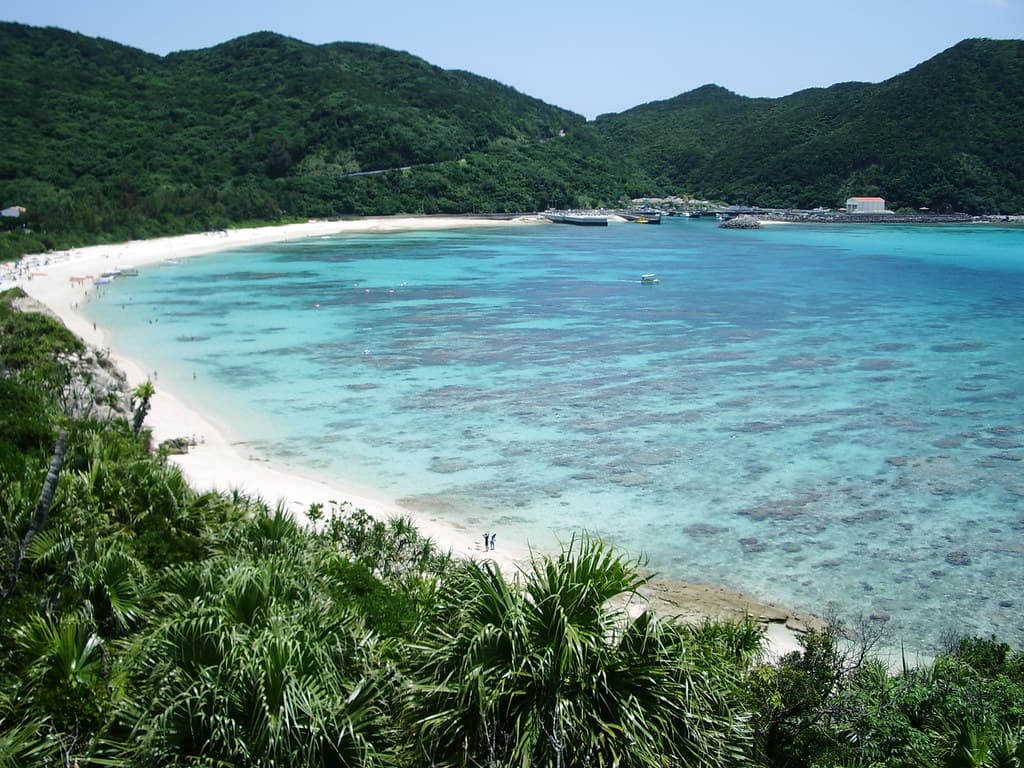
Seek out Kubandaki Beach on Tokashiki, and you'll find a quiet sanctuary. This sandy cove, often overlooked, offers a genuine sense of solitude. The fine grains of sand cushion your steps as you approach the water's edge, where the sea presents a canvas of soft blues and greens. The absence of throngs means you can claim a generous patch of sand for yourself, listening to the subtle whisper of the waves rather than the chatter of fellow travelers. Itβs a place to shed the day's demands, to read a book undisturbed, or simply to gaze out at the horizon, feeling the warmth of the Okinawan sun on your skin. For those who value peace above all else, Kubandaki delivers. Pack a simple lunch, bring a towel, and prepare to lose track of time in this unassuming yet utterly captivating corner of the Kerama Islands. Itβs an invitation to slow down and reconnect with the simple beauty of nature.
Places, rentals, tours and events within walking and driving distance of Kubandaki Beach.
Photos
Kubandaki Beach is generally safe for swimming during calm weather conditions, particularly in summer months. The beach has a gentle slope and sandy bottom, making it suitable for swimmers of various skill levels. However, there are no lifeguards on duty, so exercise caution and swim at your own risk. Check weather forecasts before visiting, as conditions can change quickly. Avoid swimming during high waves or storms. The quiet, local nature of this beach means fewer people are around in case of emergencies, so never swim alone. Basic swimming ability is recommended, and children should be supervised closely at all times.
The best time to visit Kubandaki Beach is from May through October when weather is warmest and seas are calmest. For the quietest experience, visit during weekdays or shoulder seasons (May-June, September-October) when even fewer tourists venture here. July and August offer ideal swimming conditions but may see slightly more visitors. Winter months can be windy with cooler temperatures, though the beach remains accessible. Early morning and late afternoon provide the most peaceful atmosphere and beautiful lighting. Since this is a local favorite, you might encounter island residents, especially on weekends, offering a more authentic cultural experience.
To reach Kubandaki Beach, take a ferry from Naha's Tomari Port to Tokashiki Island (35-70 minutes depending on ferry type). From Tokashiki Port, the beach is best accessed by rental bicycle, scooter, or car, as it's located away from the main village. Some guesthouses offer bicycle rentals or can arrange transportation. The journey takes approximately 15-20 minutes by vehicle. Limited parking is available near the beach. Walking is possible but takes about 40-50 minutes from the port. Ask locals for directions, as signage may be limited. The road is paved but includes some hills.
Kubandaki Beach has minimal to no facilities, reflecting its quiet, undeveloped character. There are no restaurants, shops, restrooms, or shower facilities at the beach itself. Visitors should bring all necessary supplies including food, drinks, sun protection, and beach equipment from Tokashiki village. The main village area has several small restaurants, a convenience store, and accommodation options where you can purchase supplies. Plan ahead and pack everything you need for the day, including sufficient water and snacks. There's no shade infrastructure, so bring umbrellas or a beach tent. The nearest public facilities are back in the village.
Kubandaki Beach offers an authentic, uncommercial experience that contrasts sharply with Tokashiki's more famous beaches like Tokashiku and Aharen. Its appeal lies in genuine tranquility and the absence of tourist infrastructure, attracting visitors seeking solitude. The beach is favored by local residents, providing cultural insight and a more intimate island experience. Without crowds, you can enjoy uninterrupted views and the natural soundscape of waves and birds. The undeveloped setting preserves pristine coastal beauty. This quiet alternative allows for peaceful contemplation, private picnics, and a true sense of discovery that's increasingly rare in popular destinations.