Counting the wavesβ¦
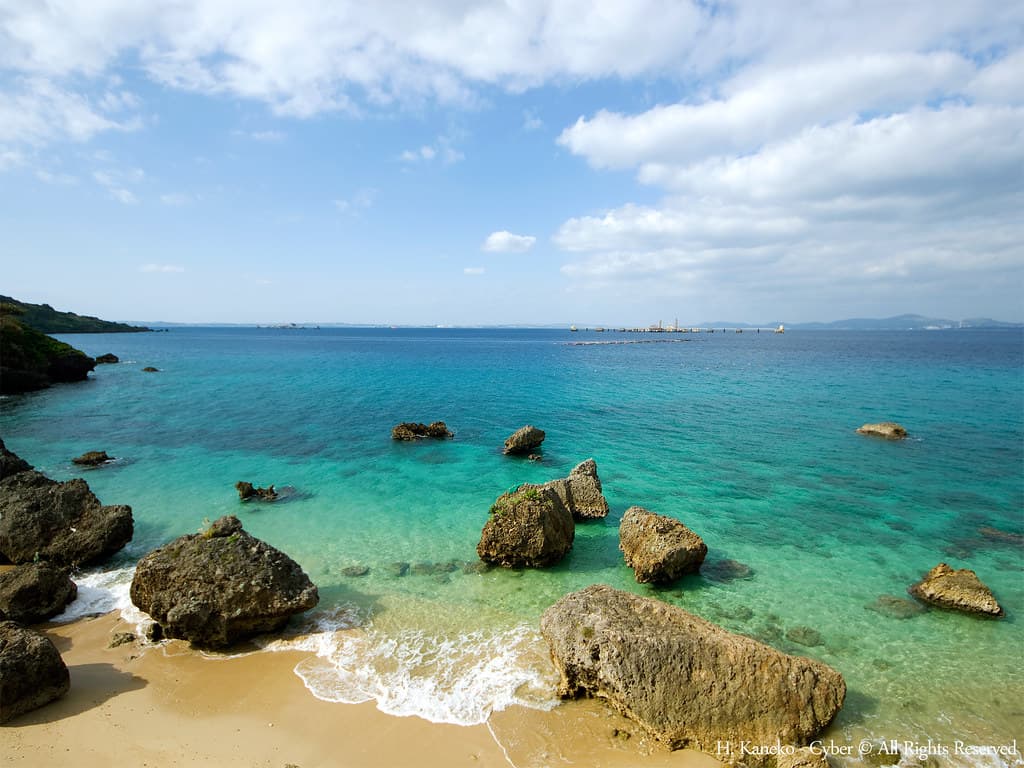
Hamahiga Island Beach, nestled on the culturally rich Hamahiga Island, is more than just a beautiful coastline; it's a place steeped in Okinawan mythology. Accessible via a scenic bridge, the island immediately transports you to a quieter, more traditional world. The beach itself features soft, pale sand that gently meets the calm, inviting waters of the Pacific, often shimmering with shades of jade and azure. What makes Hamahiga truly special is its profound sense of peace and connection to ancient Ryukyuan beliefs. This island is considered the birthplace of Okinawan civilization, home to sacred sites and a palpable spiritual energy. The beach offers a serene backdrop for contemplation, where the gentle lapping of waves feels like a timeless rhythm. You won't find bustling resorts here, but rather a respectful quiet that honors the island's heritage. Beyond the beach, explore the charming, narrow streets of the island's two villages, where traditional Okinawan houses stand testament to a bygone era. Enjoy fresh seafood at a local eatery, or simply find a secluded spot on the sand to watch the clouds drift by. Hamahiga Island Beach is an enriching experience, blending natural beauty with cultural depth for a truly peaceful and memorable visit.
Places, rentals, tours and events within walking and driving distance of Hamahiga Island Beach.
Photos
Hamahiga Island Beach offers generally safe swimming during calm conditions, typically in spring and summer months. However, as an east coast Pacific-facing beach, it can experience stronger currents and waves compared to sheltered west coast locations. Lifeguard services are limited or absent, so visitors must assess conditions independently. Avoid swimming during high winds, rough seas, or winter months when conditions are more challenging. The quiet nature of the beach means fewer people around in emergencies. Wear water shoes for protection against rocks and coral. Always check weather forecasts and ocean conditions before your visit.
Hamahiga Island naturally attracts fewer visitors than mainstream Okinawan beaches, making it peaceful most times. Weekdays throughout the year offer the quietest experience. Spring months (April-May) and early autumn (September-October) combine pleasant weather with minimal crowds. Summer weekends may see some local visitors, but rarely feel overcrowded. Winter brings the fewest people but cooler temperatures and rougher seas. Early morning visits any season guarantee solitude. The island's remote feel and limited promotion mean even during peak Japanese holiday periods, you'll find significantly fewer crowds than at resort beaches on Okinawa's west coast.
Hamahiga Island is accessible by car via the Kaichu-doro (Marine Highway), a causeway system connecting islands east of Uruma City. From Naha, drive approximately 70-90 minutes via Route 329 or the Okinawa Expressway to Uruma, then cross the causeway passing through Henza and Miyagi Islands to reach Hamahiga. Rental car is essential as public buses don't service these remote islands. The causeway crossing is free and offers spectacular ocean views. Parking is available near beach access points. The drive itself is part of the experience, showcasing Okinawa's island-hopping geography without needing ferries.
Hamahiga Island has very limited dining and accommodation options befitting its small, peaceful character. A few local restaurants and cafes serve traditional Okinawan food and fresh seafood, but choices are sparse and may have irregular hours. Bringing your own food and drinks for beach visits is recommended. Accommodation is minimal, possibly a small guesthouse or vacation rental for those seeking extended stays in tranquil settings. Most travelers visit as a day trip from Uruma, Okinawa City, or Naha where fuller services exist. The nearby islands on the causeway route may offer additional modest dining options.
Hamahiga Island Beach stands out for its peaceful, undeveloped coastline that preserves traditional Okinawan island character increasingly rare in developed areas. The scenic beauty combines turquoise waters, rocky outcrops, and natural vegetation without commercial beach facilities or resort development. The island maintains an authentic fishing village atmosphere, offering cultural insight beyond typical beach tourism. Panoramic ocean views and the journey across the island-hopping causeway create a sense of adventure and isolation. The east coast Pacific exposure provides different marine ecosystems and wave patterns than west coast beaches. This peaceful authenticity attracts those seeking nature and tranquility over amenities.