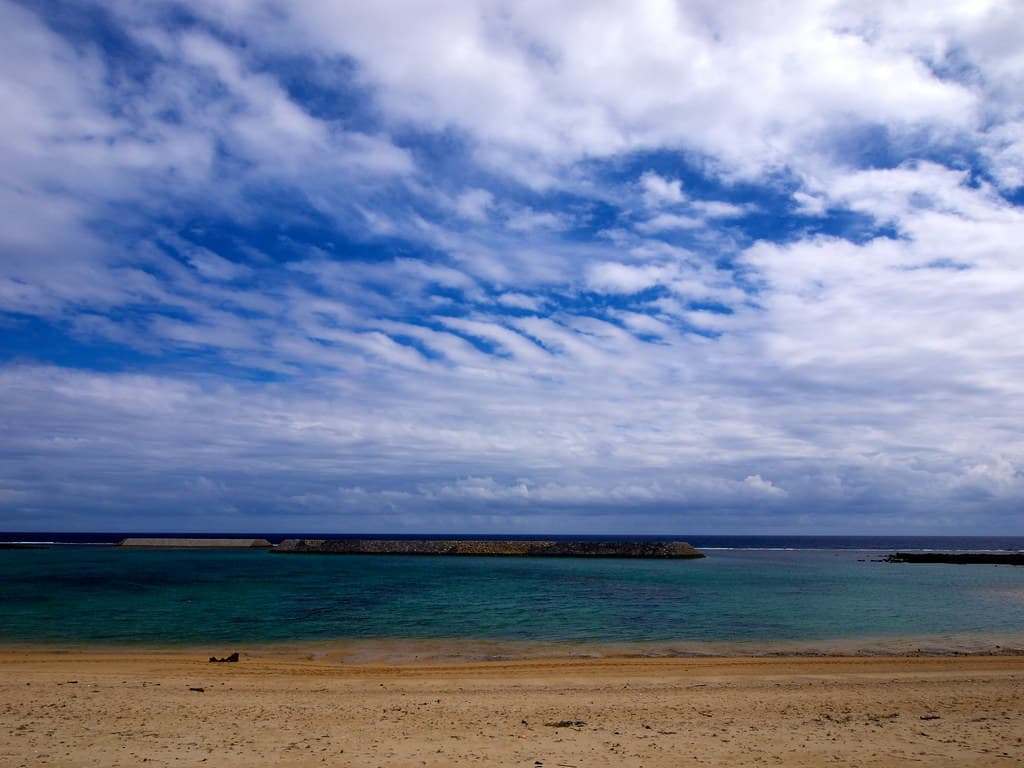
Counting the waves…
Counting the waves…
A refined fusion of water purity, environmental stability, and communal vibrancy for Higashi-zaki Beach.
View MethodologyAnalyzed via live sensors and environmental data.
Wave height, wind, and atmospheric stability.
Live footfall and crowd balance metrics.
Community reviews and curated sentiment.
“Feel the wind whip through your hair as you stand atop the rugged cliffs of Higashi-zaki, where the Pacific Ocean stretches endlessly before you. This isn't a beach for sunbathing, but for witnessing nature's raw power,…”
Limited recent visitor reports — live OBI telemetry is your best guide for current conditions.
Higashi-zaki, the easternmost cape of Yonaguni Island, is less a beach in the traditional sense and more a dramatic geological masterpiece. Here, the land plunges into the Pacific with a series of formidable, dark rock formations, sculpted over millennia by the relentless force of the ocean. The air is thick with the scent of salt and the roar of waves, a constant reminder of the raw power at play. This is a place where you come not to recline on sand, but to stand in awe, to feel the spray on your face, and to witness the sheer scale of the natural world.
The coastline here is a mosaic of jagged basalt, tide pools teeming with miniature life, and hidden coves that reveal themselves with the ebb and flow. While swimming might be challenging due to the powerful currents and rocky terrain, the opportunities for exploration are boundless. Imagine clambering over ancient stones, discovering secluded spots where only the seabirds dare to nest, or simply sitting in quiet contemplation, watching the horizon stretch into infinity. The wild horses that roam the cape add another layer of untamed beauty, their silhouettes against the vast ocean a truly iconic sight.
 Credit: Unsplash
a beach with a sandy beach and green bushes
 Credit: Unsplash
white flowers near sea under blue sky during daytime
Dramatic cliffscapes
Rocky tide pools
Wild Yonaguni horses
Prime Visitation
Best Weather
Where it is
Higashi-zaki Beach
Yonaguni, Okinawa, Japan
24.466200°, 122.986400°
Weather
Loading…
Swell
—
Temp
Warm · Restorative
UV Index
Moderate
Wind
—
Tidal State
Last known
Max Sunlight
—
Ideal Shade
—
May - Sep (Peak)
Jan - Dec (Off-season)
Historical data suggests peak visibility and stable sea temperatures occur during the prime visitation window.
Near Higashi-zaki Beach
Explore dining, stays, nightlife, and activities near Higashi-zaki Beach in Yonaguni, Japan. Every listing below is a real place linked to this beach — open a card for reviews, maps, and booking options.
Stays and lodging options near Higashi-zaki Beach for your beach trip.
Select a category to load nearby places.
Unlock restaurants, luxury stays and curated maritime experiences within 2km
Swimming is generally not recommended at Higashi-zaki Beach due to rocky terrain, strong currents, and unpredictable waves. This location is primarily known for dramatic cliff scenery rather than beach activities. The rugged coastline makes water entry difficult and potentially dangerous. Divers frequent the area, but only with professional guides familiar with local conditions. If you do enter the water, wear protective footwear and stay extremely cautious. The primary draw is scenic viewing and photography from the cliffs, not swimming or snorkeling.
The best weather occurs from April to October, offering clearer skies for viewing the dramatic coastal cliffs and seascapes. Spring and early summer provide comfortable temperatures and good visibility. Winter months can be windy and rough, though this creates spectacular wave action against the rocks. Visit during daylight hours for safety on the rocky terrain. Sunrise and sunset offer exceptional photographic opportunities. Consider that Yonaguni's weather can be unpredictable year-round, so check forecasts before visiting this exposed coastal area.
First, reach Yonaguni Island via flight from Ishigaki or Naha, or by ferry from Ishigaki (seasonal and weather-dependent). From Yonaguni's main settlement, rent a car or scooter, as public transportation is extremely limited. The beach is on the island's eastern coast, accessible via coastal roads. The drive offers scenic views but roads can be narrow. Signage may be limited, so GPS or a local map is helpful. Allow time for stops along the way to appreciate the wild, dramatic coastline characteristic of Japan's westernmost island.
The beach itself has no facilities. Yonaguni Island has limited accommodation and dining options concentrated in the main town of Sonai. Several small guesthouses, minshuku (family-run inns), and a few hotels are available, but advance booking is essential. Restaurants are few and often close early; many accommodations offer meal plans. Bring snacks and water when exploring remote coastal areas like Higashi-zaki. The nearest convenience stores and shops are in Sonai. Yonaguni's remote location means supplies are limited compared to larger islands.
Higashi-zaki represents Japan's westernmost point, making it geographically significant and symbolically powerful. Unlike Okinawa's typical white-sand beaches, this offers dramatic rocky cliffs, wild scenery, and a sense of frontier remoteness. The rugged landscape feels untouched and authentic, appealing to adventurous travelers. On clear days, you might see Taiwan in the distance. The area attracts divers interested in Yonaguni's famous underwater ruins and unique marine life. This beach epitomizes wild, natural beauty over the typical tropical resort experience.
Photos