Counting the waves…
Counting the waves…
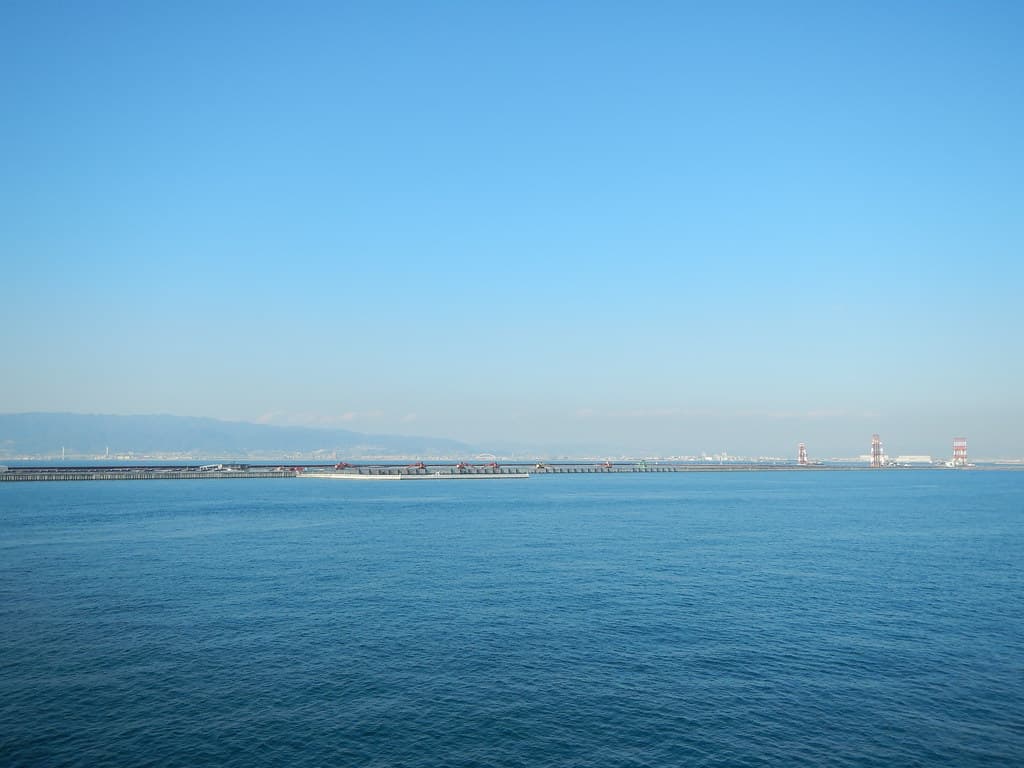
Hagoromo Beach, though situated in an industrial zone, holds a quiet charm that belies its surroundings. This sandy strip, historically known for its white sands and iconic pine trees, offers a refreshing contrast to the concrete jungle. The soft, pale sand invites you to kick off your shoes and feel the gentle warmth beneath your feet, a rare luxury in this part of Osaka. What truly distinguishes Hagoromo is its connection to local legend and its enduring natural elements. The scattered pine trees, some gnarled and ancient, evoke a sense of timelessness, providing welcome shade and a rustic beauty. The air, though carrying hints of the nearby port, is predominantly fresh with the scent of pine and salt, creating a surprisingly calming atmosphere. While not a bustling swimming destination, Hagoromo Beach is a cherished spot for leisurely walks, quiet contemplation, and appreciating the subtle beauty of Osaka's coastal heritage. It's a place where you can watch the ships glide by in the distance, feel the sea breeze on your face, and discover a hidden pocket of scenic tranquility. This beach serves as a poignant reminder of the natural beauty that can persist and thrive even in the most unexpected urban settings.
Places, rentals, tours and events within walking and driving distance of Hagoromo Beach.
Photos
Hagoromo Beach is not actively managed as a public swimming beach and lacks facilities like lifeguards, changing rooms, or safety equipment. Swimming is generally not recommended due to water quality concerns in this industrial coastal zone of Osaka Bay and absence of safety infrastructure. The beach is better suited for walking, historical appreciation, and coastal views. If you're seeking swimming opportunities in the Osaka area, consider beaches further south along the Senshu coast with proper recreational facilities and clearer water.
Hagoromo Beach is quietest during weekday mornings and late afternoons, ideal for peaceful walks and contemplation of its historical significance. Spring offers comfortable weather and possible cherry blossom views in nearby areas. Autumn provides clear skies and pleasant temperatures. The beach has cultural-historical value related to the famous Hagoromo legend, so visiting during local festivals or cultural events can add context. Since it's not a recreational beach, seasonal timing matters less than weather conditions—visit on clear days for better visibility and photos.
From central Osaka, take the Nankai Main Line toward Wakayama and get off at Hagoromo Station (approximately 30-40 minutes). From the station, Hagoromo Beach is about a 15-20 minute walk westward toward Osaka Bay. Local buses may also serve the area. The beach sits in a somewhat industrial zone, so clear signage may be limited. Using navigation apps is recommended. Alternatively, driving provides more flexibility for exploring this less-touristed coastal area. The proximity to Hamadera makes combined visits possible.
Hagoromo Beach is in a primarily residential and light-industrial area with limited tourist infrastructure. Small local restaurants and convenience stores can be found near Hagoromo Station and in surrounding neighborhoods. For more dining variety, nearby Sakai or central Osaka offer better options. Accommodation is sparse in immediate vicinity; visitors typically stay in Sakai, Osaka city, or near Kansai Airport. Day trips from Osaka are most practical. The area caters to locals rather than tourists, so expect authentic neighborhood dining rather than tourist-oriented establishments.
Hagoromo Beach connects to the famous Japanese legend of the celestial maiden whose feather robe (hagoromo) was hidden by a fisherman, preventing her return to heaven. The area once featured beautiful white sands and pine trees, celebrated in classical poetry and art as one of the scenic coastal spots of old Settsu Province. Though modernization and industrialization have transformed the landscape, the beach retains cultural-historical significance. Nearby Hagoromo Shrine commemorates the legend. Visiting offers insight into how Osaka's coastline has evolved over centuries from scenic beauty to industrial functionality.