Counting the wavesβ¦

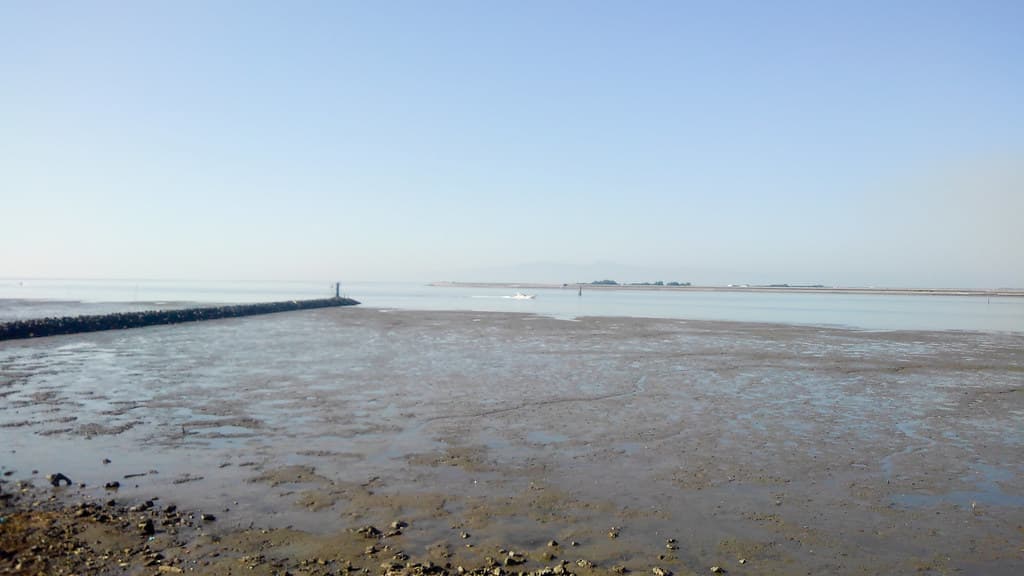
Higashiyoka Coast is a well-kept secret, a sprawling mudflat that feels miles away from the nearest town. Its remote location is precisely its charm, offering an undisturbed sanctuary for both nature and those who seek it. The air here is clean and invigorating, carrying the subtle scent of the sea and damp earth. This coast is particularly renowned for its rich birdlife. At low tide, the exposed mudflats become a bustling feeding ground, attracting a diverse array of migratory birds. Bring your binoculars; you're likely to spot everything from elegant waders to elusive shorebirds, making it a prime destination for birdwatchers and nature photographers. While not a beach for swimming or sunbathing, Higashiyoka Coast provides an immersive experience in a pristine natural environment. It's a place to observe, to listen, and to appreciate the delicate balance of an untouched ecosystem. Come to Higashiyoka when you crave solitude and a profound connection with the wild heart of the Saga coast.
Places, rentals, tours and events within walking and driving distance of Higashiyoka Coast.
Photos
Higashiyoka Coast is generally safe for exploration but requires awareness of tidal conditions. As a mudflat area, the terrain changes dramatically between high and low tide. Check tide schedules before visiting and be cautious of incoming tides. Swimming is not recommended due to the mudflat nature. The soft mud can be challenging to walk through. Wear appropriate footwear and stay on firmer ground. This is primarily a bird-watching and nature observation area.
The best time for birdwatching at Higashiyoka Coast is during spring and autumn migration periods when diverse bird species pass through the Ariake Sea region. Winter also brings migratory waterbirds. Visit during low tide when mudflats are exposed and birds feed actively. Early morning offers optimal birdwatching conditions with better light and more bird activity. Bring binoculars and check tide tables. Good weather improves visibility and access to this remote coast.
Higashiyoka Coast is located in Saga city along the Ariake Sea coast. Access requires a car as this remote area has limited public transportation. From central Saga, drive south toward the coastal areas, following roads to Higashiyoka. GPS navigation is recommended as the area is not heavily signposted. The drive takes approximately 20-40 minutes depending on your location. Parking is typically informal. The remote location means fewer facilities and services.
Higashiyoka Coast is remote with no facilities directly at the site. Dining and accommodation options are available in Saga city, the prefectural capital, which offers diverse restaurants featuring local Saga beef and fresh seafood. Hotels range from business accommodations to traditional inns. The coastal area is best visited as a day trip. Bring water and snacks as there are no vendors. Plan meals in Saga city before or after your coastal visit.
Higashiyoka Coast attracts various waterbirds and shorebirds due to its mudflat ecosystem along the Ariake Sea. While specific species vary by season, the area typically hosts herons, egrets, plovers, sandpipers, and various migratory waterfowl. The nutrient-rich mudflats provide excellent feeding grounds during low tide. The remote, bird-rich environment makes it a valued spot for nature enthusiasts and birdwatchers seeking a peaceful, scenic coastal experience away from developed areas.