
Counting the waves…
Counting the waves…
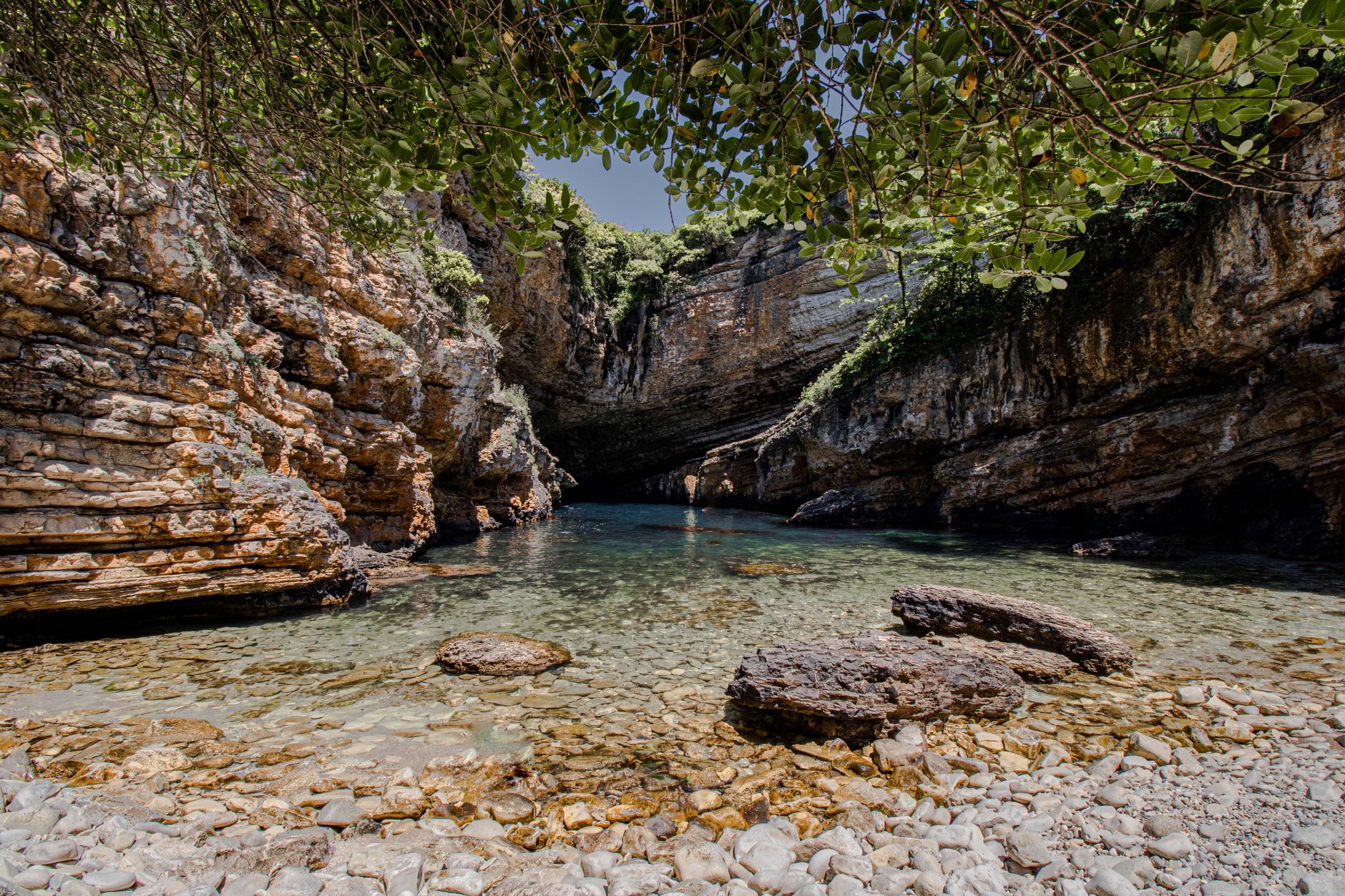
The descent requires both hands in places, roots serving as natural handholds where the path cuts through maritime forest. You emerge onto a beach of rounded stones, each one polished by centuries of wave action until they click and rattle with every surge. The cove measures perhaps fifty meters across, enclosed by basalt cliffs streaked with rust and jade from mineral deposits. Water here shifts from deep navy to jade depending on cloud cover and tide. The rocky barriers on either side create a natural amphitheater, focusing the sound of the sea until it's all you hear. At high tide, waves reach the cliff base, but as water retreats, tidal shelves expose themselves, layered like geologic history books. Hermit crabs navigate between barnacle colonies, and you'll spot sea stars clinging to rocks in the splash zone. The cove faces east, catching morning light that turns the wet stones into a mosaic of grays, blacks, and browns. By afternoon, the cliffs cast shadows across half the beach, creating a natural division between sun and shade. You won't find trash here—the difficult access acts as a filter, admitting only those willing to work for their solitude. When you climb back up, your calves will remind you why this place stays empty.
Places, rentals, tours and events within walking and driving distance of Chibu Hidden Cove.
Photos
Swimming at Chibu Hidden Cove requires caution due to its remote location and lack of lifeguard services. Water conditions vary significantly with weather and tides. The sheltered cove nature can provide calmer waters than exposed beaches, but currents and underwater rocks may present hazards. Only experienced swimmers should enter the water, and never swim alone. Check weather forecasts and local conditions before visiting. The cove's isolation means help is not immediately available in emergencies, so prioritize safety and inform others of your plans.
Chibu Hidden Cove naturally attracts fewer visitors due to its remote Oki Islands location. Weekdays during shoulder seasons (May-June, September-October) offer the most solitude with pleasant weather. Summer months see slightly more visitors but rarely feel crowded. Early mornings provide the quietest experience regardless of season. Ferry schedules to the Oki Islands limit daily visitor numbers naturally. Winter visits offer complete isolation but harsh weather conditions. The cove's hidden nature means you'll likely enjoy peaceful surroundings whenever you visit, unlike mainland beaches.
Reaching Chibu Hidden Cove requires dedication. First, take a ferry to the Oki Islands from mainland Shimane (Sakaiminato or Shichirui ports), then potentially transfer between islands depending on which island Chibu is located. Ferry journeys take 2-3 hours. On the island, you'll need local transportation or rental car, as the cove isn't on main routes. The final approach may require hiking or navigating unmarked paths. Local inquiry is essential for specific directions. Weather can affect ferry schedules, so build flexibility into your plans.
Accommodation and dining near Chibu Hidden Cove are extremely limited due to its remote location. Small family-run minshuku or guesthouses on the island require advance booking and may have irregular availability. Meals are typically provided by your accommodation using local ingredients and fresh seafood. No facilities exist at the cove itself, so bring all necessary supplies including water and snacks. The nearest shops and restaurants are in the island's main settlement areas. This remoteness is part of the cove's appeal for those seeking authentic island experiences.
Chibu Hidden Cove rewards adventurous travelers with unspoiled natural beauty and genuine solitude increasingly rare in modern Japan. Its hidden nature within the Oki Islands UNESCO Global Geopark means pristine waters, unique geological formations, and exceptional marine life. The cove offers intimate connection with nature without commercial development or crowds. Dramatic coastal scenery, crystal-clear water, and the journey itself create memorable experiences. For photographers, nature lovers, and those seeking authentic hidden gems, the cove represents coastal Japan as it existed before mass tourism, making the challenging access worthwhile.