Counting the wavesβ¦
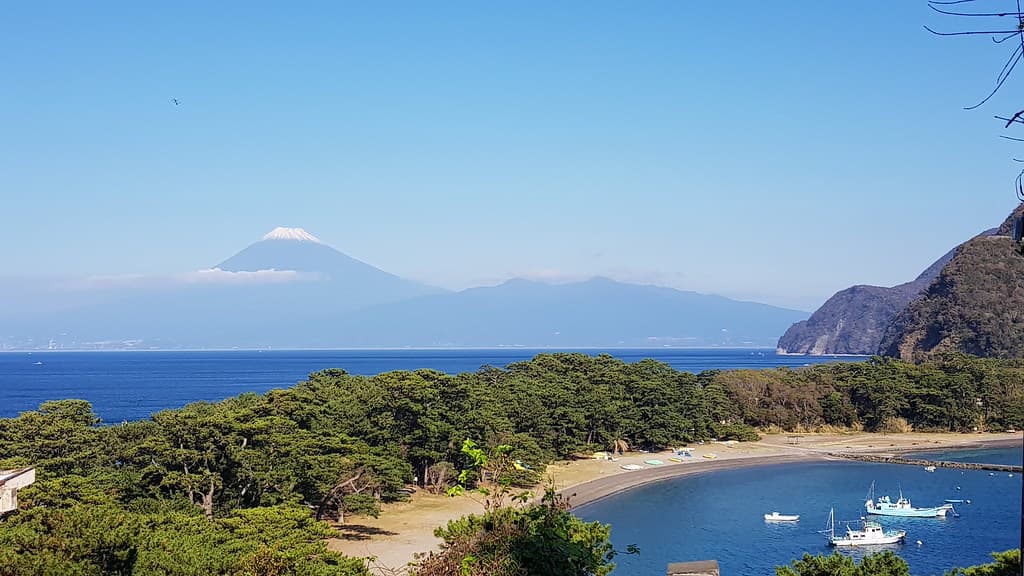
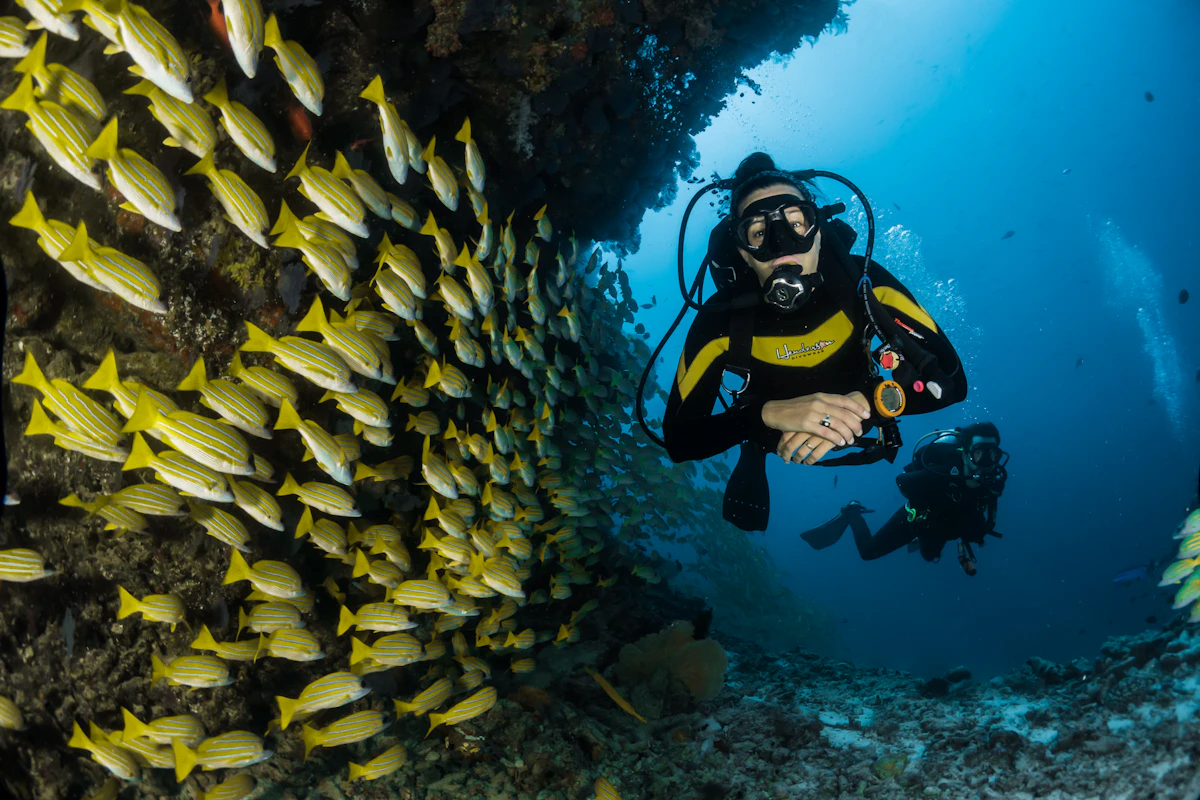
Osezaki Beach is not your typical sandy escape; it's a celebrated pebble beach forming a narrow peninsula, creating a unique natural harbor on one side and facing the open expanse of Suruga Bay on the other. This geographical anomaly is precisely what makes it a mecca for divers and snorkelers, drawing enthusiasts from across Japan and beyond. The calm, protected waters of the inner bay boast exceptional visibility, often reaching depths that reveal a kaleidoscope of marine life. You'll encounter schools of colorful fish, intricate coral formations, and perhaps even larger pelagic species, all thriving in this pristine environment. Dive shops are readily available, offering gear rentals and guided excursions for all skill levels. Beyond its underwater allure, Osezaki offers a tranquil setting for non-divers too. The pebble beach is perfect for sunbathing, and the views across Suruga Bay are expansive and beautiful. A small shrine, Ose Shrine, sits at the tip of the peninsula, adding a touch of cultural significance to this remarkable natural wonder, making it a truly multifaceted destination.
Places, rentals, tours and events within walking and driving distance of Osezaki Beach.
Photos
Osezaki Beach is primarily known as a diving and snorkeling destination rather than a traditional swimming beach due to its pebble composition and underwater topography. The area is generally safe for experienced snorkelers and divers, with diving schools and services operating year-round. Water visibility is typically excellent, which contributes to its reputation among diving enthusiasts. However, currents can be present, and the pebble shore can be challenging to navigate. Swimming is possible but less comfortable than at sandy beaches. Always check with local dive operators for current conditions before entering the water.
Osezaki Beach welcomes divers year-round, but each season offers different experiences. Summer (July-September) provides warmest water temperatures and best conditions for beginners, though it's busier. Spring and autumn offer good visibility with moderate temperatures and fewer crowds. Winter diving is popular among experienced divers for exceptional water clarity, though a wetsuit or drysuit is essential. For general beach visits, late spring through early autumn provides the most pleasant weather. Weekdays tend to be less crowded than weekends, which is beneficial for divers seeking parking and facilities access.
Osezaki Beach is located on the western coast of Numazu city on the Izu Peninsula. By train, take the JR Tokaido Line to Numazu Station, then catch a bus bound for Osezaki (approximately 50-60 minutes). Bus service can be infrequent, so checking schedules in advance is important. Driving is more convenient, taking about 40 minutes from Numazu Station via Route 17. From Tokyo, the total journey takes roughly 2.5-3 hours. The area has parking facilities, though they can fill quickly during peak diving season and weekends.
The Osezaki area has several diving-oriented guesthouses and minshuku (family-run inns) that cater specifically to divers, often offering equipment storage and diving support. A few restaurants near the beach serve fresh seafood and standard Japanese meals. Options are somewhat limited compared to larger resort areas, so many visitors bring their own food or stay in Numazu city where there's greater variety. Some dive shops have affiliated accommodations with meal plans. The nearest convenience stores are a short drive away. Advance reservations are recommended, especially during diving season.
Osezaki Beach is renowned throughout Japan for its exceptional diving conditions, featuring remarkable water clarity and diverse marine life. The unique geography of Osezaki Bay, formed by a small cape jutting into the ocean, creates protected waters with volcanic underwater topography including interesting rock formations. Divers can encounter various fish species, octopuses, and seasonal marine life. The area is suitable for all skill levels, with designated zones and multiple dive schools offering courses and guided dives. The combination of accessibility, clear waters, and marine biodiversity makes it one of Izu's premier diving destinations.