Counting the waves…
Counting the waves…

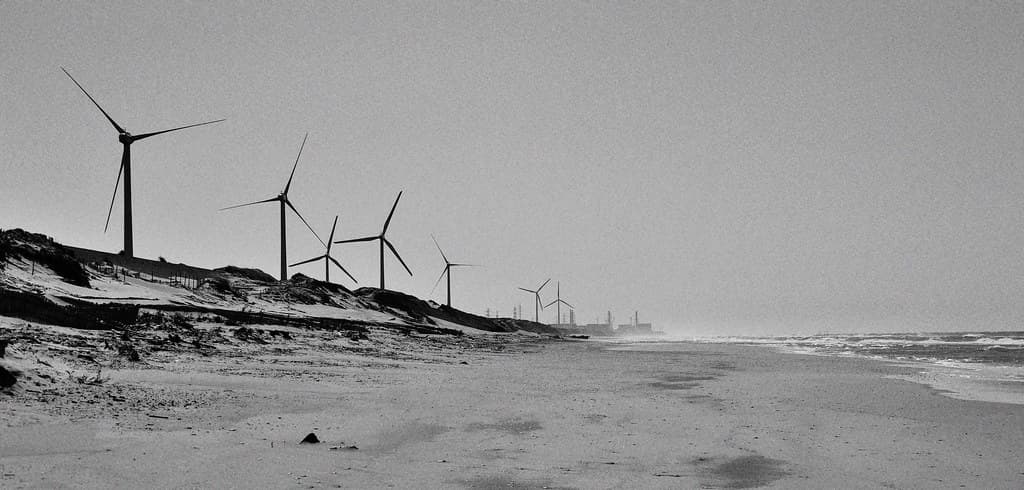
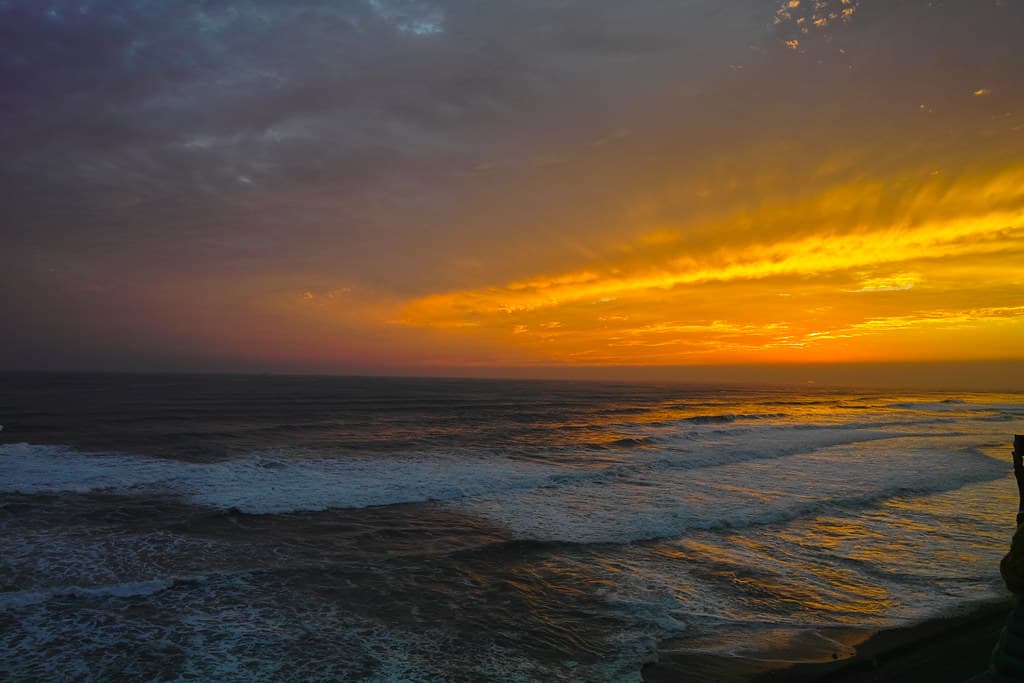
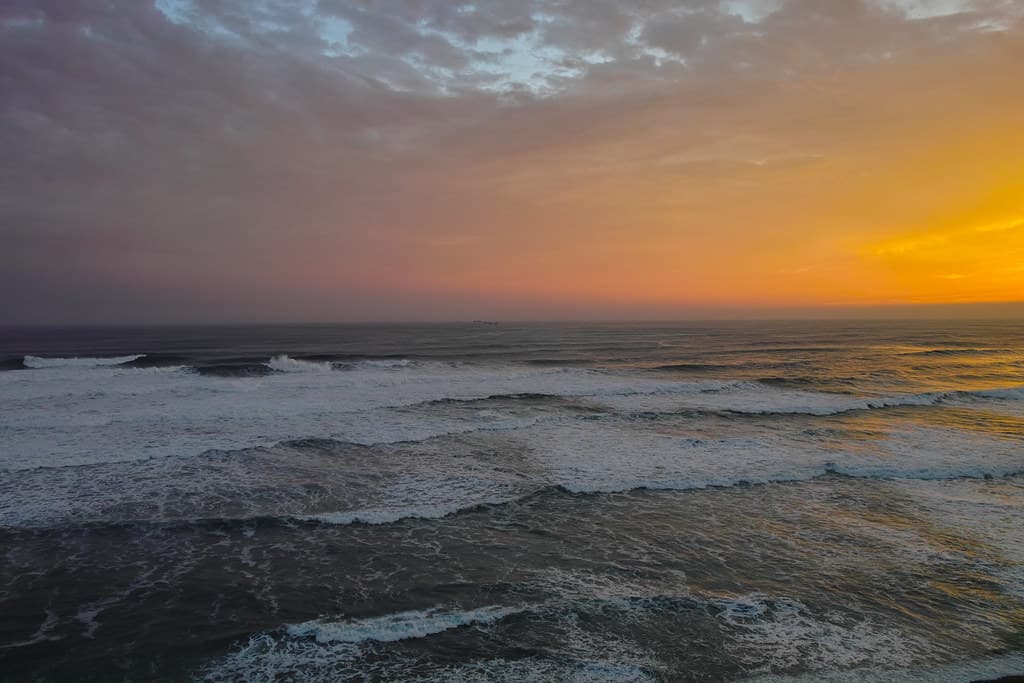
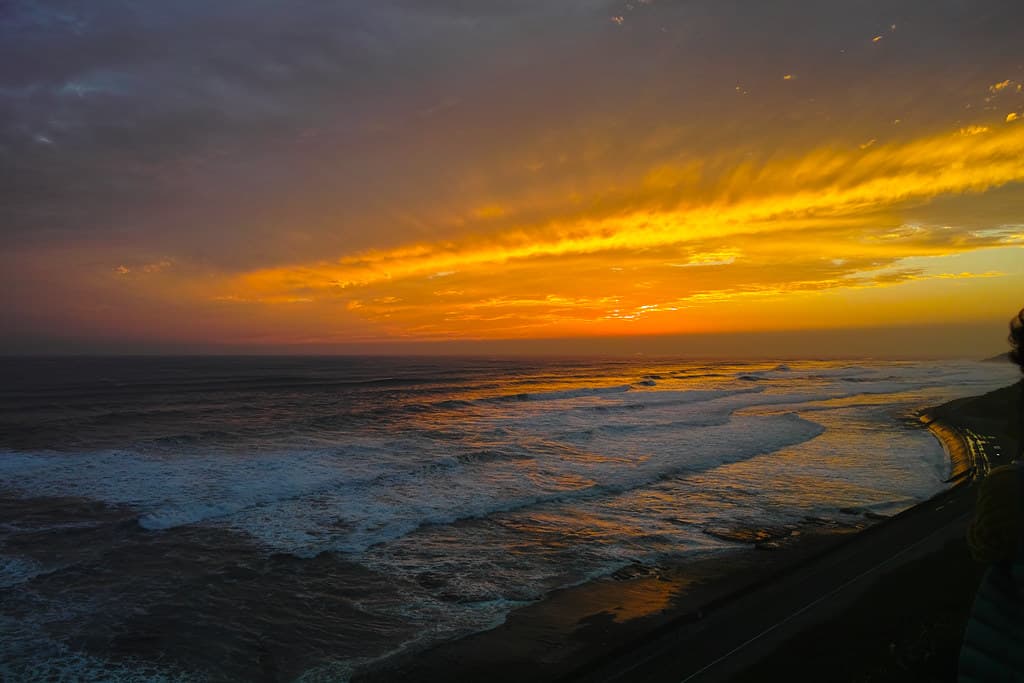
The Omaezaki Lighthouse Coast Beach is less about soft sand and gentle dips, and more about dramatic vistas and the raw power of the ocean. This rugged stretch of coastline is characterized by its rocky outcrops and tide pools, carved by centuries of relentless waves. It’s a place where the land meets the sea with a fierce, unyielding embrace. Dominating the landscape is the iconic Omaezaki Lighthouse, its white tower a stark contrast against the deep blue of the Pacific. A climb to its observation deck rewards you with breathtaking panoramic views, stretching from the distant horizon to the intricate patterns of the coastline below. The air here is crisp, carrying the invigorating scent of salt and sea spray. As evening approaches, the scene transforms. The setting sun casts long shadows over the rocks, and the sky erupts in a spectacle of color, painting the ocean in hues of gold and crimson. It’s a photographer's paradise and a soul-stirring spot for anyone seeking to witness nature's grandeur, a place where the wild beauty of Japan’s coast is on full display.
Places, rentals, tours and events within walking and driving distance of Omaezaki Lighthouse Coast Beach.
Photos
Omaezaki Lighthouse Coast Beach features a rugged, rocky coastline that is not ideal for traditional swimming. The area is characterized by dramatic cliffs, rock formations, and powerful waves crashing against the shore, making it more suitable for sightseeing and photography than water activities. The terrain and ocean conditions can be dangerous for swimming. Visitors should enjoy this beach primarily for its scenic coastal walks, tide pooling when safe, and spectacular views rather than swimming. Always exercise caution near the water as waves can be unpredictable along rocky shorelines.
Omaezaki Lighthouse Coast Beach is stunning year-round, but the best weather typically occurs from spring through autumn (April-November). The location is particularly famous for dramatic sunsets over the Pacific Ocean—arrive at least an hour before sunset for optimal lighting and photography. Clear days offer the best visibility and most vivid colors. Winter can bring powerful waves and dramatic seascapes, excellent for dynamic photography despite cooler temperatures. Early morning also provides beautiful light for photographing the lighthouse and rugged coastline with fewer visitors present.
Omaezaki Lighthouse Coast Beach is located at the southern tip of the Omaezaki Peninsula in Shizuoka. By car from Tokyo, take the Tomei Expressway to Sagara-Makinohara IC, then drive south to Omaezaki—approximately 3 hours total. From Shizuoka city, drive about 90 minutes south. By train, take the Tokaido Shinkansen to Kakegawa Station, then bus or taxi to Omaezaki. The lighthouse and coastal area are accessible by car with parking available nearby. Walking paths lead along the dramatic coastline for various viewpoints.
The Omaezaki area offers several lodging options including minshuku guesthouses, small hotels, and seaside pensions, some providing ocean views and fresh seafood meals. The town of Omaezaki has restaurants specializing in local fish and traditional Japanese cuisine, as it's an active fishing port. Near the lighthouse, you may find small cafes and shops, though options are limited compared to larger towns. For more dining variety, the broader Omaezaki area has family restaurants and convenience stores. Many accommodations include meals featuring regional seafood specialties.
Omaezaki Lighthouse Coast Beach offers dramatic, Instagrammable scenery combining the historic white lighthouse with rugged cliffs and powerful ocean waves. The contrast between the structured lighthouse and wild natural coastline creates compelling compositions. Spectacular sunsets paint the sky and ocean in vibrant colors with the lighthouse as a striking silhouette. The rocky coastline, crashing waves, and sweeping Pacific views provide dynamic, ever-changing photographic subjects. The cape's position at the peninsula's tip offers panoramic ocean vistas. This combination of iconic architecture, dramatic geology, and stunning natural beauty makes it exceptionally photogenic.