Counting the waves…
Counting the waves…
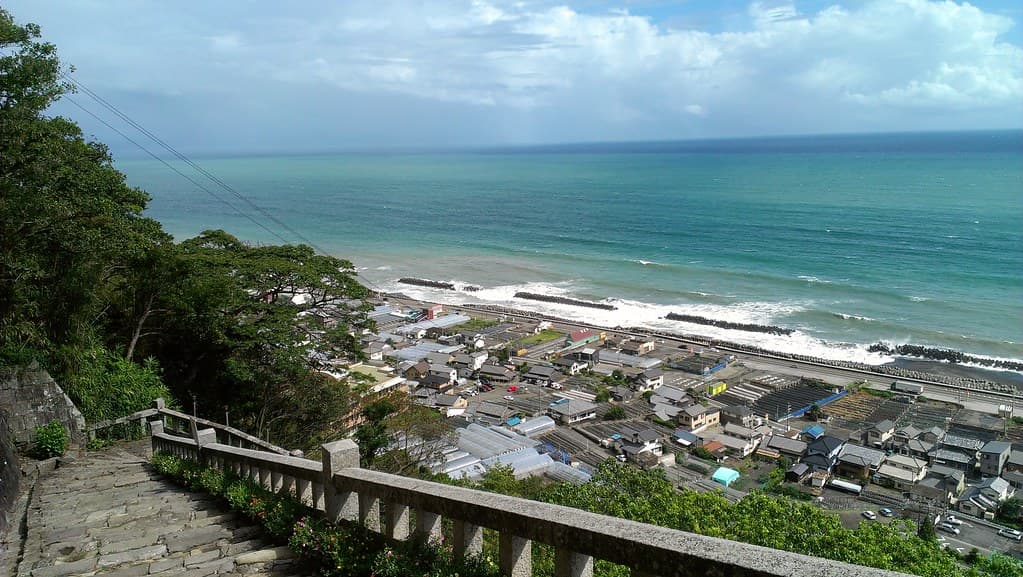
Imagine the scent of salt and fresh fish carried on the wind, a testament to Yaizu's heritage as a bustling fishing port. The coast here is a rugged tapestry of dark, weathered rocks, sculpted by the relentless Pacific waves. Each crevice and tide pool holds secrets, inviting you to explore the miniature ecosystems thriving within. The soundscape is dominated by the crash of waves against stone, a powerful, primal rhythm that resonates with the wild beauty of the place. You might spot local anglers perched precariously on the rocks, patiently waiting for their catch, their silhouettes stark against the expansive ocean. This is a place where nature asserts its dominance, offering a refreshing contrast to manicured tourist spots. As the sun tracks across the sky, the light plays across the textured rocks, revealing shades of grey, brown, and ochre. The distant sight of fishing boats heading out to sea or returning with their bounty adds a dynamic element to the horizon. Yaizu Coast Beach offers an immersive experience, a chance to connect with the raw power of the ocean and the enduring spirit of a Japanese fishing community.
Places, rentals, tours and events within walking and driving distance of Yaizu Coast Beach.
Photos
Yaizu Coast Beach features a rugged, rocky shoreline that is not ideal for traditional swimming. The rocky terrain and fishing-town character mean this coast is primarily valued for its scenery and local atmosphere rather than water recreation. If you do enter the water, be extremely cautious of rocks, uneven surfaces, and wave action. Lifeguard services are generally not available at this underrated local coastline. Water shoes are essential if wading. Most visitors explore the coast for its authentic fishing-town character, coastal walks, and views rather than swimming activities.
Visit during less crowded periods to fully appreciate Yaizu Coast's authentic local character. Weekdays and off-peak seasons offer the most genuine fishing-town atmosphere without tourist crowds. Spring and autumn provide comfortable weather for coastal walks and exploring the fishing harbor area. Early mornings when fishing boats return can be particularly atmospheric and photogenic. Winter visits are possible for those interested in the rugged coastal scenery rather than beach activities. The coast maintains its local vibe year-round, making it appealing whenever you prefer quieter, authentic coastal experiences.
Yaizu is located southwest of Shizuoka along Suruga Bay. From Shizuoka Station, take the JR Tokaido Line to Yaizu Station, approximately 15-20 minutes. From Yaizu Station, the coast and harbor area are accessible by bus, taxi, or bicycle rental. By car, follow Route 150 coastal road toward Yaizu; parking is available near the harbor and coastal areas. The fishing port and coastline are interconnected, so you can explore various points along Yaizu's waterfront. Having your own transportation allows easier exploration of different coastal sections.
Yaizu is a working fishing port famous for bonito and tuna, so fresh seafood restaurants are the highlight. Look for local establishments near the harbor serving sashimi, grilled fish, and donburi bowls featuring the day's catch. The town offers business hotels and smaller Japanese-style accommodations rather than resort properties, maintaining its authentic character. Yaizu Port directly supplies local restaurants, ensuring exceptional freshness. For visitors seeking genuine fishing-town atmosphere and outstanding seafood, staying overnight in Yaizu provides a different experience from typical tourist destinations. Central Shizuoka hotels are also nearby.
Yaizu Coast Beach offers authentic fishing-town character rather than polished tourist beach amenities. The rugged rocky coastline reflects the area's working maritime heritage, with active fishing operations providing genuine local atmosphere. Unlike resort beaches, Yaizu maintains its traditional character as one of Japan's major fishing ports, particularly renowned for bonito catches. Visitors experience real coastal community life, fishing harbor activity, and exceptional seafood dining. The underrated coast combines scenic rugged beauty with cultural authenticity, appealing to travelers who value local experiences over developed tourist infrastructure and prefer discovering hidden coastal gems.