
Counting the wavesβ¦

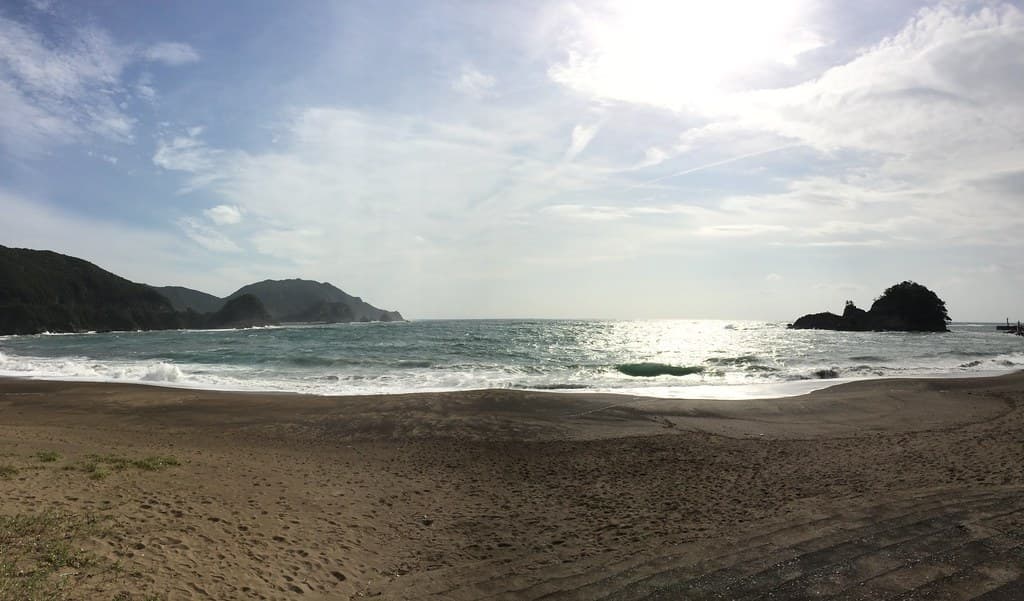
The Kiki Coast offers a stark, beautiful contrast to Minami's sandy stretches, revealing a more rugged, untamed side of the Pacific. This is a landscape sculpted by millennia of ocean and wind, where dark, weathered rock formations plunge dramatically into the churning sea. The air here carries the briny scent of salt and seaweed, a testament to its wild, natural state. Strolling along Kiki Coast feels like stepping into a geological gallery, with each rock face telling a story of erosion and resilience. You'll discover small, secluded coves, perfect for quiet reflection or a private picnic. The soundscape is dominated by the rhythmic crash of waves against stone, a powerful, meditative soundtrack that soothes the soul. This coastline is a photographer's dream, offering endless compositions of light, shadow, and texture. It's a place to slow down, observe the intricate details of marine life in tide pools, and feel the immense power of the ocean. Kiki Coast is not about sunbathing; it's about connecting with the raw, elemental force of nature.
Places, rentals, tours and events within walking and driving distance of Kiki Coast.
Photos
Kiki Coast is primarily a rocky coastline best suited for viewing rather than swimming. The rocky terrain and traditional fishing village setting make it less practical for beach activities compared to sandy swimming beaches. While access to the water may be possible at certain points, there are typically no lifeguards, facilities, or designated swimming areas. Visitors should exercise extreme caution near the water due to rocks, uneven surfaces, and Pacific currents. This coast is better appreciated for coastal walks, photography, and experiencing authentic fishing village atmosphere rather than water recreation activities.
The best time to visit Kiki Coast is during less crowded periods in spring or autumn when weather is mild and the area remains tranquil. Unlike swimming beaches, Kiki Coast's appeal lies in its quiet, authentic character, which is best experienced outside peak summer tourist season. Clear days offer the best conditions for photography and coastal walks. The fishing village setting provides year-round interest, with different seasonal atmospheres. Winter can be beautiful but expect cooler temperatures and stronger winds from the Pacific. Visiting on weekdays further enhances the peaceful, undiscovered feeling of this hidden coastal stretch.
Kiki Coast is located between Tainohama Beach and Hiwasa along the southern Tokushima coastline. A rental car provides the most practical access, allowing you to explore the fishing village roads along this coastal stretch. Local roads connect the communities, though signage may be limited for this less-touristed area. Public transportation options are likely minimal, as this is a quiet rural coast. From either Tainohama or Hiwasa, the distance is manageable by car, typically taking 10-20 minutes depending on exact locations. GPS navigation is recommended, and be prepared for narrow village roads typical of coastal fishing communities.
Kiki Coast is a quiet fishing village area with limited tourist infrastructure. Accommodation and dining options are minimal directly at the coast itself. Visitors typically base themselves in nearby Hiwasa or Minami, which offer more established lodging including guesthouses and small hotels. Local fishing villages may have simple eateries serving fresh seafood, though options are limited and hours may be restricted. This area is best visited as a day trip or scenic stop while staying in adjacent coastal towns. The lack of commercial development is part of the coast's authentic, undiscovered appeal for couples and photographers seeking non-generic destinations.
Kiki Coast differs significantly from Minami's better-known sandy beaches by offering a rocky, authentic fishing village experience rather than recreational swimming. While beaches like Tainohama attract families and swimmers, Kiki Coast appeals to travelers seeking quieter, less developed coastal scenery. Its location between major beach destinations means it receives fewer visitors, preserving a genuine local atmosphere. The rocky shoreline and working fishing community provide cultural insight and photographic opportunities distinct from sandy beach tourism. It represents the everyday coastal life of southern Tokushima rather than designated tourist beaches, valuable for travelers wanting deeper regional exploration beyond standard beach activities.