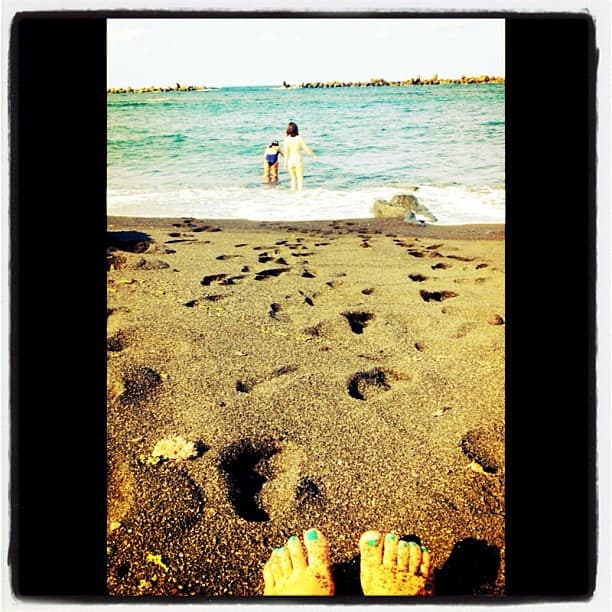
Counting the wavesβ¦
Aogashima Coastal Beach is less a beach in the conventional sense and more a dramatic interface between a volcanic island and the boundless Pacific. This isn't a place for sunbathing on soft sand, but for witnessing the sheer, unadulterated power of nature. The coastline is characterized by dark, imposing cliffs that plunge directly into the deep blue, a stark and breathtaking landscape forged by millennia of volcanic activity. Access to this remote stretch is an adventure in itself, hinting at the profound isolation that defines Aogashima. Once there, you're enveloped by an atmosphere of profound tranquility and awe. The air is fresh, carrying the scent of salt and earth, and the only sounds are the rhythmic crash of waves against the rocks and the cry of seabirds overhead. Itβs a place where you feel truly small against the vastness of the ocean and the grandeur of the island's geology. This coastal area offers a unique opportunity for introspection and a deep appreciation for the planet's raw beauty. Itβs for the intrepid traveler seeking an experience far removed from the ordinary, a place where the wild heart of the Izu Islands beats strongest. Aogashima Coastal Beach is not just a destination; it's an encounter with the sublime.
Places, rentals, tours and events within walking and driving distance of Aogashima Coastal Beach.
Photos
Swimming at Aogashima's rocky coastline requires extreme caution and is generally not recommended for casual visitors. The volcanic island's rugged shores feature steep cliffs, sharp rocks, and powerful currents with limited safe entry points. There are no lifeguards or developed swimming areas. Ocean conditions can be unpredictable and dangerous, with strong waves and currents. The island's remoteness means emergency services are extremely limited. Most visitors appreciate the coastal scenery from viewpoints rather than entering the water. If you must swim, consult local residents about conditions and never go alone.
Aogashima is naturally uncrowded year-round due to its extreme remoteness and limited access, with a resident population under 200. Any time you visit, you'll encounter minimal tourism. Weather is generally more stable during spring and autumn, though access can be disrupted anytime due to sea conditions or fog. Summer offers warmer temperatures but is typhoon season. Winter brings cooler weather and rougher seas. The biggest challenge isn't crowds but rather getting there, as ferry and helicopter services are frequently cancelled due to weather, requiring flexible travel plans and backup days.
Reaching Aogashima is challenging and requires careful planning. From Tokyo, first travel to Hachijojima by flight or ferry. From Hachijojima, access Aogashima via small helicopter (daily service, weather permitting, approximately 20 minutes) or ferry (irregular schedule, 2-3 times weekly when conditions allow, about 2.5 hours). Both options are frequently cancelled due to weather or sea conditions. Helicopter seats are limited and must be booked well in advance. Ferry service is less reliable but cheaper. Always plan several buffer days and have contingency plans, as you may be stranded if weather deteriorates.
Aogashima offers extremely limited accommodation options, typically a couple of small guesthouses or minshukus that must be booked well in advance. Facilities are basic and reflect the island's remote, simple lifestyle. Meals are usually provided by your accommodation, as restaurant options are minimal to non-existent. A small shop sells basic supplies, but selection is limited. Bring any specific items you need from Hachijojima or Tokyo. The island has no ATMs, so bring sufficient cash. Expect a rustic, authentic experience focused on nature and isolation rather than modern amenities.
Aogashima's coastal beaches are unique due to the island's status as an active volcanic double-caldera, one of the world's most remote inhabited volcanic islands. The coastline features raw, untouched volcanic landscapes with dramatic cliffs, black rocks, and rugged terrain shaped by lava flows. The island's extreme isolation creates an atmosphere unlike anywhere else in Japan, offering a genuine sense of adventure and exploration. The coastal views showcase the volcanic island's geological drama against the Pacific Ocean. This destination appeals to adventurous travelers seeking authentic, off-the-grid experiences and pristine natural environments untouched by mass tourism.