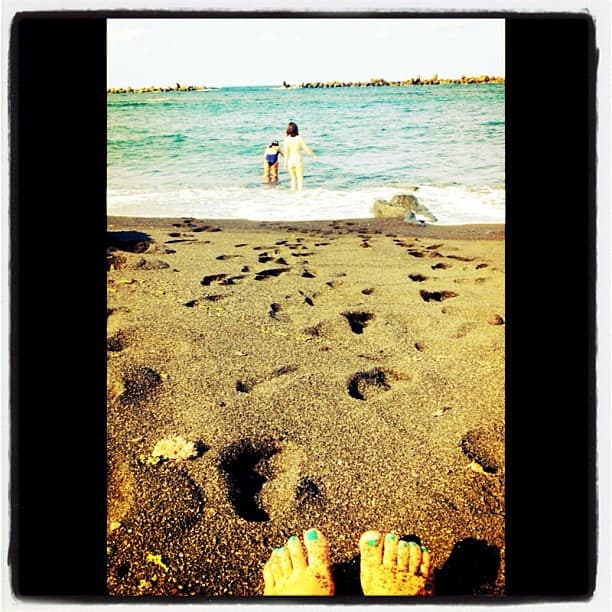
Counting the wavesβ¦
Nagahama Beach offers a powerful, untamed beauty that speaks to Hachijojimaβs volcanic heart. Unlike soft sandy beaches, Nagahama is defined by its dark, imposing rock formations, sculpted by ancient lava flows and continuously reshaped by the ocean's relentless force. The air here is charged with the energy of the crashing waves, a constant symphony against the rugged shore. While swimming might be challenging due to the rocky terrain and strong currents, Nagahama excels as a viewing point. It's a photographer's dream, especially during the golden hour. As the sun begins its descent, the sky transforms into a canvas of oranges, purples, and deep reds, casting a dramatic glow over the dark rocks and the vast expanse of the Pacific. The interplay of light and shadow creates an ever-changing spectacle. This is a place for contemplation, for feeling the raw power of nature, and for witnessing the island's dramatic beauty unfold. Whether you're seeking a quiet moment of reflection or a breathtaking photographic opportunity, Nagahama Beach delivers an unforgettable experience, particularly as day transitions into a spectacular night.
Places, rentals, tours and events within walking and driving distance of Nagahama Beach (Hachijojima).
Photos
Swimming at Nagahama Beach requires caution due to its rocky coastline and potentially strong currents. The beach is better suited for wading and tidepool exploration rather than serious swimming. Waves can be powerful, especially during rough weather, and the rocky terrain makes entering the water challenging. Always check local conditions before visiting, avoid swimming alone, and be mindful of your footing on slippery rocks. Many visitors prefer to enjoy the dramatic coastal scenery rather than swim.
Nagahama Beach is renowned for spectacular sunset views year-round, making any season suitable for visiting. Summer months (June to August) offer warmer weather and longer daylight hours, while spring and autumn provide milder temperatures and clearer skies. Winter sunsets can be equally dramatic but expect cooler conditions. The beach's western exposure makes it ideal for evening visits. Arrive at least 30 minutes before sunset to secure a good viewing spot and watch the sky transform over the Pacific Ocean.
Reaching Nagahama Beach requires first traveling to Hachijojima island, accessible by flight from Tokyo's Haneda Airport (approximately 55 minutes) or ferry from Tokyo (10+ hours overnight). Once on the island, rental cars, bicycles, or local buses are available for transportation. The beach is located along the island's western coast. Car rental is recommended for flexibility, as public transport may be limited. Roads on Hachijojima are generally well-maintained but can be narrow and winding in coastal areas.
Hachijojima offers various accommodation options including hotels, ryokans, guesthouses, and minshukus (family-run inns), though not directly beachfront at Nagahama. Most lodging is concentrated in the main settlements around the island. Restaurants and shops are available in these town areas, serving fresh local seafood and traditional Japanese cuisine. Since facilities aren't immediately adjacent to Nagahama Beach, plan to bring water and snacks for your visit. The island's small size makes most accommodations reasonably accessible to the beach.
Nagahama Beach stands out for its dramatic volcanic rocky coastline and position on remote Hachijojima island, part of the Izu archipelago administered by Tokyo yet feeling worlds apart. The beach offers raw, unspoiled scenery with black volcanic rocks contrasting against ocean waves, creating a distinctly different atmosphere from typical sandy beaches. Its relatively undiscovered status means fewer crowds and an authentic, peaceful experience. The combination of sunset views, volcanic landscapes, and island remoteness makes it appealing for photographers and travelers seeking off-the-beaten-path destinations.