Counting the wavesβ¦
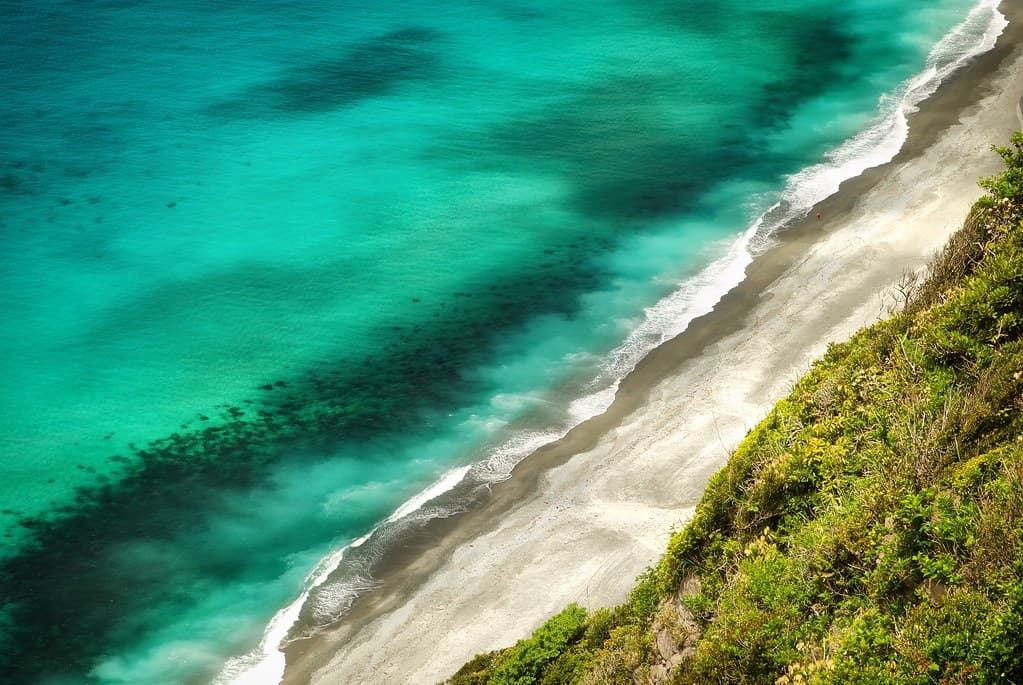
Wakago Beach on Niijima is a testament to the island's raw, untamed beauty, a striking contrast to its more famous white sand beaches. This less-visited rocky coast is a landscape sculpted by the elements, where dark volcanic rock formations jut dramatically into the deep blue Pacific. The air here is fresh and invigorating, carrying the scent of salt and the sound of waves crashing against the shore. Exploring Wakago is an adventure in itself. You'll discover hidden tide pools teeming with small marine life, unique rock patterns carved by centuries of erosion, and panoramic views that stretch across the vast ocean. Itβs a place where every turn reveals a new perspective, a new detail in nature's intricate design. The sense of solitude and connection to the wild is profound. While not a spot for sunbathing or swimming, Wakago Beach offers a powerful experience for those who appreciate dramatic scenery and a strong sense of place. Come to hike, to photograph, and to simply absorb the unique, rugged character that makes this corner of Niijima so unforgettable.
Places, rentals, tours and events within walking and driving distance of Wakago Beach.
Photos
Wakago Beach's rocky coastline makes it less ideal for traditional swimming compared to sandy beaches. The area features dramatic rock formations and uneven surfaces that can be challenging to navigate. Strong currents and waves are common along this exposed coast, making swimming potentially hazardous for inexperienced swimmers. Some visitors do swim here during calm conditions, but it requires caution and strong swimming skills. The rocky terrain is better suited for tide pooling, photography, and coastal walks. Always assess conditions carefully and prioritize safety over swimming at this scenic but rugged location.
Wakago Beach can be visited year-round for its scenic coastal views and natural character, making it unique among seasonal beaches. Summer months (June-September) offer the warmest weather for exploring the rocky shore and tide pools. Spring and autumn provide comfortable temperatures and dramatic light for photography enthusiasts. Winter visits can be rewarding for those seeking solitude and powerful ocean displays, though weather can be unpredictable. Early morning and late afternoon light enhance the volcanic rock formations beautifully. Since swimming isn't the main draw, you're not limited to traditional beach season.
Reach Niijima by ferry from Tokyo's Takeshiba Terminal, with high-speed services taking around 2.5 hours or overnight ferries taking 8-10 hours. Small aircraft also fly from Chofu Airport. Once on the island, rent a bicycle, scooter, or car from outlets near the port, as Niijima is larger than neighboring islands. Wakago Beach is accessible by road, though exact directions should be confirmed locally. The island has better transport infrastructure than smaller Izu Islands, but advance planning is still recommended. Check ferry schedules carefully, especially during off-peak seasons.
Niijima offers more accommodation options than smaller Izu Islands, including minshuku guesthouses, hotels, and campgrounds, primarily near the port and main village areas. Book ahead during summer months and Japanese holidays. Several restaurants serve fresh seafood and local cuisine, with some specializing in island-caught fish. A supermarket and convenience stores provide supplies for self-catering. Since Wakago Beach lacks on-site facilities, pack food, water, and supplies for your visit. Many accommodations offer meal plans, which can be convenient given limited dining options.
Wakago Beach stands out for its raw, untamed natural character defined by volcanic rock formations and dramatic coastal scenery rather than swimming amenities. The rugged landscape offers a stark contrast to typical beach experiences, appealing to photographers and nature enthusiasts seeking authentic geological beauty. Its less-visited status means you can experience the power of the Pacific Ocean in relative solitude. The rocky terrain creates interesting tide pools and textures that showcase the island's volcanic origins. This beach rewards those seeking atmosphere and natural drama over conventional beach activities.